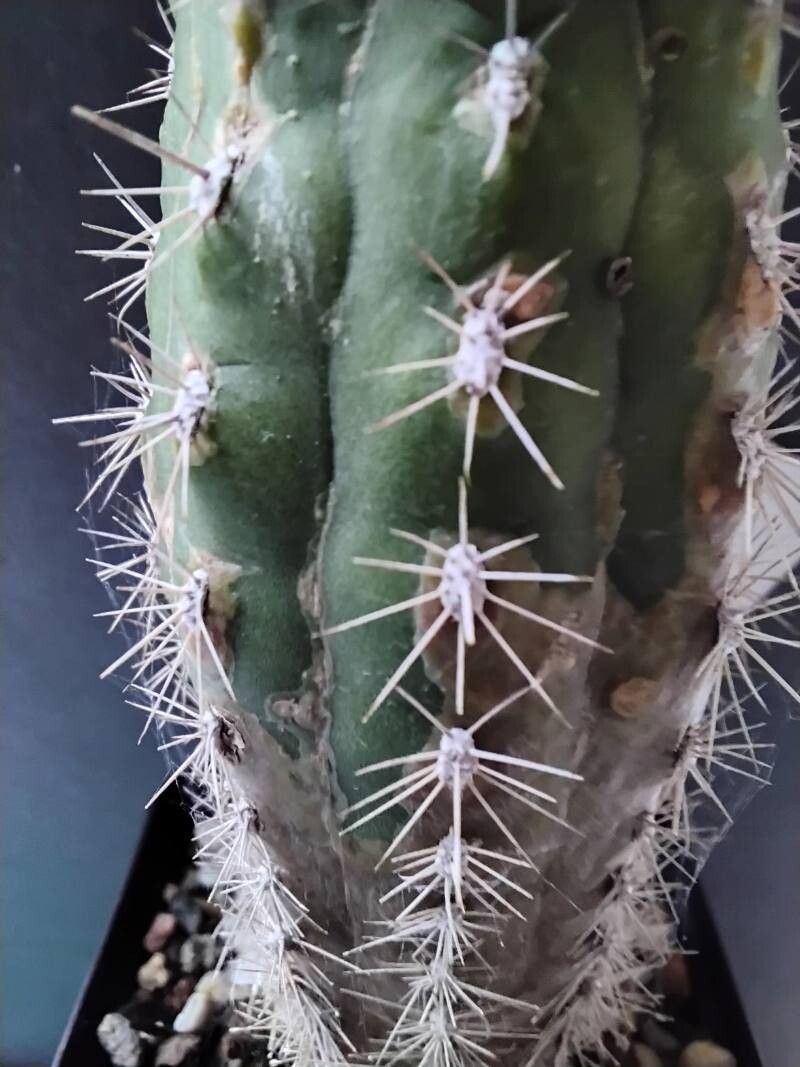
Oh, Borzicactus fieldianus! What a treat you are. Those fuzzy, golden spines just shimmer, don’t they? I’ve had this cactus gracing my conservatory for years, and every time I see a new offset pop up, it feels like a small victory. If you’re looking to expand your cactus collection or share this beauty with friends, propagating it is a truly satisfying endeavor. And guess what? It’s quite forgiving, even for those of you just starting out on your plant parent journey.
When’s the Best Time to Get Started?
My favorite time to dive into propagation is during the active growing season. For most cacti, this means late spring through summer. You’ll notice your Borzicactus fieldianus really taking off during these warmer months, and that energy is exactly what we want when encouraging new roots. Trying to propagate when the plant is dormant in winter is like asking it to run a marathon on an empty stomach – not ideal!
What You’ll Need to Gather
Don’t be intimidated by the list; it’s all pretty straightforward stuff you might already have for other plants.
- Sharp Pruning Shears or a Clean Knife: For making clean cuts. Sterilize them with rubbing alcohol before and after use.
- Well-Draining Potting Mix: A cactus or succulent mix is perfect. You can also make your own by combining potting soil with perlite or pumice (about a 50/50 ratio).
- Terra Cotta Pots: These breathe well, which is great for cacti. Make sure they have drainage holes.
- Rooting Hormone (Optional but Recommended): A good quality powder or gel can give your cuttings a little boost.
- Gloves: Those fuzzy spines can be surprisingly pokey!
- Newspaper or Thick Paper: To handle the cactus segments gently.
- A Spray Bottle: For occasional misting.
Let’s Get Propagating!
The most common and successful way to propagate Borzicactus fieldianus is by taking stem cuttings or propagating from offsets.
Stem Cuttings:
- Locate a Healthy Segment: Look for a side shoot or a mature stem that seems ready to be separated. It should be firm and free of any signs of rot or damage.
- Make the Cut: Using your sterilized shears or knife, make a clean cut. Handle the cactus carefully, perhaps by wrapping it in newspaper to get a good grip.
- Allow it to Callus: This is crucial! Place the cutting in a dry, airy spot away from direct sunlight for a few days to a week. You want the cut end to dry out and form a protective callus. This prevents rot when you plant it.
- Plant the Cutting: Once callused, you can plant the cutting. Stick about an inch or two of the callused end into your well-draining potting mix. Don’t bury it too deep.
- Water Sparingly: Wait about a week after planting before your first light watering. You’re encouraging roots, not drowning the stem.
Offsets (Pups):
Borzicactus fieldianus often produces little offsets around its base. These are essentially baby cacti!
- Identify an Offset: Look for a small plantlet growing from the side or base of the parent plant.
- Gently Detach: Using your sterilized knife, carefully separate the offset from the parent plant, trying to keep as much of its base intact as possible. You might need to gently dig around it.
- Callus Time: Just like stem cuttings, let the detached offset sit in a dry, sunny spot for a few days to a week to callus.
- Potting Up: Plant the callused offset into its own small pot with your cactus mix. Again, don’t bury it too deeply – just enough for it to stand upright.
- Watering: Similar to cuttings, wait a week before watering lightly.
The “Secret Sauce”: My Insider Tips
- Embrace the Dry Spell: Cacti are masters of drought, and so should their cuttings be! Resist the urge to overwater. Let the soil dry out completely between waterings, especially in the early stages. It’s better to underwater a little than to drown a new cutting.
- A Little Warmth Goes a Long Way: While not strictly necessary, placing your potted cuttings on a heat mat designed for seedlings can significantly speed up root development. Just make sure the mat isn’t too hot – a gentle warmth is all we need.
- Don’t Be Afraid to Prune for Health: If you’re taking a cutting from an older stem and it seems a bit gnarly, don’t hesitate to trim it back to a healthier section before letting it callus. Sometimes starting with the freshest, greenest part of the stem yields the best results.
Aftercare and What to Watch For
Once your cuttings or offsets have started to show signs of rooting – you might see a little new growth or feel a gentle tug when you very lightly try to move it – you can gradually increase watering. Continue to let the soil dry out completely between waterings.
The biggest enemy of new cactus propagations is rot. If you see your cutting becoming soft, mushy, or discolored, it’s likely developed rot. This is usually due to too much moisture. If you catch it early, you might be able to cut away the rotted part and let the healthy section callus again. But if it’s widespread, it’s sadly a loss. Overwatering is the usual culprit, so remember: dry is good, soggy is bad!
Go On, Give it a Try!
Propagating your Borzicactus fieldianus is a lovely way to connect with your plants and enjoy watching new life emerge. Be patient, trust the process, and don’t be discouraged if your first attempt isn’t a runaway success. Every gardener, myself included, has learned through a bit of trial and error. Enjoy the journey, and soon you’ll have even more of those golden beauties to admire!
Resource: