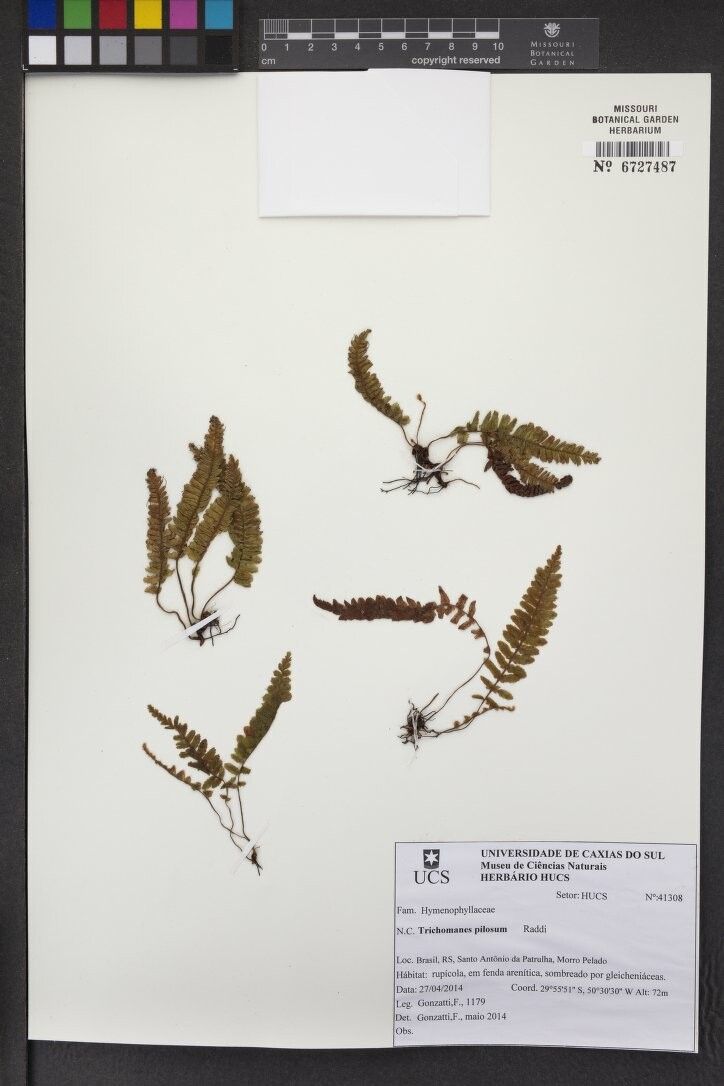
Hey there, fellow plant enthusiasts! Today, we’re diving into the delightful world of Trichomanes pilosum, often called the Bristly Filmy Fern. If you’ve seen this unique fern gracing a terrarium or a shaded corner, you know its appeal. Those delicate fronds, sometimes with a whisper of fuzz, bring an almost ethereal quality to any space. And let me tell you, successfully propagating this beauty is incredibly rewarding. It’s not the easiest plant for absolute beginners, but with a little patience and the right approach, you’ll be amazed at how quickly you can fill your home with these charming ferns.
The Best Time to Start
For Trichomanes pilosum, I find that spring and early summer are your golden ticket. This is when the plant is actively growing and has the most energy to invest in new life. Starting around March or April, just as you see new fronds unfurling, gives your cuttings or divisions the longest growing season to establish themselves before cooler weather arrives.
Supplies You’ll Need
Gathering your tools beforehand makes the whole process so much smoother. Here’s what I always have on hand:
- Sharp, sterile pruning shears or a clean razor blade: For making clean cuts.
- A well-draining, airy potting mix: I like a blend of peat moss, perlite, and a little orchid bark. Think of what a humid, forest floor would feel like – damp but not waterlogged.
- Small pots or propagation trays: Terracotta is great for allowing excess moisture to evaporate.
- Clear plastic bags or a propagator lid: To maintain high humidity.
- Watering can with a fine rose or spray bottle: For gentle watering.
- (Optional) Rooting hormone: While not always strictly necessary for Trichomanes pilosum, a gentle rooting hormone can give an extra boost.
Propagation Methods
Trichomanes pilosum is best propagated through division or stem cuttings. Division is often the most successful for this fern.
Division Method
- Gently extract the plant: Carefully remove your Trichomanes pilosum from its pot. You might need to gently loosen the soil around the edges.
- Inspect the root ball: Look for natural divisions. These are where the rhizomes (the creeping stems) have branched off, with their own set of fronds and roots.
- Make the division: Using your sterile shears or a clean knife, carefully separate a healthy section. Aim for a piece with both good fronds and a decent amount of root mass. Don’t be afraid to tease apart the roots gently if needed.
- Pot up the new divisions: Plant each division in its own small pot filled with your prepared potting mix. Ensure the crown (where the fronds emerge from the roots) is at soil level.
- Water gently: Give them a good, but not soaking, watering.
Stem Cuttings Method
This one is a bit trickier, and I often have better luck with division, but it’s certainly worth a try!
- Select a healthy stem: Look for a vigorous stem with a few healthy fronds. You want a piece that’s not too young and tender, but also not woody and old.
- Make the cut: Using your sterile shears, cut a piece of the stem about 2-3 inches long, ensuring it includes at least two fronds and some part of the rhizome.
- Prepare the cutting: You can lightly dust the cut end with rooting hormone if you’re using it, but it’s often not critical.
- Plant in propagation mix: Insert the cut end into your moist, airy potting mix. You can gently firm the mix around it. Make sure the fronds aren’t touching the surface of the soil.
The “Secret Sauce” (Pro Tips)
Over the years, I’ve learned a few things that really seem to make a difference with these moisture-loving ferns.
- Humidity is King (and Queen!): Trichomanes pilosum absolutely demands high humidity to thrive, especially when propagating. Once you’ve potted up your divisions or cuttings, cover them completely with a clear plastic bag or place them in a propagator. If using a bag, make sure it doesn’t touch the foliage too much, or you risk rot. Vent the bag daily for a few minutes to prevent stale air.
- Bottom Heat is Your Friend: If you have the option, placing your pots on a gentle heat mat can significantly speed up root development. We’re talking a mild warmth, not hot. This mimics the cozy conditions of tropical undergrowth and encourages those roots to get moving.
- Light, but Not Direct Light: These ferns love bright, indirect light. Think of a bright window that doesn’t get any direct sunbeams, or a shaded spot under a larger plant. Too much sun will scorch those delicate fronds on your new propagations.
Aftercare & Troubleshooting
Once your new Trichomanes pilosum shows signs of growth – often a new frond unfurling – you know it’s started to establish roots.
- Gradual Acclimation: Once you see healthy new growth, gradually begin to acclimate your plant to lower humidity. Start by removing the plastic bag or propagator lid for increasing periods each day over a week or two.
- Maintain Moisture: Continue to keep the potting mix consistently moist, but never soggy. Water when the top of the soil starts to feel dry to the touch.
- Watch for Rot: The most common sign of failure is rot. If you see fronds turning black and mushy, or the rhizome looks dark and soft, it’s usually a sign of too much moisture and not enough air circulation. In this case, you might need to check your watering habits and ensure good drainage. You can sometimes salvage a healthy part of the rhizome if rot hasn’t taken hold completely.
A Encouraging Closing
Propagating Trichomanes pilosum is a journey, not a race. There will be times when things don’t go as planned, and that’s perfectly okay. The key is to observe your plant, learn from each experience, and keep trying. Enjoy the process of nurturing these delicate ferns, and soon you’ll have a miniature jungle to admire. Happy growing!
Resource:
https://identify.plantnet.org/k-world-flora/species/Trichomanes%20pilosum%20Raddi/data