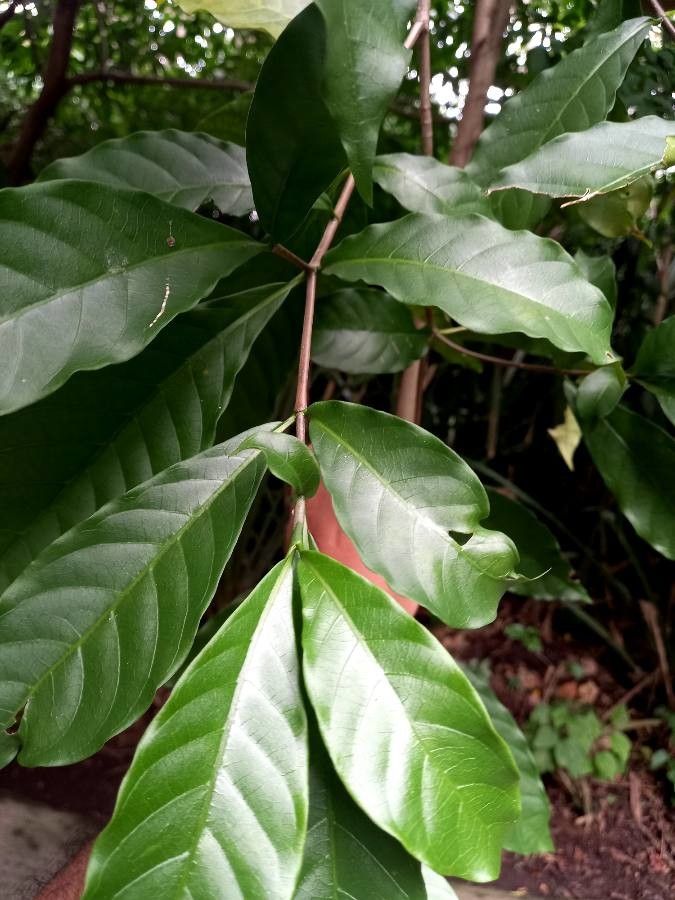
Oh, hello there, fellow plant lover! Pull up a chair, let’s chat about a truly special bloom: Tabernaemontana donnell-smithii. You might know it by its common names, like the giant pinwheel flower or, more poetically, the “moonflower.” Its creamy white, fragrant blossoms unfurl dramatically, often in the evening, filling the air with a sweet perfume. It’s a real showstopper in any collection.
Propagating these beauties can feel a bit like unlocking a garden secret, and it’s incredibly rewarding to see your own little piece of this magnificent plant thrive. Now, for those of you just starting out, I won’t sugarcoat it – Tabernaemontana donnell-smithii can be a touch more temperamental than, say, a pothos. But don’t let that deter you! With a little patience and the right approach, you can absolutely succeed.
The Best Time to Start
For the highest chance of success, I always recommend starting your propagation efforts in late spring or early summer. This is when the plant is actively growing, buzzing with energy. You’ll want to take cuttings from healthy, vigorous stems that aren’t flowering. Think of it as borrowing a bit of that youthful exuberance to start a new life.
Supplies You’ll Need
Gathering the right tools makes all the difference. Here’s what I keep handy:
- Sharp Pruning Shears or a Clean Knife: For making precise cuts.
- Rooting Hormone: A good quality rooting powder or gel makes a big difference for woody cuttings.
- Well-Draining Potting Mix: I often use a blend of equal parts peat moss or coco coir and perlite or coarse sand.
- Small Pots or Seedling Trays: With drainage holes, of course!
- Plastic Bags or a Propagation Dome: To create a humid environment.
- Watering Can or Spray Bottle: For gentle watering.
- Optional: Bottom Heat Mat: This can significantly speed up root development.
Propagation Methods
Let’s dive into the most reliable ways to get new Tabernaemontana donnell-smithii plants.
Stem Cuttings
This is my go-to method for this plant.
- Select Healthy Stems: Look for stems that are mature but not woody. They should be about 4-6 inches long and have at least two sets of leaves.
- Make the Cut: Using your sharp shears or knife, make a clean cut just below a leaf node. This is where the plant hormones are concentrated, and roots are most likely to form.
- Prepare the Cutting: Gently remove the lower leaves, leaving just two or three at the top. This prevents them from rotting in the soil. If the remaining leaves are very large, you can even cut them in half to reduce water loss.
- Apply Rooting Hormone: Dip the cut end of the stem into your rooting hormone, tapping off any excess.
- Plant Your Cutting: Stick the prepared end into your well-draining potting mix. Gently firm the soil around it.
- Create Humidity: Water the soil lightly and then cover the pot with a plastic bag secured with a rubber band, or place it under a propagation dome. Ensure the leaves don’t touch the sides of the bag if possible – this can lead to rot.
- Provide Light and Warmth: Place the pot in a bright spot with indirect sunlight. If you have a bottom heat mat, now’s the time to use it! Aim for a consistent temperature around 70-75°F (21-24°C).
Water Propagation (With Caution)
While I generally lean towards soil for woody cuttings like this, water propagation can work for softer stems.
- Prepare the Cutting: Follow steps 1-3 for stem cuttings.
- Place in Water: Put the prepared cuttings in a clean jar or vase of lukewarm water. Make sure only the submerged part of the stem is in the water. Crucially, ensure no leaves are submerged.
- Change Water Regularly: Change the water every 2-3 days to keep it fresh and prevent bacterial growth.
- Wait for Roots: You’ll start to see white nubs appear at the leaf nodes. Once these roots are about an inch long, it’s time to transplant them into soil.
The “Secret Sauce” (Pro Tips)
Here are a couple of things I’ve learned over the years that can really boost your success:
- Bottom Heat is Your Friend: Seriously, it’s a game-changer. For woody cuttings, providing consistent, gentle warmth from below will convince those roots to form much faster than they would otherwise. It mimics what happens naturally in spring.
- Don’t Overwater! This is where many beginners stumble. The goal is consistently moist, not soggy. Overwatering is the fastest way to invite rot, which is the enemy of any cutting. Feel the soil; if it feels damp, hold off on watering.
- Sterilize Everything: Before you start, make sure your tools and pots are clean. A quick rinse with soapy water or even a diluted bleach solution can prevent diseases from hitching a ride on your cuttings.
Aftercare & Troubleshooting
Once you see signs of new growth – tiny leaves unfurling or a good root system developing – it’s time for a different kind of care.
- Acclimatize Your Cuttings: Gradually remove the plastic bag or propagation dome over a few days to help your new plant adjust to normal humidity levels.
- Transplant Gently: When the roots are well-developed, carefully transplant your new plant into a slightly larger pot with your well-draining potting mix. Handle the root ball as little as possible.
- Watering: Water thoroughly after transplanting, then allow the top inch of soil to dry out between waterings. Continue to provide good light and warmth.
Common Problems:
- Rotting Stems: This usually indicates too much moisture and not enough airflow. If you see mushy, black stems, unfortunately, that cutting is likely lost. Make sure your soil is airy and be very careful with your watering.
- Wilting: A bit of initial wilting is normal as the cutting establishes. However, if it persists and the leaves look limp, it might be a sign that the cutting isn’t rooting or is too dry. Check the soil moisture and humidity.
A Little Encouragement
Propagating plants is an act of faith, really. It takes patience, observation, and a willingness to learn. Don’t get discouraged if your first few attempts don’t pan out perfectly. Each time, you’ll gain a little more insight. Enjoy the process, celebrate the little victories, and soon you’ll be sharing your own beautiful Tabernaemontana donnell-smithii with friends! Happy propagating!
Resource:
https://identify.plantnet.org/k-world-flora/species/Tabernaemontana%20donnell-smithii%20Rose/data