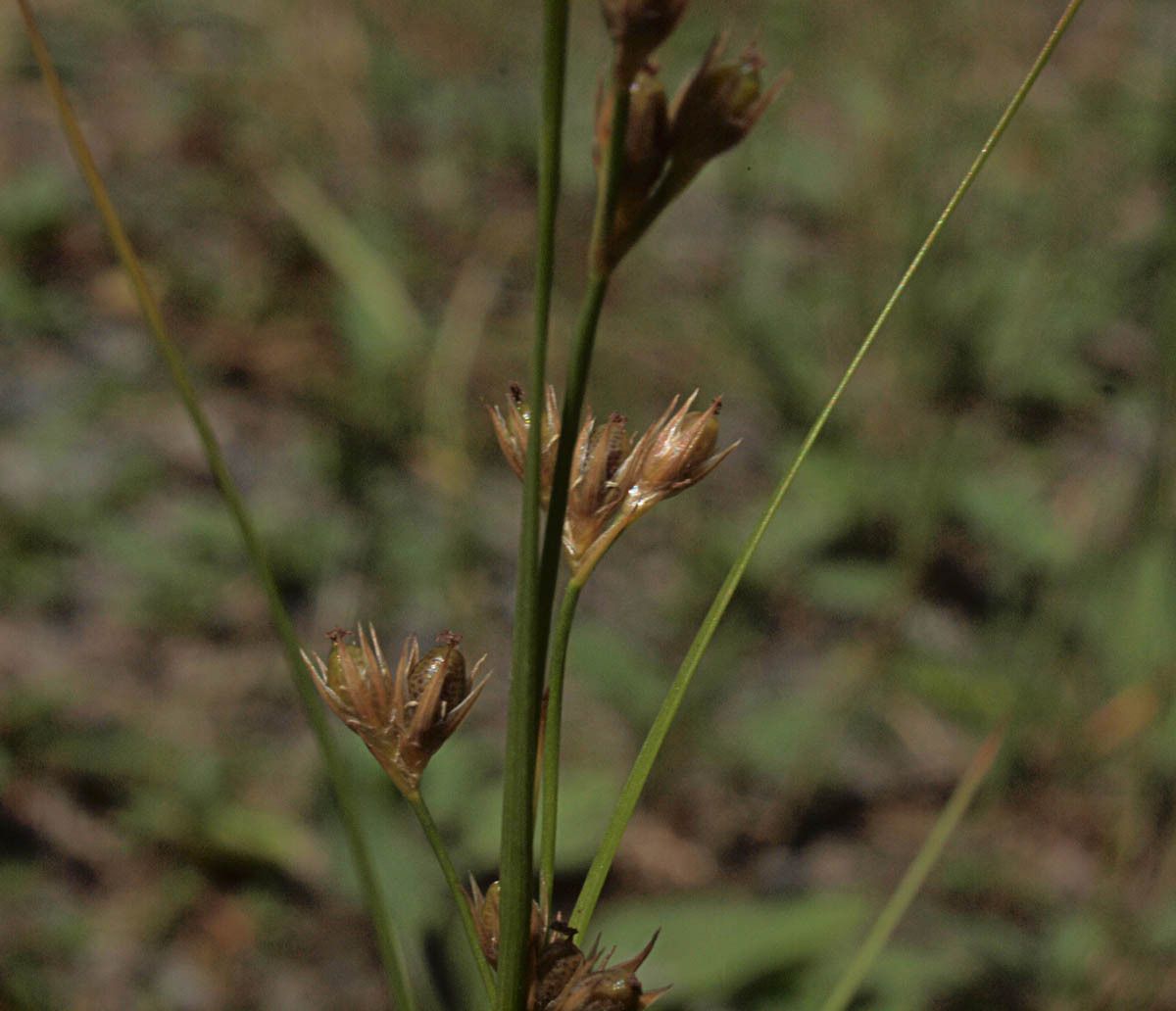
Hello fellow garden enthusiasts! Today, I want to chat about a plant that brings a touch of subtle magic to any space: Juncus covillei, also known as the Rush. Its graceful, upright form and architectural presence make it a favorite of mine for both the garden and indoor pots. And the best part? It’s surprisingly rewarding to propagate! If you’re looking for a project that’s a little different, something that feels truly earned, you’re in the right place. Now, is it for absolute beginners? I’d say it leans towards the intermediate gardener, but with a little patience and these tips, you absolutely can do it.
The Best Time to Start
When it comes to Juncus covillei, spring is your golden ticket. Think of it as the plant waking up from its winter slumber. This is when its growth is most vigorous, and any new cuttings or divisions will have the best chance of taking hold. Aim for when you see new shoots actively emerging, usually after the last frost.
Supplies You’ll Need
Here’s what I always have on hand:
- Sharp Pruning Shears or a Clean Knife: For taking clean cuts.
- Well-Draining Potting Mix: A good blend of peat moss, perlite, and coarse sand works wonders. You can also find specialized succulent or cactus mixes.
- Small Pots or Seed Trays: Clean ones, please!
- Rooting Hormone (Optional but Recommended): A powder or gel to give your cuttings a boost.
- Watering Can with a Fine Rose: For gentle watering.
- Clear Plastic Bags or a Propagation Dome: To maintain humidity.
- Labels and a Marker: So you don’t forget what you’ve potted!
Propagation Methods
Juncus covillei is best propagated through division, which is like giving your plant a little haircut and getting a whole new plant from what you remove.
Division in Spring
This is my go-to method for this lovely rush.
- Gently Remove the Plant: When your Juncus covillei is actively growing in spring, carefully lift the entire plant from its pot or the garden bed. Be gentle with the roots.
- Inspect the Root Ball: You’ll see that Juncus covillei grows in clumps or rhizomes. Look for natural divisions where the plant seems to be naturally splitting.
- Divide the Plant: Using your clean pruning shears or a sharp knife, carefully separate a section of the plant. You want each division to have a healthy portion of roots and at least one or two healthy shoots or stems. Don’t be afraid to use a little force if needed, but try to keep the root system as intact as possible.
- Pot Up Your Divisions: Fill your clean pots with your well-draining potting mix. Make a small hole in the center and place your division in it. Cover the roots with soil, pressing down gently to secure it.
- Water Thoroughly: Give each new pot a good, initial watering to settle the soil around the roots.
The “Secret Sauce” (Pro Tips)
- Don’t Overcrowd: When you’re dividing, resist the urge to take too many small divisions. Larger divisions with ample root systems have a much higher success rate. It’s better to have a few strong new plants than many struggling ones.
- Embrace the Dormancy: If you’re dividing a plant that’s gone dormant or is in a slight lull, it might not be as enthusiastic. Wait for that first flush of new growth in spring for the liveliest divisions.
- Bottom Heat is Your Friend: While not strictly necessary, placing your newly potted divisions on a gentle heat mat can significantly speed up root development, especially if your springtime weather is still a bit cool. It mimics the warmth of the soil in a more established growing season.
Aftercare & Troubleshooting
Once your divisions are in their new pots, keep the soil consistently moist but not waterlogged. Think of it as a good, damp sponge. Place the pots in a location with bright, indirect light.
After a few weeks, you should start to see new growth. This is a great sign! You can gently tug on the plant – if there’s resistance, it means new roots have formed.
The most common issues you might encounter are rot (usually from overwatering, making the soil too wet and soggy) or the division simply drying out (which means it didn’t establish roots fast enough). If you see mushy stems or a general wilting that doesn’t recover with watering, it’s likely rot. If the leaves turn crispy and brown, it might be too dry. Adjust your watering accordingly!
A Little Patience Goes a Long Way
Propagating Juncus covillei is a beautiful way to expand your collection and really connect with your plants. Be patient, offer a little consistent care, and celebrate those tiny new signs of life. Happy propagating!
Resource:
https://identify.plantnet.org/k-world-flora/species/Juncus%20covillei%20Piper/data