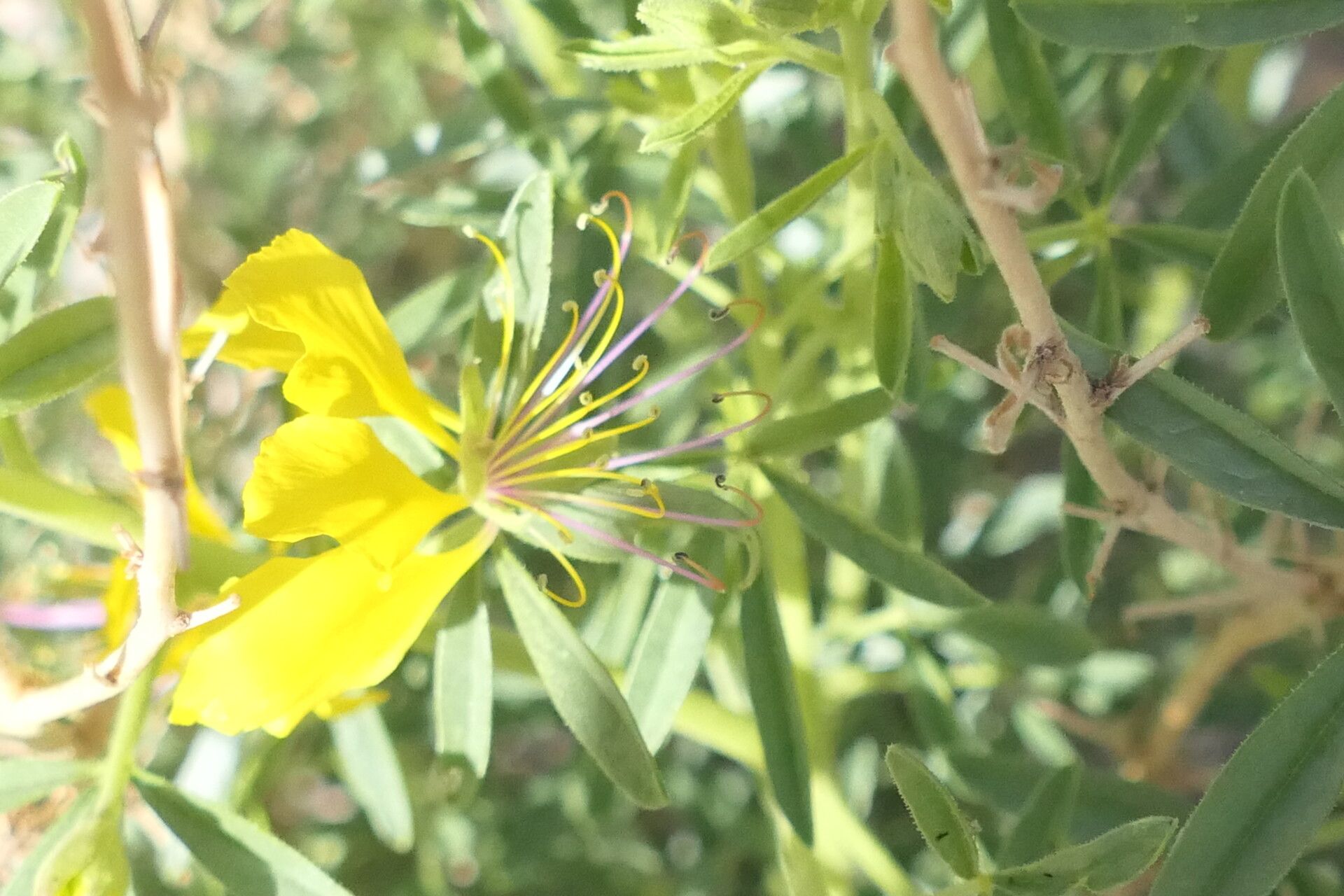
Hello fellow garden enthusiasts! Today, we’re diving into the enchanting world of Cleome suffruticosa, often called Spider Flower. If you’re looking for a plant that brings a touch of whimsical elegance to your garden, Cleome is it. With its delicate, airy blooms that dance in the breeze and unique, spidery appearance, it’s a real showstopper. And the best part? It’s surprisingly rewarding and quite achievable to propagate, even for those just starting their green-thumb journey!
The Best Time to Start
For Cleome suffruticosa, think of late spring or early summer as your prime window. This is when the plant is actively growing and has plenty of energy to put into developing new roots. Starting your propagation efforts when temperatures are consistently warm, but before the intense heat of mid-summer, gives your new babies the best chance to establish themselves.
Supplies You’ll Need
To get your Cleome propagation off to a great start, gather these essentials:
- Sharp pruning shears or a clean knife: For taking nice, clean cuts.
- Small pots or seed trays: With drainage holes, of course!
- A light, well-draining potting mix: I like to use a blend of peat moss and perlite, or a good quality seed-starting mix.
- Rooting hormone (optional but recommended): A powdered or liquid form can really boost your success rate.
- A watering can with a fine rose attachment: To avoid disturbing delicate cuttings.
- A plastic bag or propagation dome: To create a humid environment.
- Tweezers (small, pointed): For handling cuttings and removing fallen leaves.
Propagation Methods
Cleome suffruticosa is most readily propagated from stem cuttings. It’s straightforward and gives you a high success rate.
Stem Cuttings:
- Select a healthy mother plant: Look for stems that are not flowering yet, but are firm and actively growing.
- Take your cuttings: Using your sharp shears or knife, cut pieces of stem about 4-6 inches long. Make your cut just below a leaf node (where a leaf meets the stem). This is where the magic happens for root development!
- Prepare the cuttings: Gently remove the lower leaves, leaving just a couple of leaves at the very top. This prevents them from rotting in the soil. If your cuttings are long, you can even trim the remaining top leaves in half to reduce water loss.
- Apply rooting hormone: Dip the cut end of each stem into your rooting hormone, tapping off any excess.
- Plant the cuttings: Fill your small pots with your prepared potting mix. Make a small hole with your finger or a pencil, and gently insert the cuttings, ensuring the nodes where you removed the leaves are below the soil surface. Firm the soil gently around the base of the cutting.
- Water and cover: Water thoroughly until you see water drain from the bottom of the pot. Then, cover the pot with a plastic bag or place it in a propagation dome. This creates that essential humid microclimate.
The “Secret Sauce” (Pro Tips)
You know, after years of playing in the dirt, you pick up a few tricks! Here are a couple of my go-to tips for Cleome cuttings:
- Bottom Heat is Your Friend: If you have a propagation mat or can place your pots on a warm windowsill (but not scorched hot!), gentle bottom heat makes a world of difference for root development. It encourages those roots to start forming much more readily.
- Don’t Let Leaves Touch Water (If Using Water Propagation): While I primarily recommend soil cuttings for Cleome, if you do try rooting in water (which is more challenging with this plant), it’s crucial that no leaves are submerged. Any submerged foliage will quickly rot and can take the whole cutting down with it.
Aftercare & Troubleshooting
Once your cuttings are in their pots and covered, their needs are simple:
- Light: Place them in a bright location but out of direct, scorching sunlight. A sunny window or a spot under grow lights works well.
- Watering: Keep the soil consistently moist but not waterlogged. Lift the plastic bag occasionally to let in fresh air and check the moisture.
- Rooting Time: Be patient! Cleome cuttings can take anywhere from 2-6 weeks to develop a good root system. You’ll know they’re ready when you see new leaf growth or feel resistance when you gently tug on the stem.
Troubleshooting: If your cuttings start to turn yellow and wilt, it could be a sign of too much water and not enough air circulation. If they turn mushy and black at the base, that’s rot, usually caused by too much moisture and not enough drainage. In this case, it’s usually best to discard the affected cutting and try again, ensuring better drainage and air flow next time.
A Little Patience Goes a Long Way
Propagating Cleome suffruticosa is a wonderful way to expand your garden and share these delightful plants with friends. Don’t get discouraged if not every cutting takes – it’s all part of the learning process! Just keep trying, observe your plants, and you’ll soon be surrounded by a beautiful array of your own Spider Flowers. Happy gardening!
Resource:
https://identify.plantnet.org/k-world-flora/species/Cleome%20suffruticosa%20Schinz/data