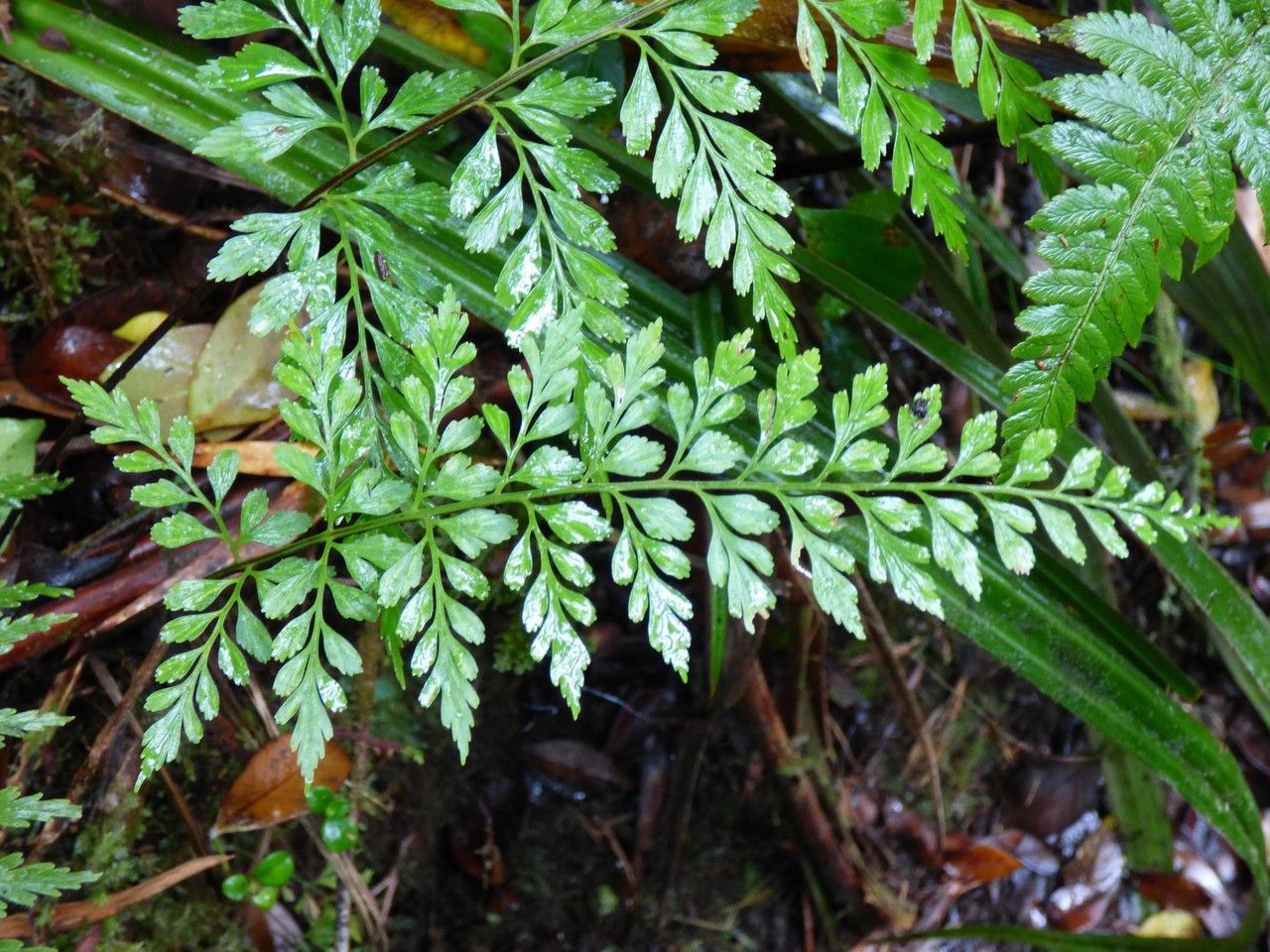
Hello, fellow plant enthusiasts! If you’re anything like me, you’ve probably fallen head over heels for the elegant, architectural beauty of Asplenium affine, also known as the Walking Fern. Its fronds, with their distinctive tapering tips, have a way of making any space feel a bit more lush and alive. And the best part? Growing more of these beauties is surprisingly straightforward, even for those just dipping their toes into the world of plant propagation. I find it incredibly rewarding to get a new plant from a piece of an existing one, and Asplenium affine is a fantastic plant to practice on.
The Best Time to Start
For the highest success rates with Asplenium affine, I always recommend spring or early summer. This is when the plant is actively putting on new growth after its winter rest. You’ll see plenty of healthy fronds and be able to easily identify suitable pieces for propagation. Trying to propagate when the plant is stressed or dormant can make things a bit trickier.
Supplies You’ll Need
Here’s what you’ll want to have on hand before you get started:
- Sharp pruning shears or a clean knife: For making precise cuts.
- Well-draining potting mix: A good mix formulated for ferns or a blend of peat moss, perlite, and a bit of compost works wonders.
- Small pots or propagation trays: Whatever you have that can hold your new plant.
- Clear plastic bags or a humidity dome: To maintain a humid environment.
- Rooting hormone (optional): While not strictly necessary for Asplenium affine, it can give your cuttings a little boost.
- Water: For misting and keeping things moist.
- A spray bottle: For gentle watering.
Propagation Methods
Asplenium affine is quite forgiving, and propagation is usually done through division. It’s the most common and easiest way to get new plants from established specimens.
Division
- Gently remove the parent plant from its pot.
- Inspect the root ball. You’re looking for distinct clumps or sections of the plant that have their own crowns (where the fronds emerge) and roots.
- Carefully tease apart the root ball with your fingers. If it’s a bit stubborn, use your clean knife or shears to gently slice through any matted roots, ensuring each division has a good amount of roots and at least one healthy frond.
- Pot up each division into its own small pot filled with your prepared potting mix.
- Water thoroughly after potting.
The “Secret Sauce” (Pro Tips)
Now, for a couple of little tricks I’ve learned over the years that can really make a difference:
- Don’t overdo the water right away. While humidity is key, soggy soil is the enemy of young roots. Water well initially, then let the top inch of soil dry out before watering again.
- Think about the mother plant. When you’re dividing, try not to take too much from any single parent plant. Give it a chance to recover and thrive. A healthy parent leads to healthy babies!
Aftercare & Troubleshooting
Once your divisions are potted up, place them in a bright spot with indirect light. They’ll really appreciate consistent moisture, so consider covering them with a clear plastic bag or placing them under a humidity dome. This creates a mini greenhouse effect, which is crucial for them to develop new roots. Mist them regularly – not to soak them, but to keep the humidity high.
The most common issue you might encounter is rot, which happens if the soil stays too wet for too long. If you notice fronds yellowing and feeling mushy at the base, it’s a sign your division is too damp. In this case, gently remove the affected part, allow the soil to dry out a bit more, and consider improving air circulation. Patience is key here! It can take several weeks for new roots to establish.
A Little Bit of Patience Goes a Long Way
So there you have it! Propagating Asplenium affine is a fulfilling way to expand your collection or share your love for these beautiful ferns with friends. Don’t be discouraged if your first attempt isn’t perfect. Gardening is all about learning and experimenting. Enjoy the process, celebrate each new little frond, and happy propagating!
Resource:
https://identify.plantnet.org/k-world-flora/species/Asplenium%20affine%20Sw./data