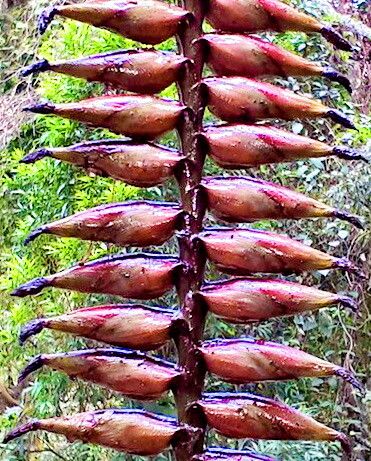
Hello, fellow plant enthusiasts! Today, we’re diving into the delightful world of Vriesea bituminosa, often called the “Tar Bromeliad.” If you’ve ever admired its striking, architectural form and that distinctive reddish-black hue that seems to shimmer, you’re not alone! Propagating this beauty is a truly rewarding experience, and while it might seem a little intimidating at first glance, I promise, with a few tips, you’ll be well on your way. It’s not the absolute easiest plant for a complete beginner to propagate, but it’s certainly achievable and incredibly satisfying.
The Best Time to Start
The best time to propagate Vriesea bituminosa is when the plant is actively growing. Think late spring or early summer. This is when the plant has plenty of energy to put into producing new offsets and establishing roots. You’re looking for a healthy, mature plant that has recently finished flowering or is beginning to produce pups (baby plants) at its base.
Supplies You’ll Need
Gathering your supplies beforehand makes the whole process so much smoother. Here’s what I always have on hand:
- Sharp, sterile pruning shears or a clean knife: For making clean cuts.
- Well-draining potting mix: A good bromeliad mix is ideal, but you can also create your own by mixing equal parts perlite, orchid bark, and peat moss.
- Small pots or containers: Just large enough for the new pup and its initial root system.
- Rooting hormone (optional but helpful): A powder or gel can give your cuttings an extra boost.
- Watering can or spray bottle: For gentle watering.
- Clear plastic bag or humidity dome: To maintain consistent moisture.
- Labels and a marker: So you don’t forget what you’ve propagated!
Propagation Methods
The most common and successful way to propagate Vriesea bituminosa is through division of pups. These wonderful plants naturally produce offsets, or pups, at their base.
- Identify the Pups: Look for smaller plants starting to grow around the base of your mature Vriesea bituminosa. Ideally, these pups should be at least a third to half the size of the mother plant and have started to develop their own roots.
- Gently Loosen the Soil: If the pup is really attached, gently loosen the soil around its base. You might need to carefully pull away some of the older, outer leaves of the mother plant to get a better view.
- Make the Cut: Using your sharp, sterile shears or knife, carefully cut the pup away from the mother plant. Try to get as much of the pup’s base, including any visible roots, as possible. If the pup has no visible roots yet, don’t worry, we can still encourage them.
- Allow to Callus (Optional but Recommended): For pups that have been cut with a good amount of base, I like to let them sit out for a day or two in a shady spot. This allows the cut end to callus over, forming a protective layer that can help prevent rot.
- Potting Up: Fill your small pot with your well-draining potting mix. If you’re using rooting hormone, dip the cut end of the pup into the hormone, tapping off any excess. Then, plant the pup in the center of the pot, firming the soil gently around its base. The base of the pup should be snug in the mix.
- Create a Humid Environment: Water the pot gently. Then, loosely cover the pot with a clear plastic bag or place it under a humidity dome. This will create a mini-greenhouse effect, keeping the humidity high, which is crucial for new root development.
The “Secret Sauce” (Pro Tips)
Here are a few tricks I’ve picked up over the years that make a big difference:
- Don’t Drown Your Pups: When watering, aim for the soil, not the central cup of the pup. While bromeliads are known for their water-holding cups, you don’t want stagnant water sitting around the cut base of a new pup, as this is a prime spot for rot to set in. Water thoroughly when the top inch of soil feels dry.
- Bottom Heat is Your Friend: If you have a heat mat designed for seedlings, place your potted pups on it. This gentle warmth from below encourages root growth significantly. It mimics the warm soil they’d encounter in their natural habitat.
- Patience with Pups with No Roots: If your pup didn’t have any roots when you separated it, don’t despair! Keep it in that humid environment and maintain consistent moisture. Sometimes, it just takes a little longer for them to decide to explore with new roots.
Aftercare & Troubleshooting
Once your pup is potted, keep it in bright, indirect light. Avoid direct sun, which can scorch those delicate new leaves. Continue to maintain that humid environment for the first few weeks.
You’ll know your pup is establishing when you see new leaf growth appearing from the center, or if you gently tug on it, you feel resistance – a sign of new roots gripping the soil.
The most common issue you might encounter is rot. This usually happens if the environment is too wet and lacks airflow. If you notice mushy, blackened stems or leaves that are yellowing and falling off, it’s likely rot. Unfortunately, you can’t always save a plant that’s rotting badly. Prevention is key, so ensure good drainage and don’t overwater. If caught early, you might be able to cut away the rotted bagian and try to reroot the healthy portion, but it’s a delicate surgery.
A Little Patience Goes a Long Way
Propagating Vriesea bituminosa is a journey, not a race. Enjoy the process of nurturing these new little plants. Watching them grow and develop is incredibly rewarding. Before you know it, you’ll have a whole collection of these stunning bromeliads to display or share! Happy propagating!
Resource:
https://identify.plantnet.org/k-world-flora/species/Vriesea%20bituminosa%20Wawra/data