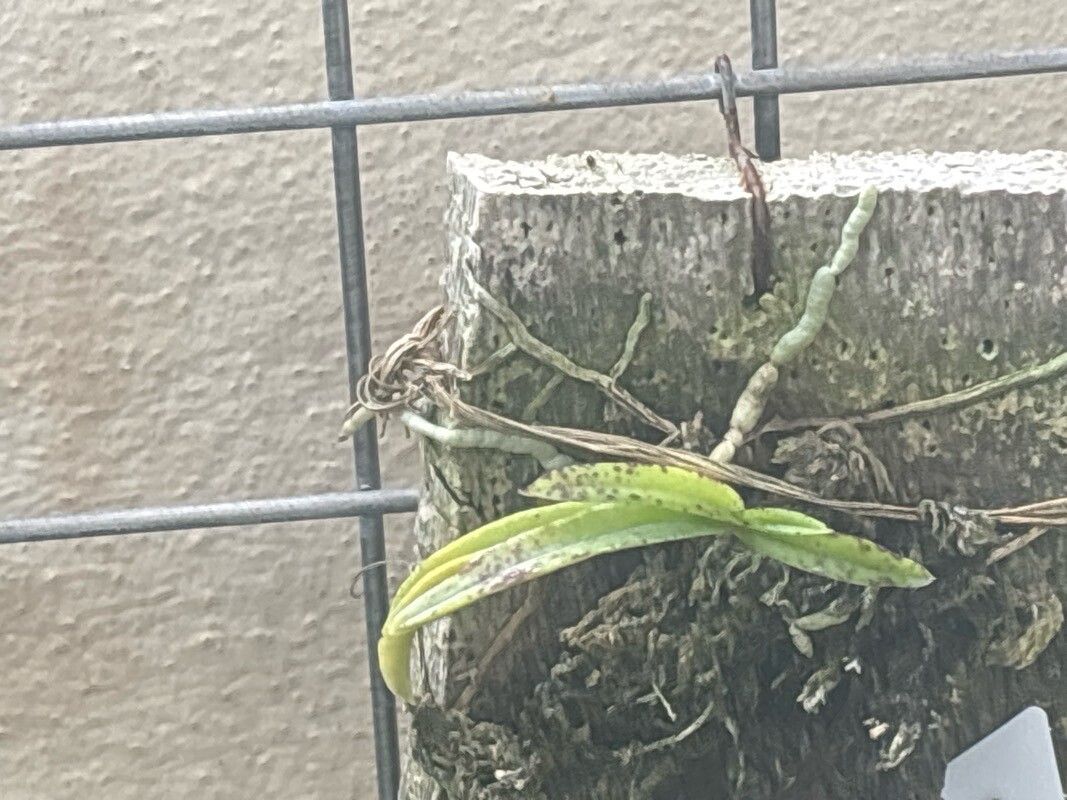
Oh, hello there! Pull up a chair and let’s chat about one of my favorite orchids: the Vanda curvifolia. If you’re captivated by those vibrant blooms and intricate aerial roots, you’re not alone. There’s a deep satisfaction in watching a new life emerge from a parent plant, and propagating Vanda curvifolia is a rewarding journey. Now, I won’t sugarcoat it – Vanda orchids, in general, can be a little fussy. So, while it’s not the absolute easiest plant for a complete beginner, with a little patience and the right approach, you can absolutely succeed.
The Best Time to Start
Timing is everything in the garden, isn’t it? For Vanda curvifolia, I find the spring or early summer is your sweet spot. This is when the plant is really in its active growth phase. You’ll notice new roots and leaf development, which means it has the energy reserves to put towards establishing new little ones. Trying to propagate when the plant is dormant is just asking for disappointment.
Supplies You’ll Need
To give your Vanda curvifolia cuttings the best start, here’s what I always have on hand:
- Sharp, sterile pruning shears or a sharp knife: Cleanliness is key to preventing disease.
- Rooting hormone (optional but recommended): A little boost can encourage roots to form faster. Look for one specifically for orchids or woody cuttings.
- A suitable growing medium: For Vandas, a very airy, well-draining mix is crucial. I often use a blend of coarse orchid bark, charcoal, and sphagnum moss. Some growers even do well with just very coarse bark and perlite.
- Clear plastic containers or small pots: Transparent pots allow you to easily monitor root development.
- A small spray bottle: For misting.
- Gloves: To keep your hands clean and protect the plant.
Propagation Methods
Vanda curvifolia is most successfully propagated through keikis (baby plants) or basal offsets. These are naturally occurring growths that emerge from the base of the mature plant. You won’t typically be taking stem cuttings like you would with some other plants.
- Identifying Keikis or Offsets: Look for a new plantlet emerging from the base of your Vanda curvifolia. It should have its own tiny aerial roots starting to form. This is your signal that it’s ready to be separated.
- The Gentle Separation: Once the keiki has at least two to three small, healthy roots (at least 1-2 inches long), it’s time for surgery. Using your sterile pruning shears or knife, carefully cut the keiki away from the mother plant. Try to keep as many of its delicate roots intact as possible. If there’s a bit of stem connecting them, sever that cleanly.
- Potting Up Your New Baby: Prepare a small, clear pot with your airy orchid mix. Gently place the keiki in the pot, making sure its roots are spread out a bit. You don’t want to pack the mix in too tightly; air circulation is paramount. Water it in very lightly.
The “Secret Sauce” (Pro Tips)
Now for a couple of things I’ve learned over the years that make a difference:
- Avoid Leaf Saturation: If you’re misting your new keikis, never let the leaves sit in water for extended periods. Vanda leaves are prone to rot if they stay constantly wet, so mist them in the morning so they can dry off during the day.
- Embrace a Little Humidity Bubble: New propagations, especially those with minimal root systems, love a bit of humidity. I often place the potted keikis inside a larger clear plastic bag or a terrarium for a week or two. Just make sure there’s still some air circulation – poke a few small holes in the bag if you’re using one. This creates a cozy environment without being suffocating.
Aftercare & Troubleshooting
Once your new Vanda curvifolia is potted, keep it in a bright, indirect light location. Water it when the growing medium feels almost dry, but don’t let it become bone dry. A light misting of the roots is often enough in the early days.
The most common issue you’ll face is rot. If you see the newly formed roots turning black and mushy, it’s a sign of too much moisture and not enough air. If the leaves of the keiki start to yellow and fall off, it might be unhappy with the light levels or overall conditions, or it might simply be stressed from the separation. Don’t panic! Sometimes, a keiki needs a little time to adapt. Remove any rotted parts immediately with sterile tools.
A Encouraging Closing
Be patient with your new Vanda curvifolia. Propagation is a process, and these lovely orchids like their own sweet time. Celebrate the small victories – a new root emerging, a vibrant green leaf unfurling. Enjoy watching your new orchid babies grow! You’ve got this.
Resource: