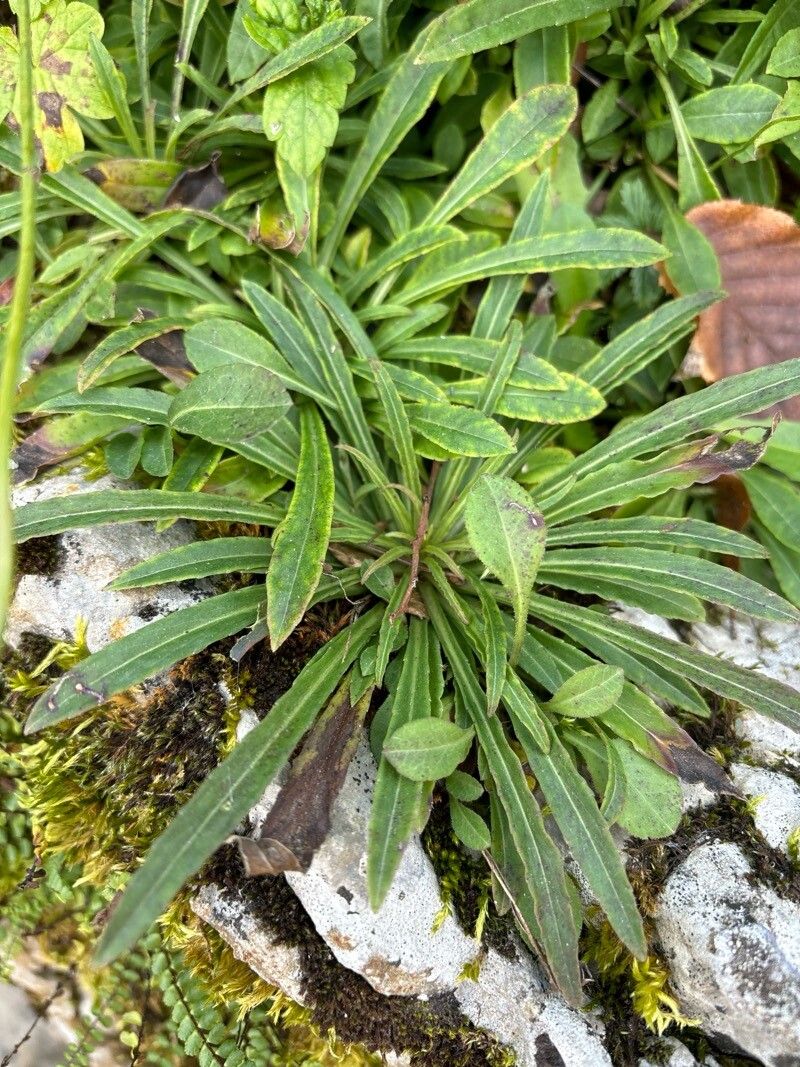
Oh, Scabiosa silenifolia! If you’re looking for a plant that brings a delightful burst of delicate, pincushion-like flowers and a touch of airy elegance to your garden, you’ve found a winner. These beauties are just lovely, aren’t they? And the best part? They’re surprisingly rewarding to propagate. While not quite as straightforward as, say, pothos, I find S. silenifolia to be a wonderfully accessible plant for those looking to expand their green collection a little. It’s a satisfying project that’s definitely within reach, even for newer gardeners.
When to Get Your Hands Dirty: The Best Time to Start
My absolute favorite time to get started with propagating Scabiosa silenifolia is in late spring or early summer. This is when the plant is in its active growth phase. Think of it as the plant’s prime time – full of energy and ready to sprout new life. Starting then gives your cuttings plenty of warmth and light to establish themselves before the cooler weather rolls in.
Gear Up: Supplies You’ll Need
Before we dive in, let’s make sure you have everything handy. A little preparation goes a long way!
- Sharp pruning shears or a clean sharp knife: For making clean cuts.
- Rooting hormone (optional but recommended): A gentle nudge to encourage root development. I like to use a powdered one.
- Well-draining potting mix: A good blend of peat moss, perlite, and a little coarse sand works wonders. You want to avoid anything that holds too much water.
- Small pots or trays: Clean, empty containers will do the trick. Little four-inch pots are usually perfect.
- A plastic bag or clear propagator lid: To create a humid environment.
- Watering can with a fine rose: For gentle watering.
- Labels and a permanent marker: To keep track of what’s what!
Bringing New Life Forth: Propagation Methods
I’ve found success with a couple of different methods for Scabiosa silenifolia, but stem cuttings are my go-to for this one.
Stem Cuttings:
- Select Your Source: Look for healthy, non-flowering stems on your Scabiosa silenifolia. You want flexible, younger growth, not woody old stems.
- Make the Cut: Using your clean pruning shears or knife, take cuttings that are about 4-6 inches long. Make a clean cut just below a leaf node (that little bump where a leaf emerges).
- Prepare the Cutting: Gently remove the lower leaves from your cutting, leaving just a few at the top. This stops them from rotting when they’re in the soil.
- Dip and Plant: If you’re using rooting hormone, dip the cut end of the stem into the powder. Give it a gentle tap to remove any excess. Then, push the cut end about an inch deep into your prepared, well-draining potting mix.
- Water Gently: Water the soil lightly to settle it around the cutting.
- Create Humidity: Cover the pot or tray loosely with a plastic bag or propagator lid. This traps moisture, which is crucial for cuttings to root. Make sure the leaves aren’t touching the plastic if possible. Pop it in a bright spot, but out of direct, scorching sun.
The “Secret Sauce”: My Insider Tips
Here are a few little tricks I’ve picked up over the years that seem to give S. silenifolia cuttings a super boost:
- Don’t Overcrowd: Give your cuttings a little breathing room. If they’re too close together, they can hinder each other’s progress and make the environment more prone to fungal issues.
- Bottom Heat is Your Friend: Scabiosa silenifolia really loves a bit of warmth from below. If you have a seedling heat mat, popping your pots on one can significantly speed up root formation. It’s like giving them a cozy little foot massage!
- The “Wiggle Test” is Key: Don’t be tempted to yank on your cuttings to check for roots too early! Wait until you see signs of new growth at the top. Then, when you think they might be rooted, give a very gentle tug. If you feel resistance, you’ve got roots!
Nurturing New Growth & What to Watch For
Once your cuttings have successfully rooted (you’ll see new leaves appearing, and they’ll feel firm when lightly tugged), it’s time for them to become independent.
- Acclimatize: Gradually remove the plastic bag or lid over a few days. This helps them get used to lower humidity.
- Water Regularly: Keep the soil consistently moist but not waterlogged. Water from the bottom if you can, as this encourages roots to grow downwards.
- Gently Transplant: Once they have a good root system and have outgrown their initial pots, you can repot them into slightly larger containers, using your well-draining mix.
Now, what if things don’t go quite as planned? The most common issue is rot. If you see your cuttings turning black and mushy, it’s usually a sign of too much moisture and not enough air circulation. Don’t despair! It happens to all of us. This is where my tip about good drainage and not letting leaves touch the water really comes into play. Sometimes, it’s just a matter of trying again with slightly drier conditions or better airflow.
Happy Growing!
Propagating Scabiosa silenifolia is such a fulfilling way to enjoy these charming flowers. Be patient with the process; sometimes, those roots take their sweet time. But the reward of seeing your new plants thrive makes every step absolutely worthwhile. Happy gardening!
Resource:
https://identify.plantnet.org/k-world-flora/species/Scabiosa%20silenifolia%20Waldst.%20&%20Kit./data