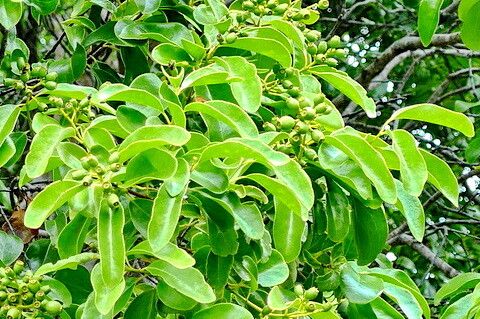
Oh, hello there! Come on in, grab a mug. Today, we’re diving into something truly special: propagating Santalum austrocaledonicum. You might know it as New Caledonia sandalwood. It’s got this incredible, fragrant wood and a history steeped in tradition. Growing your own is a beautiful way to connect with nature’s bounty, and honestly, it feels pretty darn rewarding when you see that first new sprout!
Now, if you’re new to this, I’ll be upfront: Santalum austrocaledonicum can be a bit of a diva. It’s not exactly a “stick it in the ground and forget it” kind of plant. But don’t let that deter you! With a little care and attention, you can absolutely succeed. Think of it as a rewarding challenge, not an insurmountable one.
The Best Time to Start
Timing is everything, right? For Santalum austrocaledonicum, the sweet spot is usually late spring to early summer. This is when the plant is in its active growth phase. You’ll want to look for new, semi-hardened growth – not the super soft, floppy bits, but not the old, woody stems either. This young growth has the best chance of rooting.
Supplies You’ll Need
Gathering your tools before you begin makes the whole process so much smoother. Here’s what I always have on hand:
- Sharp, clean pruning shears or a sharp knife: Disinfection is key to preventing disease. I usually give mine a quick wipe with rubbing alcohol.
- Rooting hormone powder or gel: This can give your cuttings that extra boost of encouragement.
- A well-draining potting mix: I like to use a blend of coco coir, perlite, and a bit of orchid bark. Sand can also be a good addition for drainage. Avoid anything too heavy that holds onto excess moisture.
- Small pots or trays: Make sure they have drainage holes!
- A clear plastic bag or propagator lid: This will create a humid environment for your cuttings.
- Watering can with a fine rose or spray bottle: Gentle watering is crucial.
- Labels and a marker: Trust me, you’ll thank yourself later for labeling your efforts!
Propagation Methods
While Santalum austrocaledonicum can be a little tricky, stem cuttings are generally the most accessible method for home gardeners.
Stem Cuttings: The Tried and True
- Select your cutting: Head back to that beautiful, semi-hardened growth we talked about. Look for stems that are about 4-6 inches long.
- Make the cut: Using your clean pruning shears or knife, make a clean cut just below a leaf node. This is where the magic happens for root development.
- Prepare the cutting: Gently remove the lower leaves from your cutting. You want to expose a portion of the stem where roots can form. Leave just a couple of leaves at the very top to help with photosynthesis.
- Apply rooting hormone: Dip the cut end of your stem into your rooting hormone. Tap off any excess.
- Pot it up: Fill your small pot with your well-draining potting mix. Make a small hole in the center with your finger or a pencil.
- Insert the cutting: Place the treated end of the cutting into the hole and gently firm the soil around it. Make sure the leaf nodes you exposed are below the soil surface.
- Water gently: Give the pot a light watering. You want the soil to be moist, not soggy.
- Create humidity: Cover the pot with a clear plastic bag or propagator lid. This will trap moisture and create a mini-greenhouse effect. Make sure the leaves aren’t touching the plastic. If they are, you might need to prop up the bag a bit.
- Find a good spot: Place the pot in a bright location out of direct sunlight. A warm spot is ideal.
The “Secret Sauce”
Here are a couple of things I’ve learned over the years that really make a difference:
- Bottom Heat is Your Friend: If you can, place your pots on a heat mat. This gentle warmth from below encourages root formation. Think of it as giving your cuttings a cozy, warm footbath.
- Don’t Overwater (Seriously!): This is probably the biggest killer of cuttings. The goal is consistently moist soil, not soaked soil. Let the top layer of soil dry out slightly between waterings. Overwatering leads to rot, and nobody wants that. A good check is to stick your finger about an inch into the soil. If it feels dry, it’s time to water.
- Patience, Patience, Patience: Santalum austrocaledonicum can be a slow starter. Don’t be tempted to dig up your cuttings too soon to check for roots. It can take several weeks, sometimes even a couple of months, for them to show signs of growth.
Aftercare & Troubleshooting
Once you start to see new leaf growth on your cuttings, that’s a good sign! It means roots are forming.
- Gradual Acclimation: Slowly decrease the humidity. You can start by opening the plastic bag for a few hours each day, then remove it altogether over a week or so.
- Careful Watering: Continue to water only when the top inch of soil is dry.
- Light Feeding (Later): Once your plant is well-established and has a decent root system, you can start introducing a diluted liquid fertilizer during the growing season.
Troubleshooting:
- Wilting: This could be a sign of not enough water, too much heat, or even too much water (causing root rot, which then makes it unable to take up water). Check the soil moisture and adjust.
- Rotting: Dark, mushy stems or leaves are a clear sign of rot, usually caused by overwatering or poor drainage. Unfortunately, this is often irreversible. Clean up any affected parts immediately and reassess your watering and soil mix.
- No Growth: This is where patience comes in. If there are no signs of rot and the stem still looks firm, just keep going. Sometimes, they just need more time.
A Gentle Farewell
Propagating Santalum austrocaledonicum is a journey, not a race. Enjoy the process, learn from each cutting, and celebrate every little victory. You’re nurturing new life, and that’s a beautiful thing. I have every confidence you’ll do wonderfully. Happy gardening!
Resource:
https://identify.plantnet.org/k-world-flora/species/Santalum%20austrocaledonicum%20Vieill./data