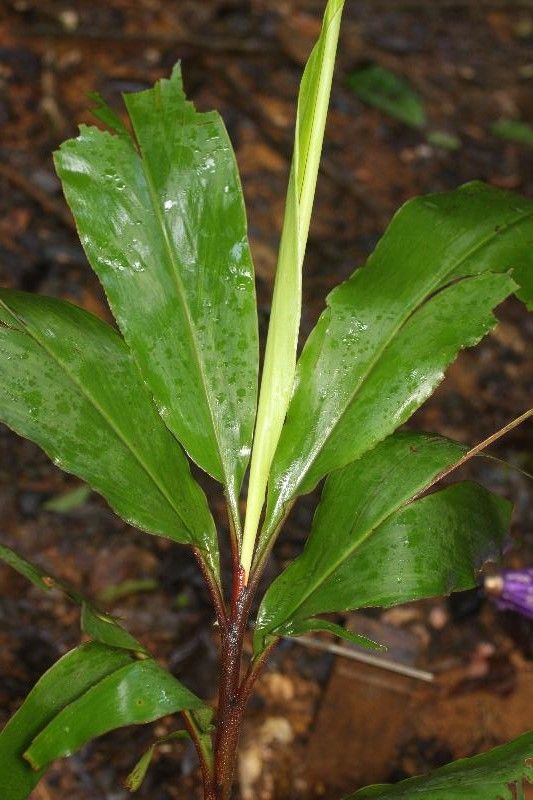
Oh, hello there, fellow plant lover! If you’ve ever admired those stunning, architectural leaves of Renealmia guianensis and dreamt of having more, you’ve come to the right place. Many people think of it as a bit of a prima donna, but with a few pointers, you’ll find propagating this tropical beauty is quite achievable. It’s a wonderfully rewarding process, watching a tiny piece of your existing plant blossom into something new.
The Best Time to Start
Generally, the spring and early summer months are your best bet. This is when the plant is actively growing and has the most energy to put into developing new roots. Waiting until after your plant has recovered from any winter dormancy or just finished a blooming cycle is a good strategy too. You want to start when the plant is feeling robust!
Supplies You’ll Need
Before we dive in, let’s gather our tools:
- Sharp Pruning Shears or a Clean Knife: For making clean cuts.
- Well-Draining Potting Mix: A mix of peat moss, perlite, and a bit of orchid bark works wonders. You want something airy!
- Small Pots or Seedling Trays: Clean containers are key.
- Rooting Hormone (Optional but Recommended): Especially helpful for encouraging faster root development.
- Clear Plastic Bag or Humidity Dome: To create a mini-greenhouse.
- Watering Can with a Fine Rose: For gentle watering.
- Optional: Bottom Heat Mat: A game-changer for a quick start.
Propagation Methods
Renealmia guianensis is most commonly and successfully propagated through division. It’s like giving your plant a little haircut and a chance to expand!
Division
This is the gentlest and most reliable method for Renealmia guianensis.
- Gently Remove the Plant: Carefully take your mature Renealmia guianensis out of its pot. If it’s stuck, gently tap the sides of the pot.
- Inspect the Roots: You’ll notice the plant grows in clumps, with new shoots emerging from the base. See how the rhizomes (these are those thick, fleshy underground stems) are connecting the different parts.
- Separate the Clumps: Using your clean hands or a sterile knife, gently pull or cut apart the clumps. Look for sections that have at least one healthy shoot and a good amount of root attached. Don’t force it if the roots are very intertwined; sometimes a clean cut is best.
- Pot Up the Divisions: Prepare your small pots with your pre-moistened, well-draining potting mix. Plant each division so that the top of the rhizome is just at or slightly above the soil surface.
- Water Gently: Give them a good, gentle watering to settle the soil around the roots.
- Provide Humidity: Cover the pots with a clear plastic bag or a humidity dome to keep moisture levels high. This is crucial in the early stages.
The “Secret Sauce” (Pro Tips)
Here are a few little tricks that have helped me over the years:
- Don’t Over-Pot: It’s tempting to give a new division a big pot, but smaller pots actually encourage roots to grow outwards more readily. A pot that’s just slightly larger than the root ball is perfect.
- Bottom Heat is Your Friend: If you can, place your divided plants on a gentle bottom heat mat. This little bit of warmth from below mimics ideal tropical conditions and significantly speeds up root formation and growth. You’ll see results much faster!
- Cleanliness is Next to Godliness: I can’t stress this enough: always use clean tools and sterile pots. This prevents any nasty fungal or bacterial infections that can easily kill a young, vulnerable plant.
Aftercare & Troubleshooting
Once your divisions are potted, keep them in a bright, indirect light location. Avoid direct sun, which can scorch those tender new leaves. Water them when the top inch of soil feels dry to the touch.
The biggest challenge you might face is rot. This usually happens if the soil stays too wet or if there isn’t enough air circulation. Signs of rot include mushy, black stems or leaves that yellow and drop off quickly. If you see this, immediately check your watering habits. Ensure good airflow and increase the drainage of your soil mix if needed.
If you’ve used rooting hormone, you might see new leaf growth within a few weeks. For divisions, you’ll notice the plant becoming more firm and beginning to produce new shoots from the base. This tells you the roots are happily establishing themselves!
A Bit of Patience, A Lot of Joy
See? It’s not so daunting after all! Propagating Renealmia guianensis is a journey of observation and a little bit of nurturing. Be patient with your new plant babies, offer them consistent care, and you’ll be rewarded with more of these wonderful tropical specimens. Happy growing!
Resource:
https://identify.plantnet.org/k-world-flora/species/Renealmia%20guianensis%20Maas/data