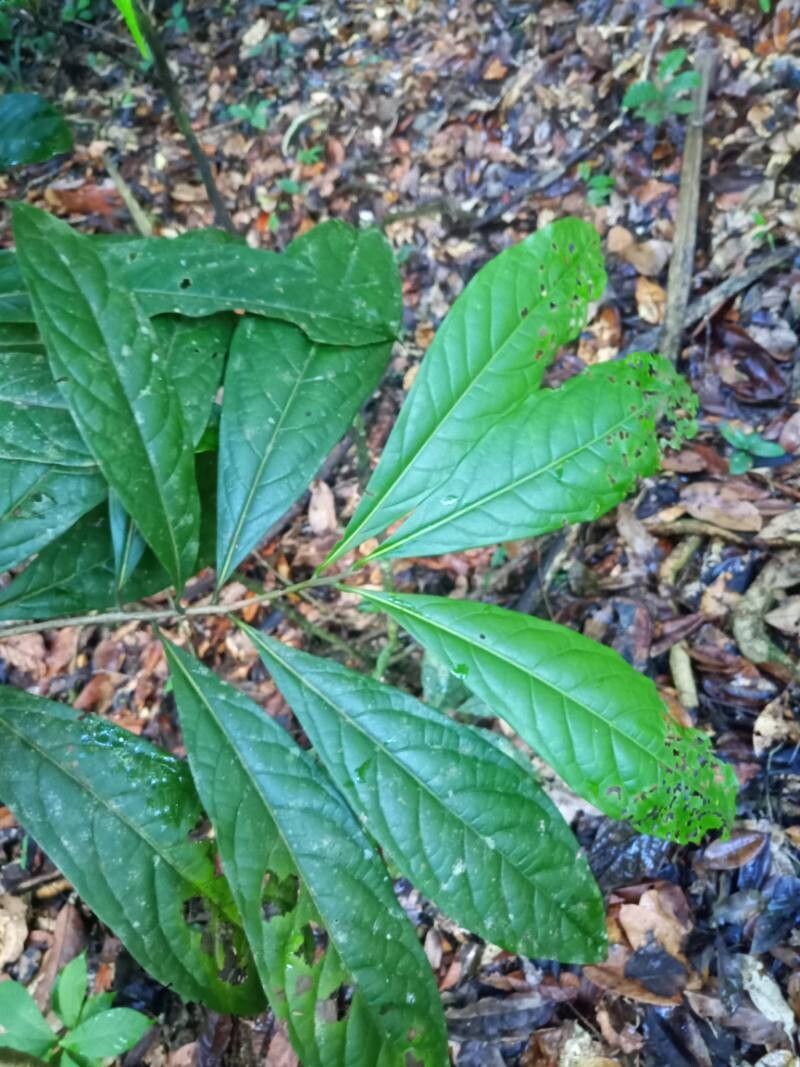
Well hello there, fellow plant lover! Today, we’re diving into something truly special: Persea nivea. You know, that gorgeous plant with the velvety, silvery leaves that just feels like a little piece of magic in the garden? If you’ve ever admired its delicate beauty and wished you had more of it, you’re in the right place. Propagating Persea nivea can be incredibly rewarding. It’s not exactly a beginner’s walk in the park, but with a little know-how and patience, I promise you can do it!
The Best Time to Start
For the highest chance of success, I always aim to propagate Persea nivea in late spring or early summer. This is when the plant is in its most vigorous growth phase. New, healthy stems are readily available, and the warmer temperatures really encourage root development. Basically, you want to work with the plant when it’s feeling its best and has plenty of energy.
Supplies You’ll Need
Gathering your tools beforehand makes the whole process feel so much smoother. Here’s what I usually have on hand:
- Sharp pruning shears or a clean knife: For making clean cuts.
- Rooting hormone: This is your best friend for encouraging root growth. I particularly like ones containing IBA.
- A well-draining potting mix: A blend of perlite, peat moss, and a little bit of sand works wonders. You can also buy specific propagation mixes.
- Small pots or trays: Clean ones are a must to prevent disease.
- A clear plastic bag or a propagation dome: To maintain humidity.
- Water: Of course!
- Optional: Bottom heat mat: This can significantly speed up root formation.
Propagation Methods
The most reliable way I’ve found to propagate Persea nivea is through stem cuttings. It’s quite straightforward once you get the hang of it.
- Select a healthy stem: Look for a stem that’s not too woody but also not too soft – think of it as firm but flexible. It should have at least two to three sets of leaves.
- Make the cut: Using your clean pruning shears or knife, make a clean cut just below a leaf node (where the leaf attaches to the stem). This is where roots are most likely to form.
- Prepare the cutting: Gently remove the lower leaves, leaving just one or two sets at the top. If the remaining leaves are quite large, I often trim them in half to reduce water loss through transpiration.
- Apply rooting hormone: Dip the cut end of the stem into your rooting hormone powder or gel. Make sure it’s coated evenly.
- Plant the cutting: Fill your small pot with your prepared potting mix. Make a small pilot hole with your finger or a pencil, then gently insert the cutting. Firm the soil gently around the stem to ensure good contact.
- Water lightly: Water the soil thoroughly but avoid waterlogging.
- Create a humid environment: Cover the pot with a clear plastic bag or a propagation dome. Make sure the leaves don’t touch the plastic. You can use stakes to prop up the bag if needed.
- Provide bright, indirect light: Place your cuttings in a location that receives plenty of bright, indirect sunlight. Avoid direct, harsh sun, which can scorch the delicate cuttings.
The “Secret Sauce” (Pro Tips)
After years of trial and error, I’ve picked up a few tricks that seem to make all the difference.
- Bottom Heat is a Game Changer: If you have a bottom heat mat, use it! Providing gentle warmth from below significantly speeds up root development and increases your success rate. Aim for around 70-80°F (21-27°C).
- Don’t Drench the Soil: While humidity is crucial, you don’t want the soil to be constantly soggy. A light watering when the top inch of soil feels dry is usually sufficient. Overwatering is a fast track to rot, especially with cuttings.
- A Little Air Circulation Helps: Even though you’re creating a humid environment, it’s good practice to open the plastic bag or dome for an hour each day to allow for some air exchange. This helps prevent fungal diseases from taking hold.
Aftercare & Troubleshooting
Once your cuttings have rooted (you can often tell by seeing new growth or gently tugging on the stem and feeling resistance), it’s time to transition them to slightly more normal care.
- Gradual Acclimation: Slowly remove the plastic bag or dome over a few days to allow the new plant to adjust to lower humidity.
- Consistent Watering: Keep the soil consistently moist but not wet. As the plant grows, you can start watering it like a mature plant.
- Watch for Rot: The most common sign of failure is rot, which usually appears as a black, mushy stem at the soil line. This is almost always due to overwatering. If you see it, sadly, the cutting is likely lost.
- Wilting: While some wilting can happen initially as the plant adjusts, persistent wilting despite adequate watering might indicate that the roots haven’t developed enough to support the foliage.
A Encouraging Closing
Propagating any plant takes a bit of patience and a dash of optimism. Don’t be discouraged if your first few attempts aren’t perfect. Each cutting is a learning experience, and the joy of watching a new Persea nivea unfurl its lovely leaves is absolutely worth the effort. So grab those shears, get your hands dirty, and enjoy the beautiful journey of bringing more of this enchanting plant into your life! Happy gardening!
Resource:
https://identify.plantnet.org/k-world-flora/species/Persea%20nivea%20Mez/data