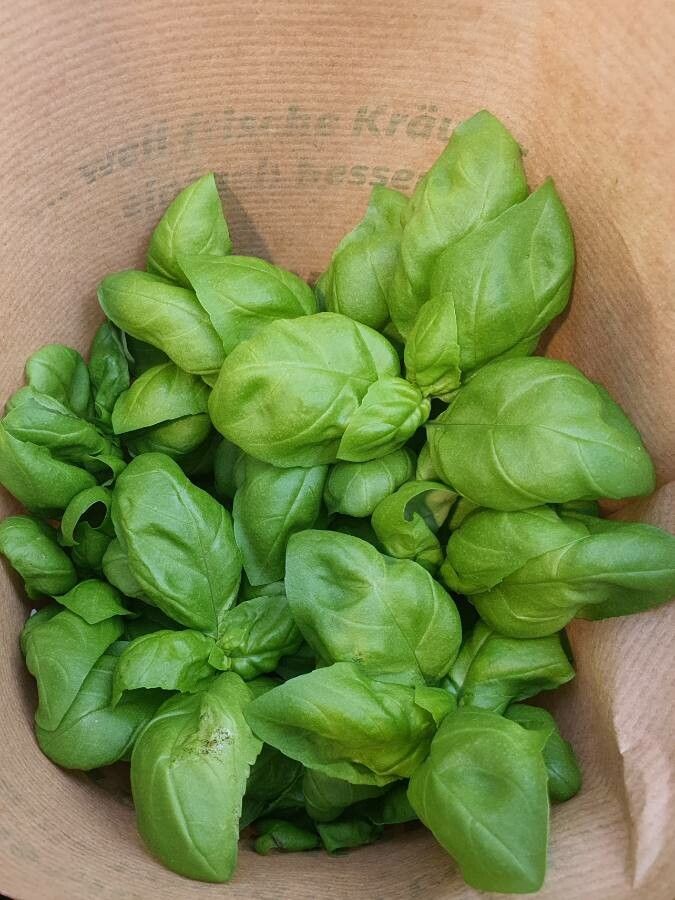
Oh, basil! Who doesn’t love the sweet, peppery scent of fresh basil mingling with ripe tomatoes? It’s truly one of the stars of the summer garden. Learning to propagate it yourself is incredibly rewarding. You’ll have an endless supply for pesto, caprese salads, and more. And the best part? Basil is wonderfully generous, making it a fantastic plant for beginners to try their hand at propagation.
The Best Time to Start
For the most success, I like to start my basil propagation in the late spring or early summer, right when the plant is putting on a growth spurt. You can also take cuttings from established plants in mid-summer. Basically, any time your basil is actively growing and before it gets too stressed by intense heat or the cooler days of fall is a good bet.
Supplies You’ll Need
- Sharp pruning shears or scissors: Clean cuts are key!
- Clear plastic cups or small pots: So you can see the roots developing.
- Well-draining potting mix: A blend of peat moss and perlite works beautifully.
- Rooting hormone (optional but helpful): I like to use it for an extra boost.
- Water: Good ol’ tap water is usually fine.
- A sunny spot: Bright, indirect light is ideal.
Propagation Methods
My go-to method for basil is stem cuttings. It’s straightforward and usually yields great results.
- Select Your Stem: Look for a healthy, non-flowering stem on your mature basil plant. You want a stem that’s about 4-6 inches long.
- Make the Cut: Using your clean pruning shears, make a cut just below a leaf node (that little bump where a leaf joins the stem). This is where the magic happens.
- Prepare the Cutting: Gently strip off the lower leaves, leaving just a few sets of leaves at the top. This prevents them from rotting in the water or soil.
- Rooting Hormone (if using): Dip the cut end into your rooting hormone. Tap off any excess.
- Water Propagation: Fill a clear cup with water. Place your cuttings into the water, making sure the lower leaf nodes are submerged. Change the water every few days to keep it fresh.
- Soil Propagation: Fill your small pot with your well-draining potting mix. Make a hole in the soil with your finger or a pencil. Insert the cutting into the hole, ensuring the lower leaf nodes are buried. Gently firm the soil around the stem. Water lightly.
The “Secret Sauce” (Pro Tips)
One thing I always tell my gardening friends is about not letting the leaves touch the water in the cup if you’re water propagating. If those leaves sit in the water, they’ll start to decay and can introduce disease to your cutting before it even has a chance to root. It’s a small detail, but it makes a big difference.
Another trick? For soil propagation, especially if you have a slightly cooler indoor space, consider using bottom heat. A small seedling heat mat can really encourage root development. It mimics that lovely warm soil you find in the summer garden.
Aftercare & Troubleshooting
Once your cuttings develop roots – you’ll see them emerging from the stem in water, or you can gently tug on a soil-propagated cutting to feel resistance – it’s time to give them a more permanent home.
For water-propagated cuttings: When the roots are about an inch long, you can gently transplant them into your potting mix. Water them thoroughly after planting.
For soil-propagated cuttings: Continue to keep the soil consistently moist but not soggy. Once they look established and are producing new leaves, they’re good to go!
The most common issue you’ll see is rot, usually indicated by a black, mushy stem. This often happens from being too wet or from those lower leaves decaying. If you catch it early, you might be able to salvage a bit by cutting above the rotted section. Otherwise, it’s best to discard the cutting and try again with a fresh one.
A Encouraging Closing
Propagating basil is such a rewarding experience. Don’t be discouraged if your first few attempts aren’t perfect. Gardening is all about learning, observing, and trying again. Be patient, enjoy the process of watching new life emerge, and soon you’ll have more fragrant basil than you know what to do with! Happy growing!
Resource:
https://identify.plantnet.org/k-world-flora/species/Ocimum%20basilicum%20L./data