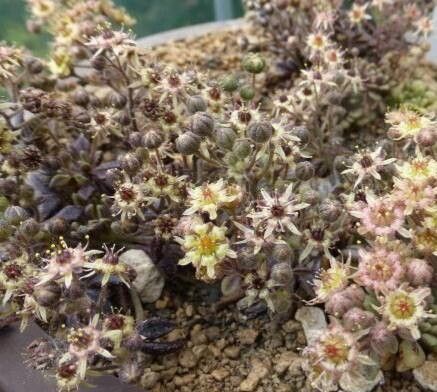
Oh, hello there, fellow plant lover! It’s so lovely to have you join me for a chat about one of my absolute favorite little succulents: Monanthes icterica. If you haven’t encountered this gem before, imagine a miniature rosette, often a delightful shade of olive-green with hints of yellow, especially when it’s happy and getting good light. They form these wonderful, compact clusters that are just a joy to behold.
Propagating Monanthes icterica is not only incredibly rewarding, but it’s also totally doable! You get to witness that magical moment of new life emerging, and suddenly, you’ve got more of these charming plants to admire or even share. For beginners, I’d say they lean towards the easier side. With a little care and attention, you’ll be successful in no time.
The Best Time to Start
My golden rule for propagating most succulents, including Monanthes icterica, is to do it during their active growing season. For these little beauties, that typically means late spring through early fall, roughly May to September. This is when the plant has plenty of energy to put into growing roots and establishing itself. You’ll find cuttings root much faster and with less fuss when they’re taken during this warmer, brighter period.
Supplies You’ll Need
Before we get our hands dirty, let’s gather our tools. You won’t need much, but having the right bits and bobs makes all the difference:
- Sharp, clean pruning shears or a sharp knife: For making clean cuts.
- Well-draining succulent or cactus potting mix: This is crucial. You can buy a pre-made mix or create your own by blending potting soil with perlite or pumice (about a 50/50 ratio works well).
- Small pots or trays: Terracotta pots are fantastic as they breathe and help the soil dry out.
- Rooting hormone (optional, but helpful): A little powder or gel can give your cuttings a boost.
- Spray bottle: For gentle watering.
- Patience and a willingness to learn!
Propagation Methods
Let’s dive into how we’ll get these new little plants going. I usually lean towards two main methods for Monanthes icterica, both quite effective.
Stem Cuttings: My Go-To Method
This is usually the most straightforward.
- Take your cuttings: Look for a healthy, mature Monanthes icterica plant. Gently twist or use your clean shears to snip off a stem, ideally with a few healthy rosettes or at least a good length of stem. Aim for cuttings that are a few inches long.
- Let them callus: This is a vital step for succulents! Place your cuttings on a dry paper towel or in a tray in a well-lit spot, away from direct sun, for about 2-5 days. You want the cut end to dry out and form a protective “callus.” This prevents rot when you plant them.
- Prepare your pots: Fill your small pots with your well-draining succulent mix.
- Plant the cuttings: Once callused, you can lightly dip the cut end in rooting hormone (if using). Then, gently insert the cut end about an inch deep into the soil. You can plant a few cuttings per pot if they are small.
- Watering: Wait a few days after planting before you water. Then, water very sparingly. I like to use a spray bottle to gently moisten the top layer of soil. The goal is to provide just enough moisture to encourage roots, not to soak them.
Division: For Existing Clumps
If your Monanthes icterica has formed a nice, mature clump with multiple rosettes or offsets, division is a wonderful option.
- Gently remove from pot: Take the entire clump out of its pot.
- Separate the offsets: Carefully examine the base of the plant. You should see where new offsets are attached to the parent plant. You can often gently pull these apart with your fingers. If they are stubbornly attached, use your clean knife or shears to carefully cut them away, making sure each offset has some roots attached if possible.
- Let them dry (optional, but recommended): If you had to make clean cuts during separation, let these individual offsets callus over for a day or two, just like stem cuttings.
- Pot them up: Plant each divided offset in its own small pot filled with succulent mix, following the planting and initial watering steps described for stem cuttings.
The “Secret Sauce” (Pro Tips)
Here are a few things I’ve learned over the years that really make a difference:
- Don’t let the leaves touch the soil (if water propagating): While I’ve primarily outlined soil propagation, some people enjoy water propagation. If you do this, never let the leaves of your Monanthes icterica sit in the water. Only the stem should be submerged. This is a major rot prevention tip!
- Bottom heat is your friend: If you’re propagating in a cooler environment or during a slightly cooler part of the growing season, putting your pots on a gentle heat mat designed for seedlings can really speed up root development. It mimics the warmth of spring soil.
- Observe, don’t obsess: It’s tempting to dig up a cutting every few days to check for roots. Resist this urge! Constant disturbance can hinder root growth. Give them time. You’ll see new growth or feel resistance when you gently tug the cutting if roots have formed.
Aftercare & Troubleshooting
Once you see signs of new growth, or if your cuttings feel firmly rooted, you’re on your way!
- Gradual transition: Once roots are established, you can start watering a little more thoroughly, allowing the soil to dry out completely between waterings.
- Light: Move your new plants into brighter light, but still avoid harsh, scorching afternoon sun, especially if they are very young.
- Rot: The most common issue is rot, which usually happens from overwatering or poor drainage. If you see mushy, black stems or leaves, the cutting is likely beyond saving. It’s better to underwater than overwater succulents.
- Shriveling: If your cuttings shrivel and don’t root, it might mean they were too dry for too long, or indeed, that they may have rotted internally before you noticed.
A Little Encouragement
Propagating your Monanthes icterica is a wonderful way to connect with the plant more deeply. Don’t get discouraged if a few don’t make it – that’s part of the gardening journey! Be patient, trust the process, and enjoy watching those tiny new rosettes emerge. Happy propagating!
Resource: