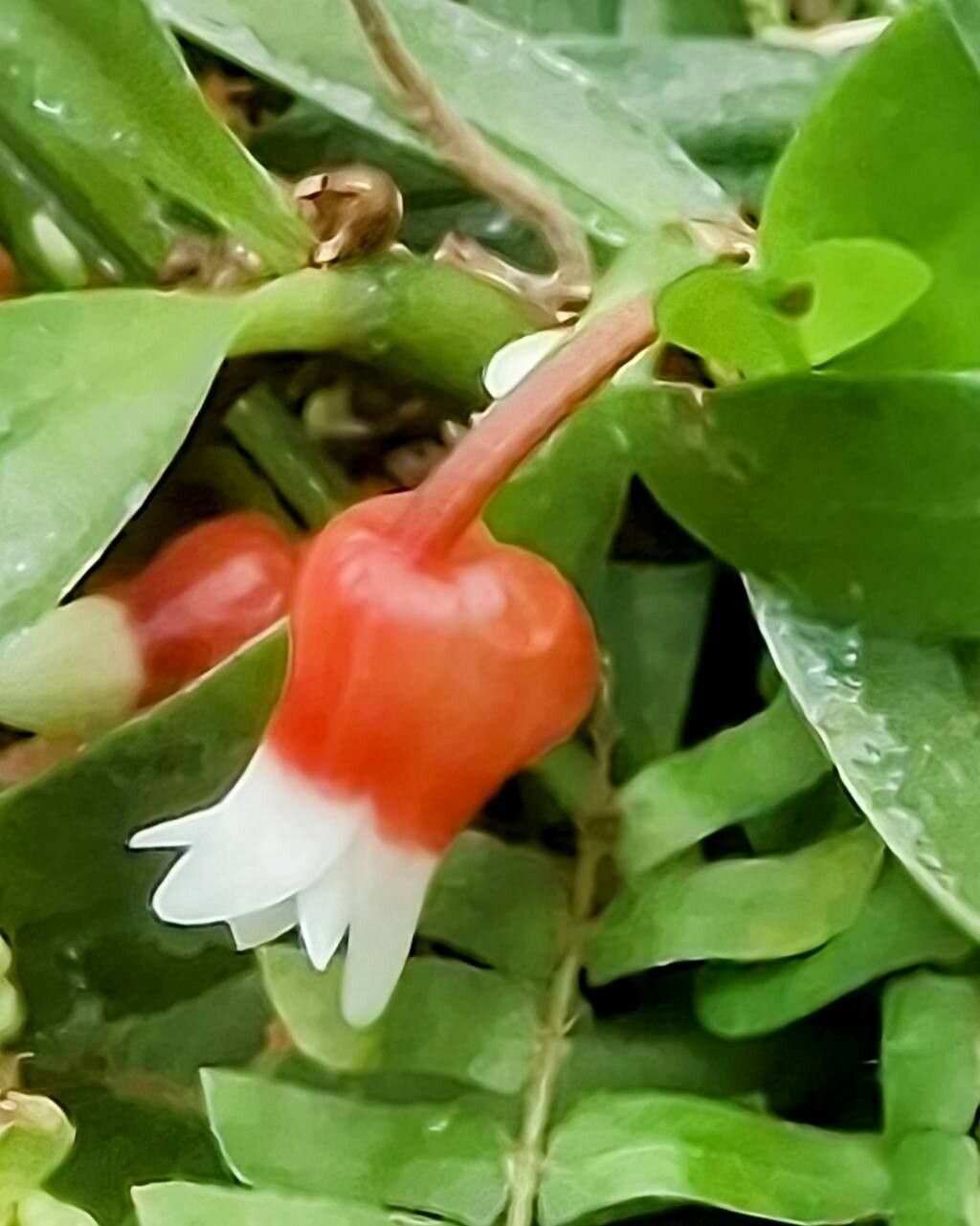
Hello there, fellow plant lovers! It’s so wonderful to connect with you today. We’re going to dive into the delightful world of Mediocalcar bifolium, a charming little orchid that’s been a favorite of mine for years. Seriously, the way its slender stems cascade with those two perfect leaves on each segment… it’s just pure elegance!
Propagating Mediocalcar bifolium is such a rewarding endeavor. It’s a fantastic way to share this beauty with friends, or simply to build out your own collection without breaking the bank. Now, I won’t go sugarcoating it – this isn’t the absolute easiest plant for a complete beginner to start with. It requires a bit of attention to detail, but with these steps, you’ll find it quite manageable.
The Best Time to Start
For orchids like Mediocalcar bifolium, the spring is generally your golden ticket. When the plant is actively growing after its winter rest, it has all the energy it needs to push out new roots and shoots. Look for new growth – those little plump growths or lengthening stems are signs your orchid is ready to share its bounty. Avoid propagating when the plant is stressed, trying to bloom, or in the depths of its dormant period.
Supplies You’ll Need
Gathering your supplies is half the battle, isn’t it? Having everything at hand makes the process so much smoother. Here’s what I keep in my propagation kit:
- Sharp, sterile pruning shears or a clean knife: Essential for making clean cuts. Sterilize with rubbing alcohol between uses to prevent disease.
- Orchid potting mix: A well-draining mix is crucial. I usually lean towards a bark-based mix with a bit of perlite for aeration. Some growers even use sphagnum moss.
- Small pots or seedling trays: Choose something that holds humidity well but still allows for airflow. Tiny terracotta pots or even repurposed plastic containers with drainage holes work.
- Rooting hormone (optional but recommended): This isn’t strictly necessary for Mediocalcar bifolium, as it roots fairly readily, but it can give new cuttings an extra boost. Look for a powder or gel.
- Watering can with a fine rose: Gentle watering is key, especially with delicate new roots.
- Clear plastic bags or a propagation dome: To maintain high humidity around your cuttings while they root.
- Optional: Heat mat: This can significantly speed up root development by providing gentle warmth.
Propagation Methods
Mediocalcar bifolium is most commonly and successfully propagated by stem cuttings, which is what we’ll focus on.
Stem Cuttings:
- Select a healthy stem: Look for a mature, non-flowering stem that has at least two to three pseudobulbs (those thickened stem segments). It should feel firm and robust.
- Make your cut: Using your sterile shears or knife, cut the stem just below a pseudobulb, or a little further down if you want to ensure a good section. You’re aiming to get a piece that has one or two leaf nodes. You can even divide a longer stem into multiple cuttings, as long as each piece has at least one node.
- Prepare the cutting: Gently remove any lower leaves that might end up below the potting medium. This helps prevent rot. If you’re using rooting hormone, lightly dip the cut end into it.
- Pot it up: Fill your small pot with your moistened orchid mix. Make a small indentation in the center and gently place the cutting into it, ensuring the node(s) are nestled in the mix. You want the pseudobulbs to be mostly covered. Gently firm the mix around the stem.
- Create a humid environment: Water gently to settle the mix. Then, cover the pot with a clear plastic bag or place it under a propagation dome. This creates a mini-greenhouse effect, which is vital for preventing dehydration before roots form. Place the pot in a spot with bright, indirect light.
The “Secret Sauce” (Pro Tips)
Here’s where a little bit of experience really comes in handy. These are the little things that can make all the difference:
- Don’t let the leaves touch the water (if you try water propagation for a short time): While some orchids can root in water, Mediocalcar bifolium is prone to rot if its leaves are submerged. If you decide to try water for a very short period before potting, make sure only the cut stem base is in the water. Honestly, I find potting directly into mix much more successful for this one.
- Use bottom heat: This is a game-changer! Placing your pots on a gentle heat mat (set to around 70-75°F or 21-24°C) will dramatically speed up the rooting process. It mimics the warmth of the tropics and encourages those roots to get growing.
- Patience is key with misting: While humidity is vital, don’t over-mist the leaves. A light misting once a day or every other day is usually sufficient if you’re keeping it covered. Too much moisture on the leaves without good airflow can lead to fungal issues. The goal is moist soil and humid air, not soggy foliage.
Aftercare & Troubleshooting
Once you’ve potted up your cuttings, the real waiting game begins. Keep the humidity high and the light bright but indirect. You’ll know your cutting is rooting when you see new root tips emerging from the potting mix, or even new leaf growth. This can take anywhere from a few weeks to a couple of months.
The most common signs of failure are rot (a mushy, dark stem or leaf bases) or dehydration (a shriveled, limp cutting). If you see rot, unfortunately, that cutting is likely lost. If it’s just looking a bit sad and dry, see if you can increase the humidity, but don’t overwater.
Once roots are established and you see good new growth, you can gradually acclimate your new plant to its normal environment. This means slowly increasing airflow and reducing humidity over a week or two. Then, pot it into a slightly larger container with fresh orchid mix.
A Little Encouragement to Grow
So there you have it! Propagating Mediocalcar bifolium is a beautiful journey of patience and observation. Don’t be discouraged if your first attempt isn’t perfect. Every plant, every cutting, is a learning experience. Enjoy the process, celebrate the tiny successes, and before you know it, you’ll have a whole collection of these lovely orchids to admire. Happy growing!
Resource:
https://identify.plantnet.org/k-world-flora/species/Mediocalcar%20bifolium%20J.J.Sm./data