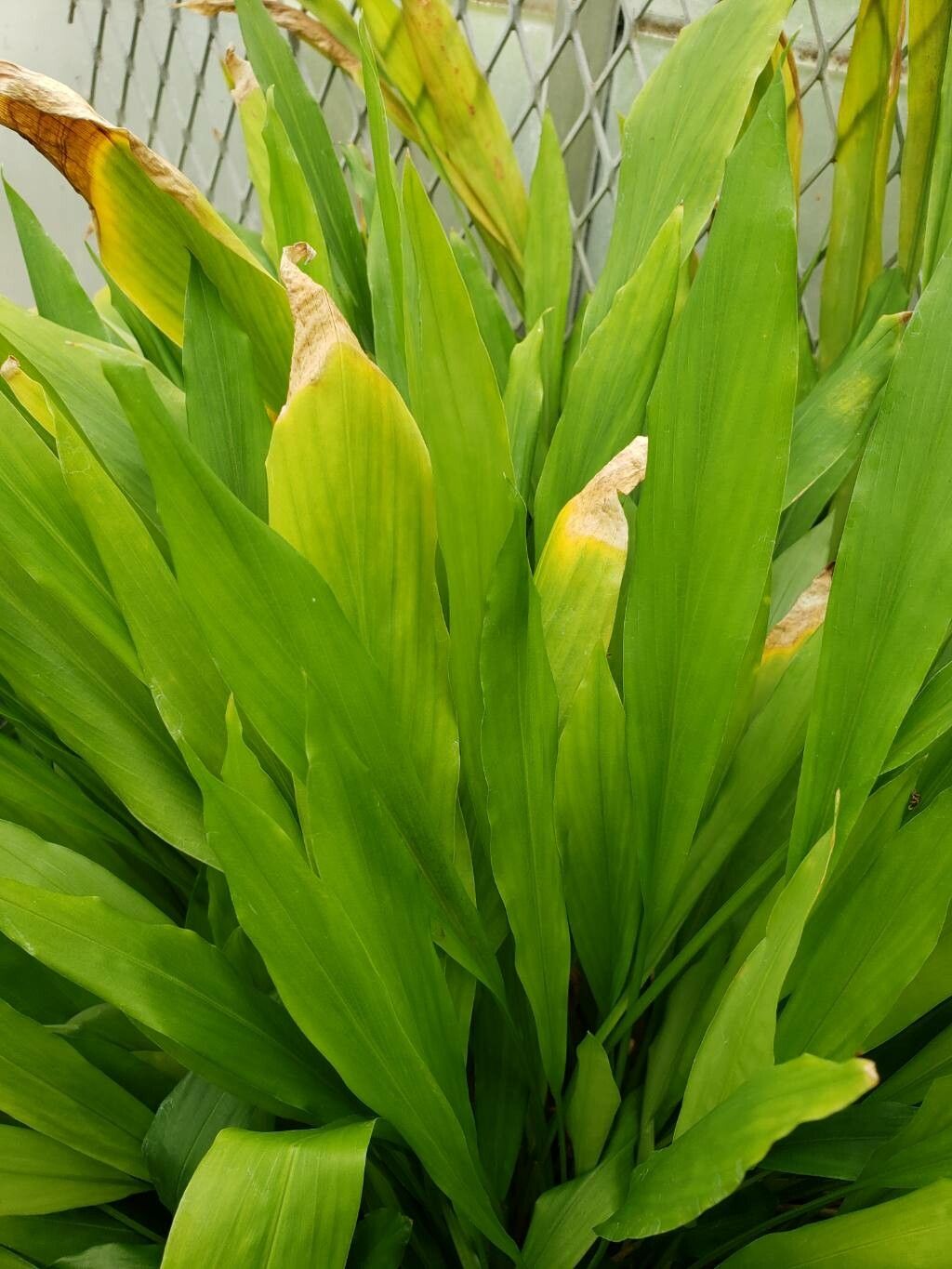
Oh, hello there! Grab your favorite mug and pull up a chair. We’re going to talk about a plant I absolutely adore: Kaempferia parviflora, also known as Resurrection Lily or Fingerroot. If you love those gorgeous, often fleeting floral displays that pop up from seemingly bare ground, this one’s for you. It’s a member of the ginger family, but instead of grand foliage, it gives us these delicate, often purplish-pink blooms that emerge directly from the rhizome. It’s truly magical!
Now, you might be wondering if this is a task for the seasoned pro or if a beginner can jump right in. Honestly, propagating Kaempferia parviflora is quite forgiving. With a little patience and the right approach, you’ll be rewarded with new plants to share or to simply fill your own garden spaces with more of this charm. It’s a really satisfying endeavor.
The “Just Right” Time to Propagate
The absolute best time to get your hands dirty with Kaempferia parviflora is during its active growing season, which typically spans from late spring through summer. This is when the plant is full of energy, producing new shoots and robust rhizomes. Trying to propagate when the plant is dormant (usually in fall or winter) is much less likely to yield success. You want to catch it when it’s practically buzzing with life!
What You’ll Need to Get Started
Gathering your supplies beforehand makes the whole process smoother. Think of it as getting your recipe ingredients ready!
- Rhizome cuttings: You’ll need sections of the parent plant’s rhizome.
- Sharp, clean pruning shears or a knife: For making precise cuts. Sterilize them with rubbing alcohol between each cut to prevent disease.
- Well-draining potting mix: A good blend for me is equal parts peat moss, perlite, and compost. You want something that won’t hold excess moisture.
- Small pots or trays: Four to six-inch pots work wonderfully.
- Rooting hormone (optional but recommended): This can give your cuttings a helpful boost. Look for a powdered or gel form.
- Watering can with a fine rose: For gentle watering.
- Labels and a marker: To keep track of what you’ve planted and when!
Let’s Get Propagating: Division is Key!
For Kaempferia parviflora, division is the most straightforward and successful method. This plant grows from thick, fleshy rhizomes, and these rhizomes naturally branch and expand over time.
Here’s how I do it:
- Gently unpot the parent plant. Do this during the active growing season. Carefully loosen the soil from around the roots and rhizomes.
- Inspect the rhizome. You’re looking for sections that have at least one growth bud (or “eye”) and a good portion of the rhizome itself. The rhizome should look firm and healthy, not mushy or dried out.
- Make the cuts. Using your sterilized pruning shears or knife, carefully cut the rhizome into sections. Ensure each piece has at least one visible growth bud. Don’t be afraid if some roots are damaged; the plant is quite resilient.
- Treat the cuts (optional). If you’re using rooting hormone, lightly dip the cut end of each rhizome piece into the powder or gel. Tap off any excess. This helps seal the cut and encourages root development.
- Pot up your cuttings. Fill your small pots with the well-draining potting mix. Make a shallow hole in the center and place the rhizome cutting in it, bud-side up. The rhizome doesn’t need to be buried deeply; just cover it with about an inch or so of soil.
- Water gently. Give each pot a light watering. You want the soil to be moist, but not waterlogged.
The “Secret Sauce”: My Insider Tips
I’ve learned a few tricks over the years that can really make propagation sing.
- Don’t overwater early on. This is crucial, especially with rhizomes. Keep the soil lightly moist, not soggy. Excess water is the quickest way to invite rot. I often find that misting the surface occasionally is enough until roots start to form.
- Embrace the warmth. Kaempferia parviflora loves a nice, cozy environment. Placing your pots on a heat mat on a low setting can significantly speed up rooting. It mimics the warm soil they’d naturally grow in. Just be sure to monitor the temperature so it doesn’t get too hot!
- Patience is a virtue… especially with rhizomes. Don’t be discouraged if you don’t see immediate top growth. Roots are forming underground first! It can take several weeks, sometimes even a couple of months, for you to see that first little shoot appear.
Aftercare and What to Watch For
Once your cuttings have taken root and you see that first exciting new leaf emerge, congratulations! You’ve done it! Continue to care for them as you would a mature plant, but with a little extra tenderness.
Keep them in bright, indirect light. Continue to water when the top inch of soil feels dry. As they grow larger, you can transplant them into slightly bigger pots.
Now, what if things go awry? The most common issue is rot. If you notice your rhizome cutting becoming soft, mushy, or developing dark, water-soaked spots, it’s likely rotting. This usually means too much moisture. Unfortunately, a rotten rhizome is usually a lost cause. If you catch it early, you can try to cut away the rotted parts, dust with a fungicide, and repot in fresh, dry soil, but it’s a long shot. Another sign of failure is if the rhizome simply shrivels and dries out entirely, which indicates it wasn’t getting enough moisture or the roots couldn’t establish.
Keep Growing, Keep Enjoying!
Propagating your Kaempferia parviflora is a beautiful way to multiply the joy this plant brings. Don’t be afraid to experiment a little and learn from each attempt. Nature has an incredible way of renewing itself, and you’re now part of that amazing cycle. Be patient, enjoy the process, and soon you’ll have an abundance of these delightful blooms to admire! Happy gardening!
Resource: