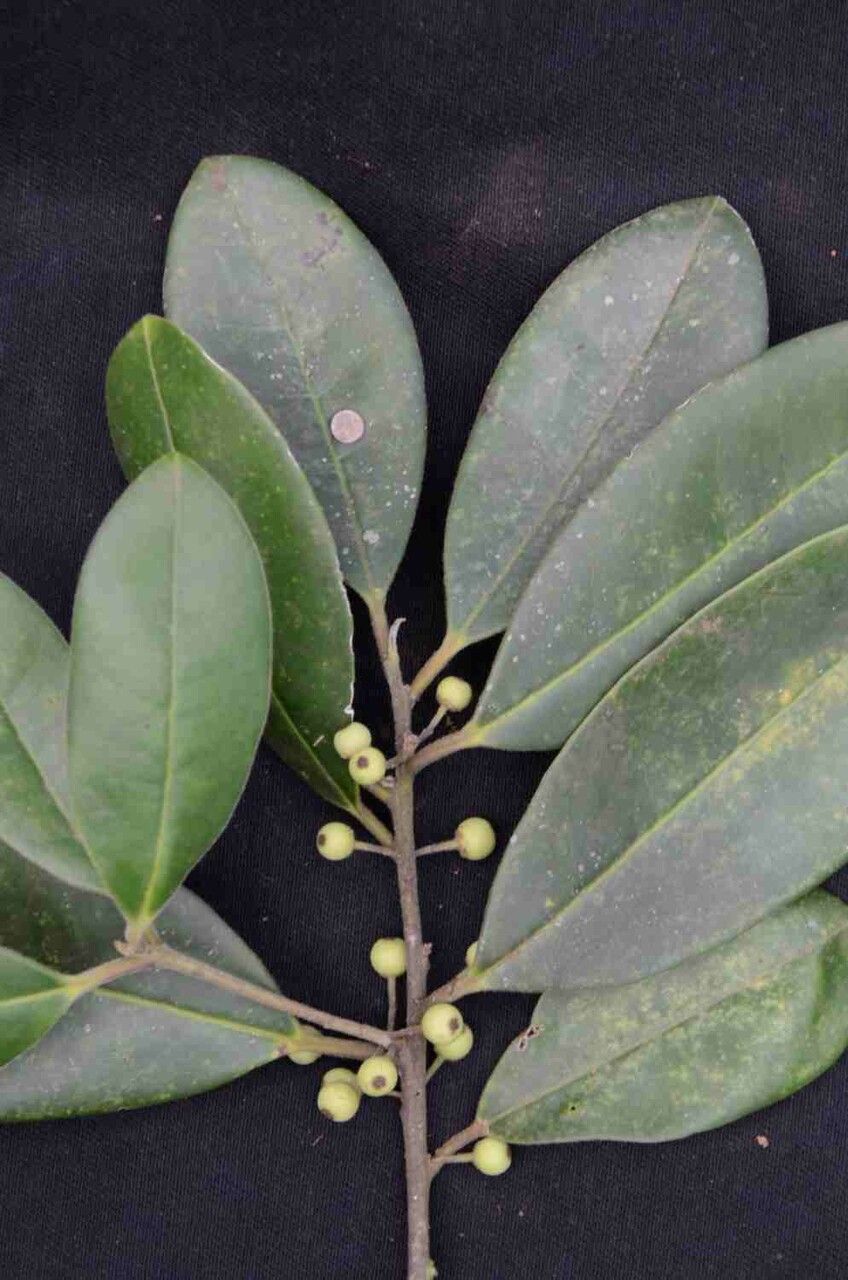
Hello, fellow plant lovers! It’s so lovely to have you here. Today, we’re going to dive into something truly special: propagating Ilex brasiliensis. You know, that beautiful plant often called Brazilian Holly or Yerba Mate? It’s got those glossy, dark green leaves and those delightful red berries that bring such cheer, especially in the cooler months. Growing your own from cuttings or seeds is incredibly satisfying. You get more of these lovely plants for your garden, or even to share with friends! And for those of you just starting out, don’t worry – while it might seem a little daunting, with a bit of patience, you’ll find Ilex brasiliensis is quite forgiving.
The Best Time to Start
My go-to time for propagating Ilex brasiliensis is during the late spring to early summer. This is when the plant is actively putting on new growth, often referred to as semi-hardwood cuttings. The stems are neither too soft and green (which can rot easily) nor too woody and mature (which can be slow to root). It’s that perfect sweet spot where energy is high, and the plant is ready to get down to business.
Supplies You’ll Need
Let’s get our toolkit ready! Having the right gear makes all the difference.
- Sharp Pruning Shears or a Craft Knife: For clean cuts that heal well.
- Rooting Hormone (Optional but Recommended): This stuff really gives your cuttings a boost. Look for one with IBA.
- Well-Draining Potting Mix: A 50/50 blend of peat moss or coco coir and perlite or coarse sand is my favorite. It keeps things from getting soggy.
- Small Pots or Trays: Clean containers are key to preventing disease. Terra cotta is nice because it breathes.
- Plastic Bags or a Propagator with a Lid: To maintain high humidity, which is crucial for cuttings.
- Water: For keeping things moist.
- Labels: To remember what you planted and when!
Propagation Methods
I find that stem cuttings are the most reliable and rewarding way to go for Ilex brasiliensis. Let’s get our hands dirty!
Stem Cuttings:
- Select Your Cuttings: Look for healthy stems that have grown this year. You want pieces that are about 4-6 inches long. You’ll notice a difference between the soft, new tips and the slightly firmer, older growth. Aim for that firmer, but not woody, section.
- Make the Cut: Using your sharp shears or knife, make a clean cut just below a leaf node. This is the point where a leaf attaches to the stem. Roots are more likely to form here.
- Prepare the Cutting: Gently remove the lower leaves from the bottom half of the cutting. This prevents them from rotting in the soil. You can leave a few leaves at the top to help with photosynthesis. If you have very large leaves, you can even cut them in half to reduce water loss.
- Apply Rooting Hormone (Optional): Dip the cut end of the stem into your rooting hormone powder. Tap off any excess.
- Plant Your Cuttings: Fill your pots or tray with your prepared, moist potting mix. Make a small hole in the center with your finger or a pencil. Insert the cuttings into the holes, making sure that the leaf nodes are buried in the soil. Gently firm the soil around the base of each cutting.
- Water Gently: Give them a light watering to settle the soil.
The “Secret Sauce” (Pro Tips)
Here are a few little tricks I’ve picked up over the years that seem to make cuttings thrive:
- Bottom Heat is Your Friend: Ilex brasiliensis loves a bit of warmth from below. Placing your pots on a heated propagation mat can significantly speed up root formation. It encourages those roots to get going while the top is still working on growing.
- Don’t Drown Your Leaves! When you’re watering your cuttings, be careful not to let any leaves sit in puddles of water. This is a surefire way to invite fungal issues and rot. If water collects at the bottom of the tray, tip it out.
- Think Like a Greenhouse: When you cover your cuttings with a plastic bag or put them in a propagator, you’re mimicking a humid environment. This reduces the stress on the cutting because less water is evaporating from the leaves. Open the cover for a few minutes each day to allow for some air circulation and prevent mold.
Aftercare & Troubleshooting
Once your cuttings are planted, they need attention. Keep the soil consistently moist but not waterlogged. The plastic bag or propagator lid will help maintain that crucial humidity. Check them every few days.
The biggest challenge you might face is rot. If you see cuttings turning black and mushy at the base, it’s usually a sign of too much moisture and not enough air circulation. Sadly, these are usually lost causes, so remove them promptly to prevent spreading.
You’ll know your cuttings are taking root when you see new leaf growth or feel a gentle resistance when you lightly tug on them. This can take anywhere from 4 to 12 weeks, so be patient! Once they have a good root system, you can gradually acclimate them to normal conditions by increasing the air circulation and eventually removing the cover for good. Then, it’s time to pot them up into slightly larger individual pots.
A Warm Cup of Encouragement
Propagating plants is a journey, and with Ilex brasiliensis, it’s a wonderfully rewarding one. Don’t be discouraged if your first attempt isn’t a roaring success. Every cutting is a learning opportunity. Take your time, enjoy the process of nurturing these little bits of life, and celebrate every tiny green shoot you see. Happy propagating!
Resource:
https://identify.plantnet.org/k-world-flora/species/Ilex%20brasiliensis%20(Spreng.)%20Loes./data