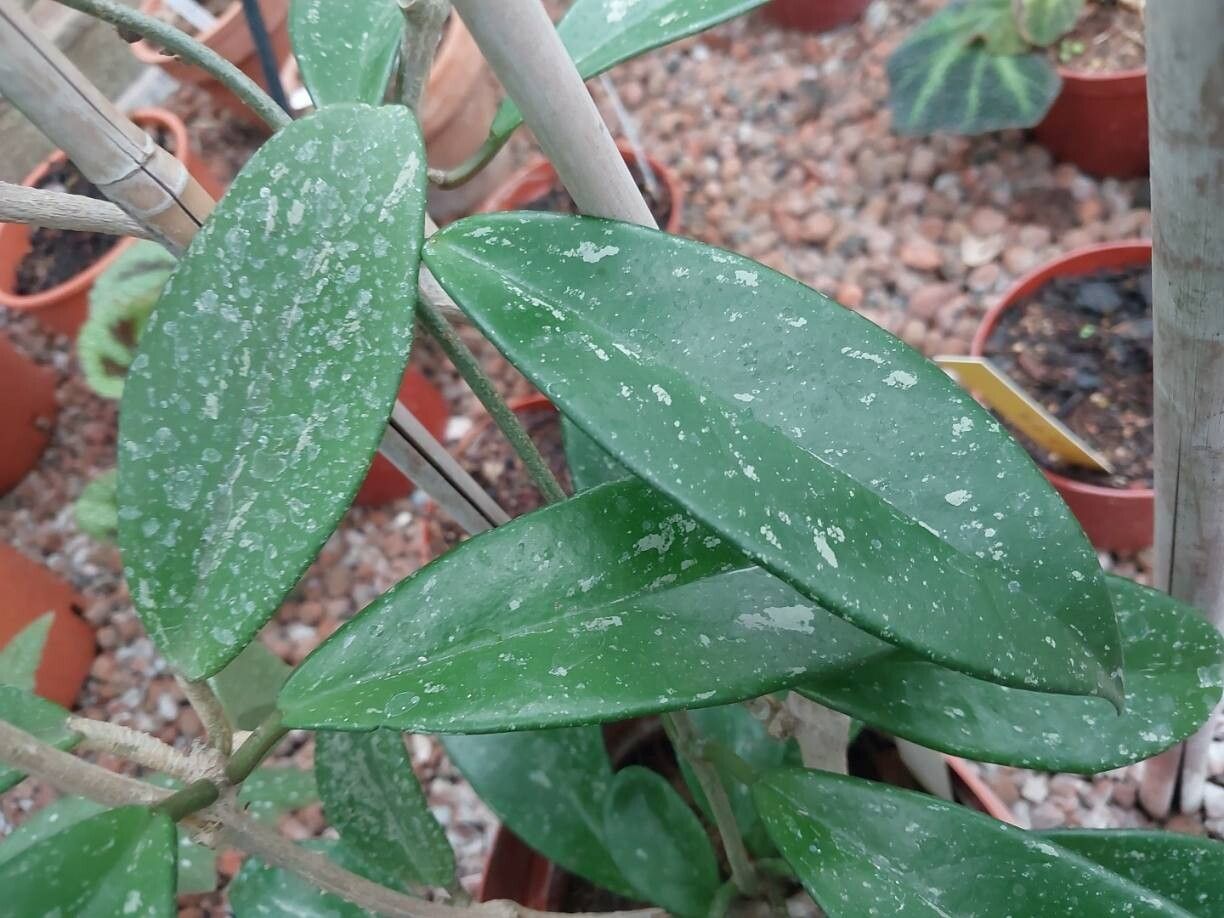
Oh, Hoya purpureofusca! Isn’t she a beauty? That deep, velvety foliage and those stunning, waxy flowers – it’s easy to see why this Hoya has captured so many hearts. The good news for us plant lovers is that propagating Hoya purpureofusca is a wonderfully rewarding endeavor. It’s how you get more of those gorgeous plants to share, to fill out your shelves, or even to gift to friends. Now, I won’t lie, Hoya purpureofusca isn’t the absolute easiest plant for a total beginner to propagate, but with a little patience and these tips, you’ll be well on your way. Think of it as a fun challenge that really pays off!
The Best Time to Start
Honestly, the ideal time to propagate Hoya purpureofusca is during its active growing season. For most of us, that means spring and summer. You’ll see the most vigorous growth then, which translates to cuttings that are more likely to root quickly and successfully. If you can, wait until the plant has a good flush of new growth.
Supplies You’ll Need
Gathering your supplies beforehand makes the whole process so much smoother. Here’s what I always have on hand:
- Sharp Pruning Shears or a Knife: Clean cuts are key for healthy rooting.
- Rooting Hormone (Optional but Recommended): A little powder or gel can give your cuttings a helpful boost.
- Well-Draining Potting Mix: A mix of perlite, orchid bark, and coco coir or peat moss works wonders. Think airy!
- Small Pots or Containers: Whatever you have! Clean yogurt cups with drainage holes work in a pinch.
- Water: For water propagation, of course.
- Clear Plastic Bag or Dome: To create a humid environment for potted cuttings.
Propagation Methods
Let’s get our hands dirty! Here are my go-to methods for Hoya purpureofusca:
1. Stem Cuttings
This is my favorite and most reliable method.
- Select a healthy stem from your Hoya purpureofusca. Look for a stem that’s neither too new and floppy nor too old and woody. Ideally, it should have at least two or three sets of leaves.
- Make a clean cut just below a leaf node. A leaf node is where a leaf attaches to the stem. This is where the magic happens – the roots will emerge from here.
- Remove the lower leaves. Strip off the leaves from the bottom inch or two of the cutting. This prevents them from rotting when they’re in the soil or water.
- Dip the cut end in rooting hormone (if you’re using it). Just a light dusting is all you need.
- Plant your cutting. Fill a small pot with your well-draining potting mix. Make a small hole in the center with your finger or a pencil. Gently insert the cut end of the Hoya cutting into the hole, making sure the leaf nodes are below the soil line.
- Water gently to settle the soil around the cutting.
- Create humidity. Cover the pot with a clear plastic bag (poke a few holes in it) or place it in a propagator to keep the humidity high.
2. Water Propagation
This method is satisfying because you can actually see the roots grow!
- Follow the same steps as above for selecting, cutting, and removing lower leaves from your stem cutting.
- Place the cutting in a clean jar or glass of water. Make sure at least one leaf node is submerged in the water. Crucially, ensure no leaves are touching the water. They will rot if they are.
- Place the jar in bright, indirect light.
- Change the water every few days to keep it fresh and prevent bacteria buildup.
The “Secret Sauce” (Pro Tips)
Over the years, I’ve learned a few little tricks that can really make a difference.
- Don’t rush it! Hoyas are not the fastest propagators. Be patient. Sometimes it takes weeks, even months, to see significant root development. Stick with it!
- Bottom heat is your friend. If you have a seedling heat mat, placing your potted cuttings on it can significantly speed up the rooting process. It mimics the warmth of spring soil.
- Watch for the “plump.” A healthy Hoya cutting that is starting to root will often feel a bit firmer and plumper. It’s a subtle sign, but experienced growers learn to recognize it.
Aftercare & Troubleshooting
Once your cutting has developed a good network of roots (you might see them peeking out of the drainage holes or feel a gentle tug when you lightly pull), it’s time to treat it like a little baby plant.
- If you propagated in water, gently plant your rooted cutting into your well-draining potting mix. Water it in and maintain that high humidity for a week or two until it adjusts to its new environment.
- If you propagated in soil, continue to keep the soil lightly moist and the humidity high. Once you see new growth, you can slowly introduce it to slightly less humid conditions.
- Common problems: The most common issue is rot. If your cutting turns mushy and black, it’s likely rotted. This usually happens from too much moisture and not enough air circulation. If you used water propagation, ensure no leaves are submerged. If you used soil, make sure your mix is super airy and not waterlogged.
A Encouraging Closing
See? It’s not so daunting, is it? Propagating Hoya purpureofusca is a journey, and like any good garden adventure, it’s about the process as much as the destination. Settle in, get your hands dirty, and enjoy watching those tiny roots unfurl. Before you know it, you’ll have a whole new plant to love. Happy propagating!
Resource:
https://identify.plantnet.org/k-world-flora/species/Hoya%20purpureofusca%20Hook./data