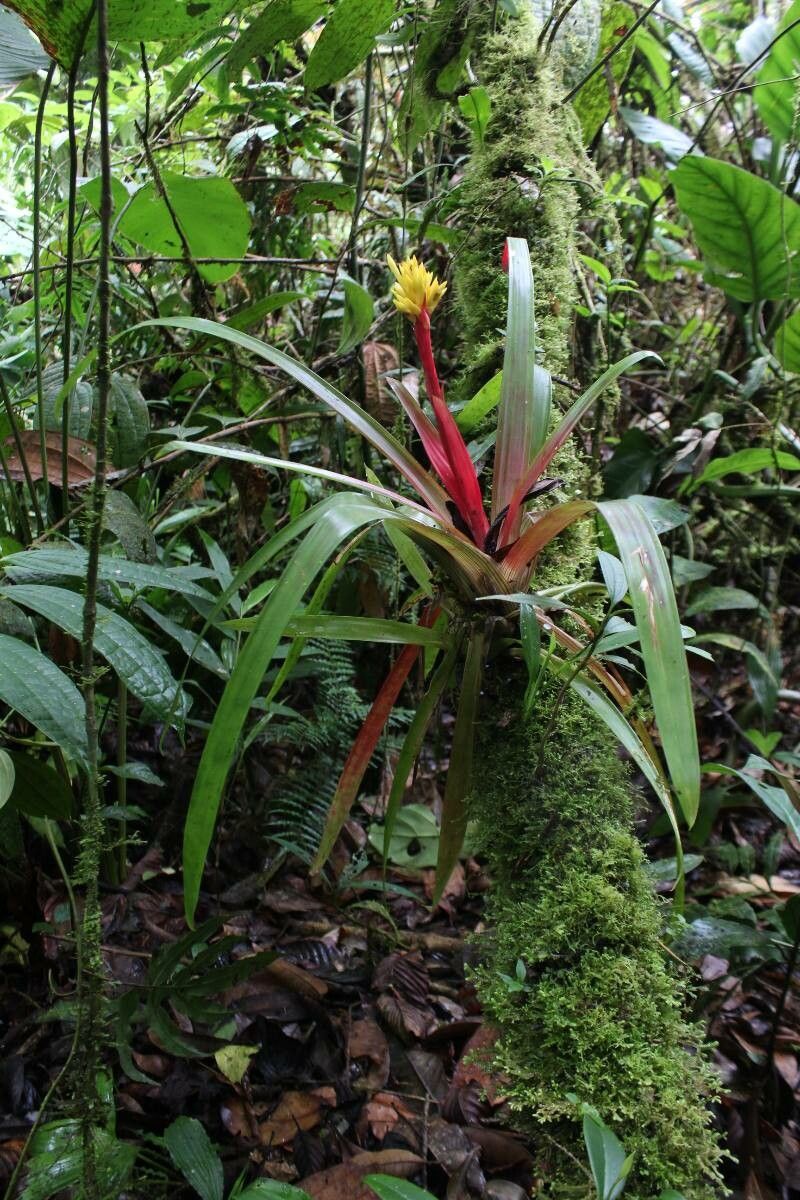
Oh, hello there! Pull up a chair and let’s chat about one of my absolute favorite bromeliads: the Guzmania zahnii. If you’ve ever seen this beauty gracing a friend’s home or a local nursery, you’ll know exactly why I’m so smitten. Its vibrant, star-shaped bracts – often a dazzling red, orange, or yellow – bring such a pop of color and tropical flair. Plus, the way it elegantly holds a little pool of water in its central cup is just fascinating.
Now, the big question: is it tricky to bring new Guzmania zahnii plants into the world? Honestly, they’re not the most straightforward for a complete beginner, but with a little patience and a few key pointers, I’m confident you can absolutely succeed. It’s incredibly rewarding to see those little pups emerge!
The Best Time to Start
My favorite time to begin propagating Guzmania zahnii is after the mother plant has finished its spectacular bloom and has started to send up offsets, or “pups.” Typically, this happens in late spring or early summer. You’ll see these little baby plants emerging from the base of the parent. Waiting for these pups to develop a bit, usually to about a third of the size of the mother plant, gives them a better chance of survival.
Supplies You’ll Need
Before we get our hands dirty, let’s gather our tools:
- Sharp, sterile pruning shears or a clean knife: For cleanly separating the pups.
- Gloves: Bromeliads can have sharp leaves, so protection is a good idea.
- A well-draining potting mix: I like a blend of equal parts perlite, orchid bark, and coco coir. You can also use a specialized bromeliad mix. Avoid standard potting soil; it’s too moisture-retentive.
- Small pots or containers: With drainage holes, of course! Terracotta pots are great because they breathe.
- Rooting hormone (optional but helpful): A powder or gel can encourage faster root development.
- A mister or spray bottle: For keeping humidity levels up.
- Small plastic bags or a propagation dome: To create a mini-greenhouse effect.
Propagation Methods
The most successful way to multiply your Guzmania zahnii is through offset division. This means carefully separating the baby plants that grow from the base of the mature plant.
- Assess your mother plant: Look for the pups growing around the base. They should have a few developed leaves and a good base where they connect to the parent.
- Gently remove the pup: This is the crucial step. Using your sterile knife or shears, make a clean cut close to the base of the pup, ensuring you get as much of its base as possible. If the pup has developed its own tiny roots, that’s a bonus! Sometimes, you might need to carefully tease them apart with your fingers if they’re very young and delicate.
- Prepare the pup: If you’re using rooting hormone, dip the cut end of the pup into the powder or gel. This helps stimulate root growth and can offer some protection against rot.
- Potting up: Fill your small pot with your prepared, well-draining mix. Make a small hole in the center with your finger and gently place the pup’s base into the hole. Firm the mix gently around the base to support the plant. You want the pup to stand upright.
- Initial watering: Water very lightly. Just enough to moisten the potting mix. We don’t want soggy conditions right away.
- Create a humid environment: Place the potted pup inside a clear plastic bag, sealing it loosely, or cover it with a propagation dome. This traps moisture and creates the high humidity that bromeliads love. Place it in a bright spot with indirect light.
The “Secret Sauce” (Pro Tips)
Here are a few things I’ve learned over the years that make a big difference:
- The “Dry Dip” is Your Friend: After you’ve potted your pup, resist the urge to waterlog it. Let the cut end callus over slightly for a day or two before planting, and then water very sparingly initially. This helps prevent bacterial rot, which is the enemy of new cuttings.
- Embrace the Mist: While you don’t want the soil soggy, daily misting of the leaves and the inside of the plastic bag is fantastic for maintaining high humidity without overwatering the roots. Bromeliads are epiphytes at heart; they love moisture in the air.
- A Little Warmth Goes a Long Way: Placing your potted pup on a gentle heating mat specifically designed for seedlings can significantly speed up root formation. Bromeliads appreciate warmth, especially when they’re trying to establish themselves.
Aftercare & Troubleshooting
Once your pup is potted and bagged, patience is key! Check it every few days. Look for signs of new root development – you might see the pup looking a bit more “plump” or even a tiny white root peeking out if you’re using a clear pot.
After about 4-6 weeks, if you see good root growth and the pup feels firm and stable, you can gradually acclimate it to lower humidity. This means slowly opening the plastic bag a little more each day over a week or so before removing it entirely. Continue to water sparingly, only when the top inch of the potting mix feels dry.
What if things go wrong? The most common culprit is rot. If you notice the base of the pup turning mushy and brown, or if it smells off, it’s likely succumbing to rot. This is usually due to overwatering or poor air circulation. Unfortunately, if rot sets in heavily, it’s hard to save. Prevention is truly the best medicine here! If you see a slight bit of leaf tip browning, it’s usually just a sign of dryness, and misting should help.
A Little Bit of Patience, A Lot of Reward
Propagating Guzmania zahnii is a wonderful journey. Don’t get discouraged if your first attempt isn’t perfect. Each plant is a little experiment, and the beauty of gardening is in the learning and the joy of watching something new grow. Enjoy the process, celebrate every new root, and before you know it, you’ll have a whole mini-tropical paradise! Happy gardening!
Resource:
https://identify.plantnet.org/k-world-flora/species/Guzmania%20zahnii%20(Hook.f.)%20Mez/data