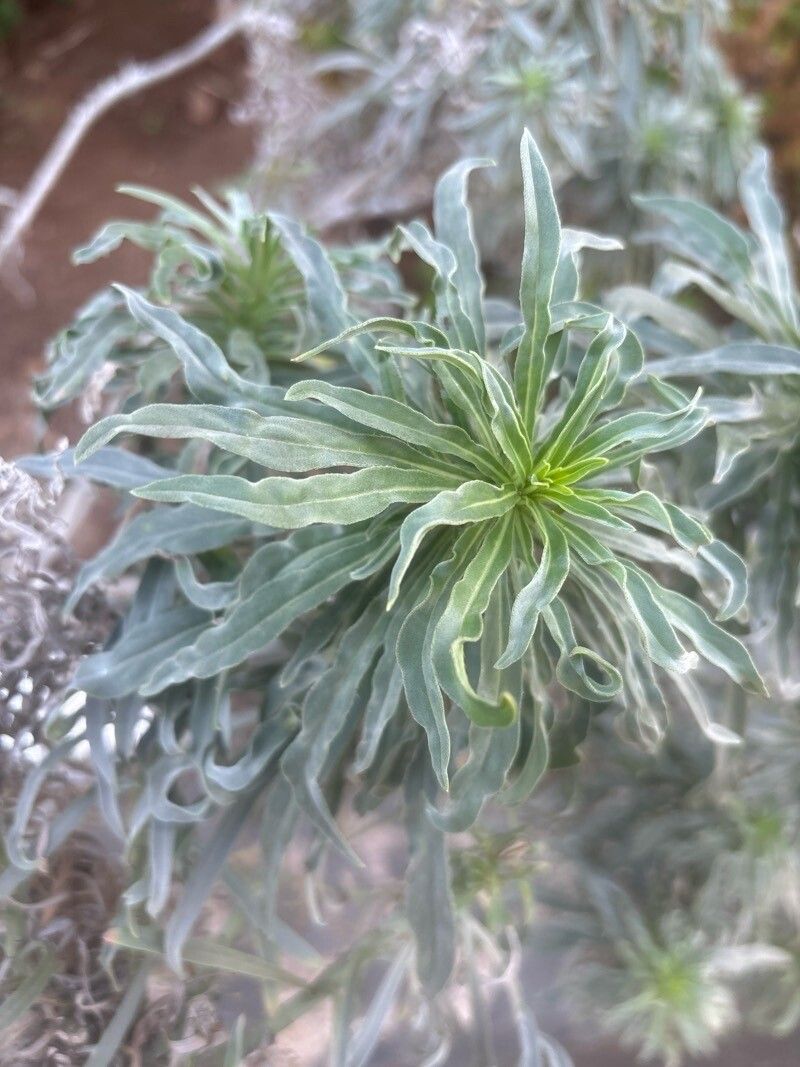
Hello there, fellow garden enthusiasts! grabbed your favorite mug? Let’s chat about one of my absolute favorites: Echium leucophaeum. This striking plant, with its architectural spikes of gorgeous blooms, brings such drama and beauty to any garden. And the best part? You can easily multiply it yourself! Propagating Echium leucophaeum is a wonderfully rewarding process, giving you the chance to share these beauties with friends or simply fill your own space with more of them. Now, is it a walk in the park for a complete newbie? It can be a little fiddly, but with a few key pointers, you’ll be a pro in no time.
The Best Time to Start
For the highest success rate, late spring to early summer is your golden window. This is when the plant is actively growing and has plenty of energy to put into developing new roots. You’re looking for healthy, non-flowering side shoots or stems that are firm but not old and woody. Think of it as capturing the plant at its most vigorous.
Supplies You’ll Need
Here’s what I always have on hand when I’m ready to propagate:
- Sharp, clean pruning shears or a knife: For making clean cuts.
- Rooting hormone powder or gel: This really gives your cuttings a boost.
- Well-draining potting mix: A good blend of perlite and peat moss (or coco coir) works wonders. You want something that won’t hold too much moisture.
- Small pots or seed trays with drainage holes: Clean ones are crucial to prevent disease.
- A spray bottle: For keeping things lightly misted.
- Plastic bags or a propagation dome: To create a humid environment.
- Labels and a pen: So you don’t forget what you’ve planted!
Propagation Methods
The most effective way to multiply Echium leucophaeum is through stem cuttings. It’s simple and yields great results.
- Take Your Cuttings: Using your sharp shears, snip off a healthy side shoot or a tip cutting. Aim for pieces that are about 4-6 inches long. Remove any lower leaves, leaving just a few at the top. If any flower buds have started, pinch them off – you want the plant to focus on roots, not flowers.
- Prepare the Cuttings: Dip the cut end of each stem into your rooting hormone. Tap off any excess. This step is helpful, but don’t worry if you don’t have any; some plants will root without it, just perhaps a bit slower.
- Plant the Cuttings: Fill your small pots with the well-draining potting mix. Make a small hole in the center of the soil with your finger or a pencil. Insert the hormone-coated end of your cutting into the hole, then gently firm the soil around it.
- Create a Humid Environment: Water the soil lightly until it’s moist but not soggy. Then, cover the pot with a plastic bag or place it under a propagation dome. This traps humidity, which is key for cuttings to root. You can also use skewers to prop up the bag so it doesn’t touch the leaves.
The “Secret Sauce” (Pro Tips)
Alright, here are a few tricks I’ve learned over the years that can make a real difference:
- Bottom Heat is Your Friend: If you have it, place your pots on a heat mat. This gentle warmth encourages root development from below, mimicking ideal growing conditions. It’s a game-changer for speedier rooting.
- Don’t Overwater! This is probably the biggest mistake people make. You want the soil to remain consistently lightly moist, not soggy. Overwatering is the express train to rot for cuttings, and Echiums certainly don’t like wet feet.
- Patience with the Peat: When using a mix with peat moss, ensure it’s fully moistened before you take cuttings. Dry peat can create water-repellent pockets. Giving it a good soak and letting it drain is the way to go.
Aftercare & Troubleshooting
Once your cuttings are planted, find them a spot with bright, indirect light. Avoid direct sun, as it can scorch the young leaves. Mist the cuttings lightly every few days, especially if you see the soil drying out.
You’ll know your cuttings are rooting when you see new leaf growth appearing at the top or when you gently tug on a cutting and feel some resistance. This can take anywhere from a few weeks to a couple of months.
The most common problem is rot. If you notice your cuttings turning black and mushy, or if leaves start to yellow and drop off rapidly, it’s usually a sign of too much moisture or insufficient air circulation. If this happens, pull out the affected cutting, discard it to prevent spreading disease, and check the moisture levels of your remaining cuttings.
A Little Encouragement
Propagating plants is a journey, not a race. Be patient with your little Echium cuttings. Celebrate every bit of new growth, and don’t get discouraged if a few don’t make it. Each attempt is a learning experience, and soon you’ll be a seasoned Echium propagator, brimming with new plants to admire and share. Happy gardening!
Resource: