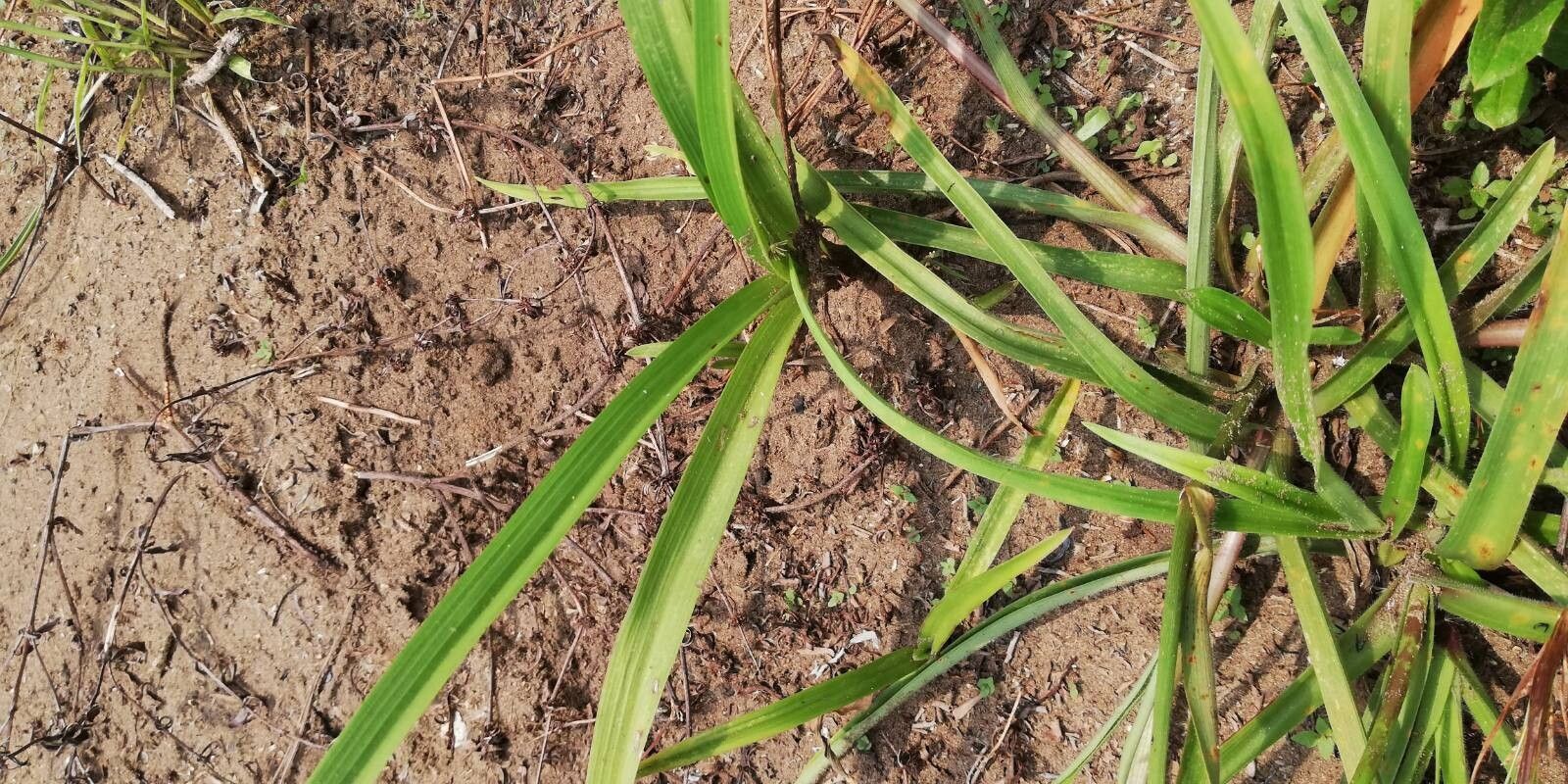
Hey there, fellow plant enthusiasts! I’m so excited to chat with you today about a plant that has truly captured my heart: Cyanotis longifolia. If you’ve ever seen this beauty, with its fuzzy, arching leaves that shimmer with a silvery-blue hue, you know exactly what I’m talking about. It’s a real showstopper, adding a touch of understated elegance to any space. And the best part? It’s surprisingly rewarding to propagate!
Many people think propagating can be tricky, but Cyanotis longifolia is actually quite forgiving. I’d say it’s a fantastic plant for beginners looking to dip their toes into the world of plant propagation. Getting more of these gorgeous plants without having to buy them? That’s a gardener’s dream come true!
The Best Time to Start
When it comes to getting the highest success rate, spring is your absolute best friend for propagating Cyanotis longifolia. Think of it as their natural growth spurt period. After a restful winter, they’re full of vigor and ready to put out new shoots. You can also have success in early summer, but I find the established growth from spring offers the most robust cuttings.
Supplies You’ll Need
Gathering your tools ahead of time makes the whole process smooth sailing. Here’s what I usually have on hand:
- Sharp pruning shears or a clean knife: For making clean cuts.
- Potting mix: A well-draining mix is crucial. I love a blend of perlite, coco coir, and a bit of potting soil. You can also buy specialized succulent or cactus mixes.
- Small pots or trays: Clean containers with drainage holes are a must.
- Rooting hormone (optional but helpful): This encourages faster root development. Gel or powder works great.
- Watering can or spray bottle: For gentle watering.
- Plastic bag or humidity dome: To maintain moisture levels.
Propagation Methods
Cyanotis longifolia is wonderfully versatile, and I find a couple of methods work particularly well.
Stem Cuttings
This is my go-to method. It’s straightforward and usually yields fantastic results.
- Take your cuttings: Look for healthy, actively growing stems on your mature plant. Using your sharp shears or knife, take cuttings that are about 4-6 inches long. Try to find ones with at least a few sets of leaves.
- Prepare the cuttings: Gently remove the lower leaves from the bottom inch or so of the stem. This prevents them from rotting when you plant them.
- Apply rooting hormone (optional): If you’re using rooting hormone, dip the cut end of the stem into the powder or gel. Tap off any excess.
- Plant the cuttings: Fill your small pots with your prepared potting mix. Make a small hole in the center with your finger or a pencil. Gently insert the cut end of the stem into the hole, ensuring the nodes (where you removed the leaves) are buried. Firm the soil gently around the stem.
- Water and cover: Water the soil lightly to settle it. Then, cover the pot with a plastic bag or a humidity dome to create a mini greenhouse environment. This keeps the humidity high, which new cuttings desperately need.
Division
If your Cyanotis longifolia is getting a bit crowded in its pot, or you notice multiple stems growing from the base, division is an excellent option.
- Remove the plant from its pot: Gently tip the pot on its side and ease the plant out. If it’s stuck, you might need to run a knife around the edge.
- Gently tease apart the roots: Look for natural divisions where the root ball splits into separate sections. You can often gently pull the plant apart with your hands. If it’s a bit stubborn, use a clean, sharp knife or trowel to help separate the sections, making sure each new division has roots attached.
- Pot up the new divisions: Plant each division into its own pot filled with fresh, well-draining potting mix.
- Water lightly: Give them a gentle watering to help them settle in.
The “Secret Sauce” (Pro Tips)
Here are a few things I’ve learned over the years that often make a big difference.
- Don’t be afraid to lose a few. It’s part of the learning process! Sometimes cuttings just don’t take, and that’s okay. Focus on your successes.
- Bottom heat is your friend. If you have a heat mat designed for seedlings or cuttings, placing your pots on it can significantly speed up root development. Cyanotis longifolia loves a bit of warmth from below.
- Watch for wilting, but don’t overwater. New cuttings don’t have established roots yet, so they can dehydrate quickly. The humidity dome helps, but if you see wilting, give them a very light watering. Overwatering is the quickest way to invite rot.
Aftercare & Troubleshooting
Once your cuttings have rooted – you can check by gently tugging on the stem; if there’s resistance, you have roots! – it’s time to transition them.
- Remove the humidity dome gradually. First, poke a few holes in the plastic bag, then leave it off for longer periods each day over a week. This helps them acclimate to normal humidity.
- Water when the top inch of soil feels dry. Continue to use a well-draining mix.
- Provide bright, indirect light. Avoid harsh, direct sunlight, which can scorch their delicate leaves.
The most common problem you might encounter is rot. This usually happens if the soil stays too wet, or if the leaves are constantly touching the moist soil. If you see mushy stem bases or blackened leaves, unfortunately, that cutting is likely lost. Remove it immediately to prevent it from affecting other cuttings.
A Little Patience Goes a Long Way
Propagating Cyanotis longifolia is a journey. There will be moments of anticipation, and maybe a few hiccups along the way, but believe me, the reward of seeing those little roots take hold and new growth emerge is incredibly satisfying. Be patient, enjoy the process, and soon you’ll have a whole collection of these beautiful plants to share or cherish. Happy propagating!
Resource:
https://identify.plantnet.org/k-world-flora/species/Cyanotis%20longifolia%20Benth./data