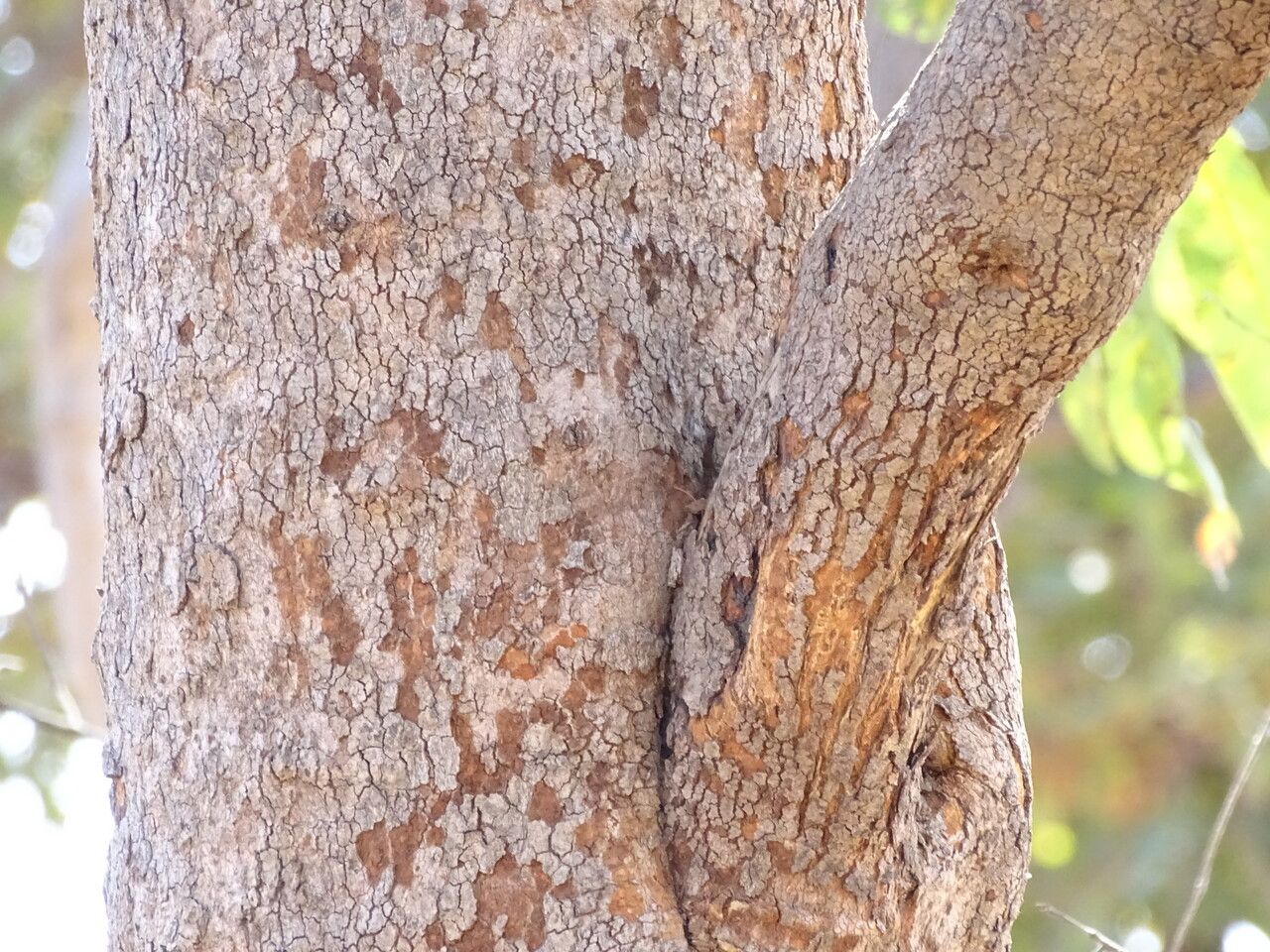
Oh, hello there! Come on in, grab a mug. Let’s chat about the absolutely stunning Combretum nigricans, or as some of us fondly call it, the Rusty Bush Willow. If you’ve ever seen its intricate clusters of creamy white flowers, often dusted with a lovely coppery hue as they age, you’ll understand why it captures hearts. And the best part? Bringing that beauty into your own garden, or sharing it with friends, through propagation is incredibly rewarding. Now, for beginners, I’d say Combretum nigricans leans more towards moderately easy. It’s not as foolproof as a pothos, but with a little patience and the right approach, you’ll be celebrating success.
The Best Time to Start
For the highest chance of success, I always reach for my secateurs in late spring or early summer. This is when the plant is actively growing, putting out those lovely new shoots that are perfect for taking cuttings. You want to look for stems that are still a bit soft and pliable, not fully woody and mature. Think of it as capturing that youthful energy!
Supplies You’ll Need
To get your Combretum nigricans cuttings off to a flying start, here’s what I find most helpful:
- Sharp pruning shears or secateurs: Clean cuts are crucial for preventing disease.
- Rooting hormone: This can give your cuttings a significant boost. I usually opt for a powder form.
- Well-draining potting mix: A good blend for me is equal parts perlite, peat moss, and coarse sand. You can also use a dedicated seed-starting mix.
- Small pots or trays: Clean pots with drainage holes are a must.
- Plastic bags or a humidity dome: To keep the humidity high around your cuttings.
- Watering can with a fine rose: Gentle watering is key.
- Labels and a marker: Don’t forget to label what you’ve propagated and when!
Propagation Methods
The most reliable way I’ve found to propagate Combretum nigricans is through stem cuttings. Here’s how I do it:
- Take Your Cuttings: Head out to your plant in late spring or early summer. Select healthy, semi-ripe shoots that are about 4-6 inches long. Using your clean secateurs, take the cuttings just below a leaf node. A leaf node is where a leaf meets the stem; this is where the magic happens for root development.
- Prepare the Cuttings: Gently remove the lower leaves from the cutting, leaving just a few at the very top. This reduces water loss. If you’re using them, dip the cut end into your rooting hormone, tapping off any excess.
- Plant Them Up: Fill your clean pots with your well-draining potting mix. Make a small hole in the center of the mix with a pencil or your finger. Carefully insert the cut end of the cutting into the hole, ensuring the leaf nodes you removed are below the soil surface. Gently firm the soil around the cutting.
- Create a Humid Environment: Water the soil gently. Then, cover the pot with a clear plastic bag or place it inside a propagator with a lid. This is to create a mini-greenhouse effect, keeping the humidity high, which is vital for cuttings while they establish roots.
The “Secret Sauce” (Pro Tips)
Now, for a couple of little tricks I’ve picked up over the years:
- Bottom Heat is Your Friend: If you have one, placing your pots on a heated propagator mat can really speed things up. It encourages root development from below, giving your cuttings that extra push.
- Watch for the “Wiggle”: When you think your cuttings might have rooted, give one a very gentle tug. If you feel any resistance, that’s a good sign roots have formed! Don’t be tempted to pull them out to check too often – you’ll disturb any developing roots.
- Don’t Overcrowd: Give your cuttings a bit of breathing room. Overcrowding can lead to poor air circulation and increase the risk of fungal issues.
Aftercare & Troubleshooting
Once you see new growth appearing on your cuttings, that’s a fantastic sign! You can start to gradually acclimatize them to normal conditions by opening the plastic bag a little more each day. Continue to keep the soil consistently moist but not waterlogged.
The main thing to watch out for is rot. If your cuttings look limp, mushy, or have developed dark, soft spots, it’s usually a sign of too much moisture and poor air circulation. This is why that well-draining mix and good ventilation are so important. If you catch it early, you might be able to save a cutting by re-potting it in fresh, drier mix and ensuring better airflow.
A Encouraging Closing
So there you have it! Propagating Combretum nigricans is a wonderful journey. Be patient with your little green charges, and don’t be discouraged if not every cutting makes it. Every gardener has their share of mishaps! The joy of watching new life emerge from a simple stem cutting is truly special. Happy propagating, and I can’t wait to hear about your successes!
Resource: