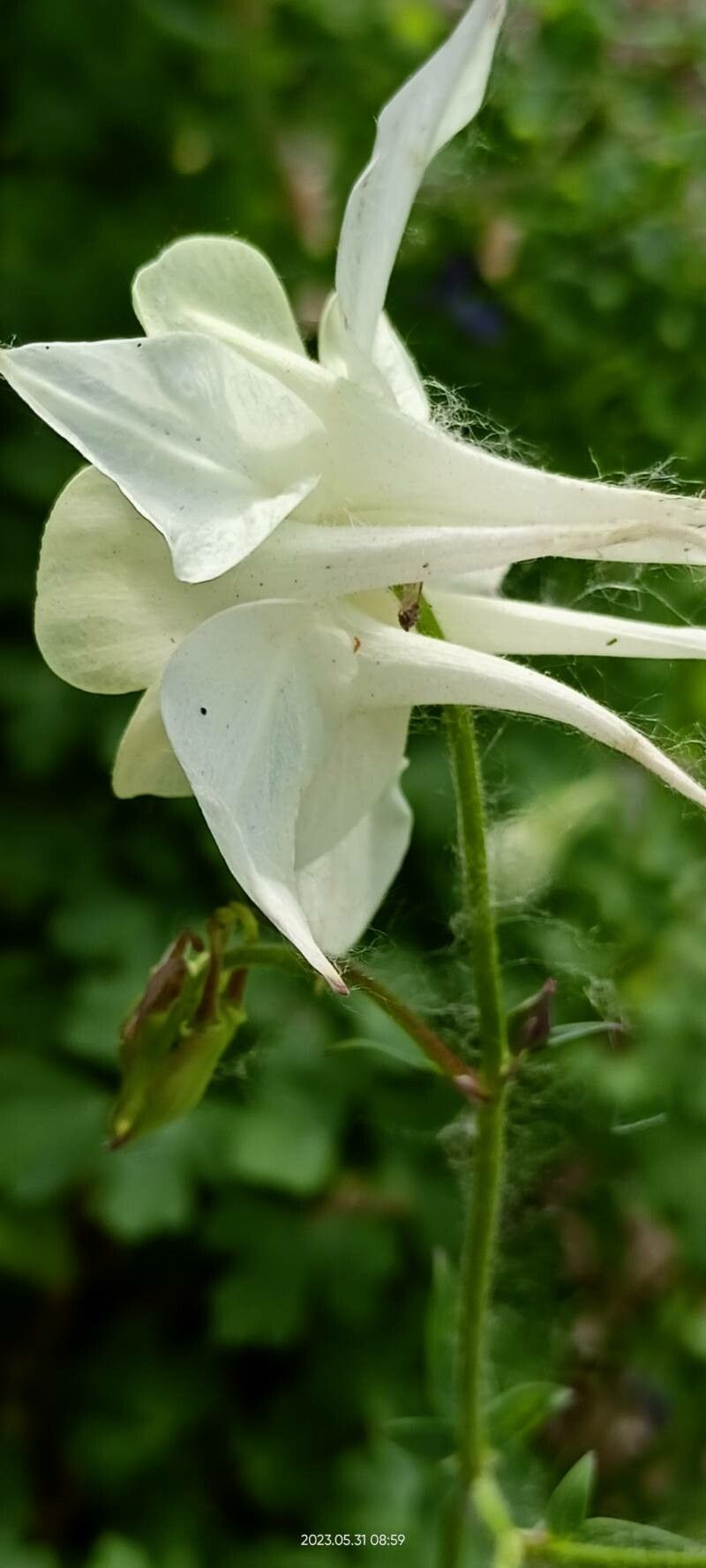
Well hello there, fellow garden enthusiasts! Today, I want to chat about a particularly charming member of the columbine family: Aquilegia pubescens. You know, the one with those delicate, woolly leaves and often enchanting, bell-shaped flowers. They add such a lovely, almost ethereal touch to a garden, don’t they? Propagating them is incredibly rewarding because you can soon fill your own garden, or share these beauties with friends. Now, when it comes to Aquilegia pubescens, I’d say it’s a moderately easy plant to propagate. It’s not quite as stubborn as some more finicky varieties, but it does appreciate a little know-how.
The Best Time to Start
The sweetest spot for propagating Aquilegia pubescens is generally in late spring or early summer. Think about when the plant is actively growing, putting out new shoots and energy. This is usually after the main show of blooms has faded or is just concluding. You want to work with healthy, vigorous material. Trying to take cuttings or divide when the plant is dormant or stressed isn’t going to give you the best results.
Supplies You’ll Need
Here’s what I usually have on hand when I’m ready to get propagating:
- Sharp pruning shears or a clean knife: For making precise cuts. Sterilize them with rubbing alcohol between uses!
- Well-draining potting mix: A blend of peat moss or coir, perlite, and a bit of compost is excellent. I often use a mix specifically for seedlings or cuttings.
- Small pots or trays: With drainage holes, of course. Yogurt cups with holes poked in the bottom work in a pinch!
- Rooting hormone (optional but recommended): This gives cuttings a helpful boost to start forming roots.
- Watering can with a fine rose attachment: For gentle watering.
- Plastic bag or humidity dome: To keep cuttings moist.
- Labels: So you don’t forget what you planted where!
Propagation Methods
For Aquilegia pubescens, I find division to be the most straightforward and reliable method.
Method: Division
This is best done when the plant is actively growing, as I mentioned, but before it gets too hot.
- Gently excavate: With your trowel or spade, carefully dig around the base of your established Aquilegia pubescens plant. You want to lift the entire root ball with as little disturbance to the roots as possible.
- Shake off excess soil: A gentle shake will reveal the crown and the root system. You’ll likely see where the plant naturally wants to split into several smaller sections, each with its own shoots and roots.
- Divide the plant: Using your fingers or a clean, sharp knife, carefully pull or cut the plant into sections. Aim for sections that have at least a few healthy shoots and a good portion of roots. Don’t be afraid to get in there – the plant is surprisingly resilient. If you have a particularly large clump, you might even be able to divide it into many small plants.
- Replant immediately: Pot up each division into its new home. Use your well-draining potting mix, ensuring the crown of the plant is at soil level. Water them in gently but thoroughly.
While division is my go-to, you can try stem cuttings from young, non-flowering shoots in late spring. Take a cutting about 4-6 inches long, remove the lower leaves, dip the cut end in rooting hormone, and pop it into your prepared potting mix. Cover with a plastic bag to maintain humidity and place in a bright spot out of direct sun. Be patient, as rooting can take several weeks.
The “Secret Sauce” (Pro Tips)
Here are a couple of things I’ve learned over the years that really make a difference:
- Don’t overwater the divisions: While they need moisture to establish, soggy soil is the enemy and can lead to rot. Let the top inch of soil dry out slightly between waterings.
- Mimic the parent plant’s environment: Aquilegia pubescens often prefers a slightly cooler, dappled shade location. When you replant your divisions, try to give them similar conditions, especially in the initial stages of establishment. This helps them adjust more easily.
Aftercare & Troubleshooting
Once your divisions are happily nestled in their new pots, keep them consistently moist, but not waterlogged. Place them in a spot with bright, indirect light. If you used stem cuttings, that covering of a plastic bag is crucial for humidity. You’ll know they’re settling in when you see new leaf growth appearing.
The most common issue you might encounter is rot, which is usually a sign of too much moisture. If you see leaves yellowing and becoming mushy at the base, or if a cutting just seems to wither away without rooting, it’s often due to soggy conditions or poor drainage. Make sure your soil is airy, and always err on the side of slightly drier rather than too wet.
A Encouraging Closing
Propagating your beloved Aquilegia pubescens is such a wonderful way to expand your garden’s beauty. Remember to be patient – nature has its own pace. Enjoy the process, learn from each little plant you nurture, and before you know it, you’ll have a delightful collection of these charming columbines! Happy gardening!
Resource:
https://identify.plantnet.org/k-world-flora/species/Aquilegia%20pubescens%20Coville/data