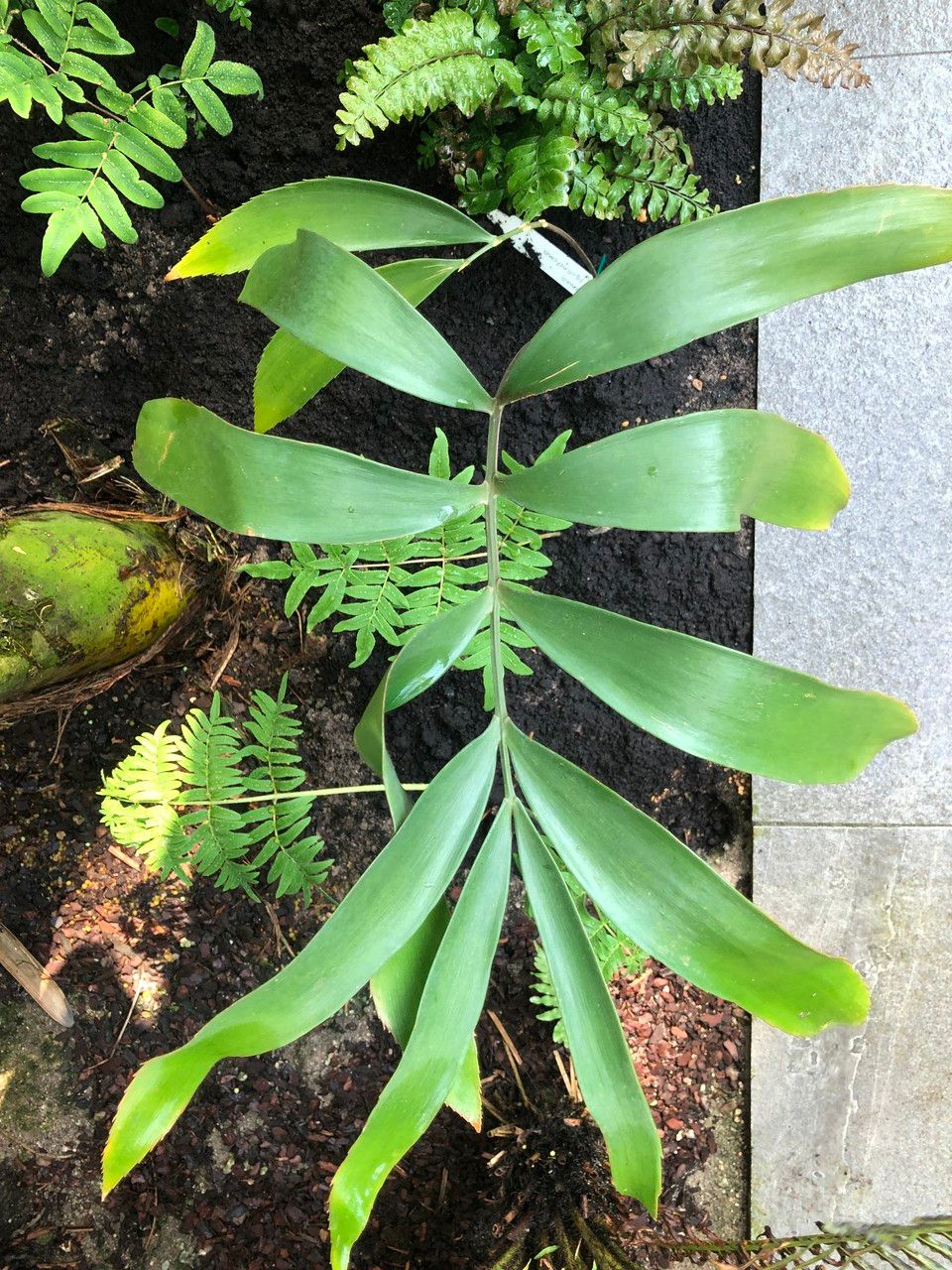
Hello there, fellow plant enthusiast! Today, we’re going to delve into the fascinating world of Zamia lacandona. If you’re not familiar, imagine a living fossil, a cycad with a rugged, ancient charm that brings a touch of the prehistoric to your home or garden. Their architectural fronds are simply stunning, and successfully propagating one feels like a real accomplishment. This isn’t a plant for the absolute beginner, mind you, but with a little care and attention, it’s definitely achievable. The reward of seeing a new Zamia sprout from your efforts is immense!
The Best Time to Start
For Zamia lacandona, the sweet spot for propagation is during its active growing season, which typically falls in the late spring through summer. You’ll want to wait until the plant is producing new growth. This is when the plant has the most energy to dedicate to root development. Trying to propagate when the plant is dormant is like asking someone to run a marathon after a long nap – they’re just not ready!
Supplies You’ll Need
Gathering your supplies beforehand makes the whole process smoother. Here’s what I usually have on hand:
- Sharp Pruning Shears or a Clean Knife: For making clean cuts. Sanitize them between cuts to prevent disease.
- Well-Draining Potting Mix: A mix of coarse perlite, orchid bark, and a touch of peat moss works wonders. You want it to drain like a sieve.
- Small Pots or Containers: Clean, with drainage holes, of course. I like terracotta for its breathability.
- Rooting Hormone (Optional but Recommended): A powder or gel will give your cuttings a helpful boost.
- Clear Plastic Bags or a Propagation Dome: To create a humid environment.
- Watering Can or Spray Bottle: For gentle watering.
- Gloves: If you have sensitive skin, some plants can cause irritation.
Propagation Methods
Zamia lacandona is most commonly propagated through division, and sometimes, if you’re lucky and have a mature specimen, you might find pups (offsets) at the base of the main plant. Stem cuttings are less common and can be trickier.
Method: Division
This method involves carefully separating smaller plantlets, called pups, from the mother plant.
- Inspect Your Zamia: Look for smaller growth points emerging from the base of the main trunk. These are your pups. They should have their own small clump of roots.
- Gently Excavate: If the pups are buried, carefully use a trowel or your hands to expose them.
- Make the Cut: Using your sharp, sanitized pruning shears or knife, make a clean cut as close to the mother plant as possible, ensuring you’re taking a pup with a good root system. Try to disturb the mother plant as little as possible.
- Prepare the Pup: If the pup has any damaged leaves, trim them off. You can also dip the cut end in rooting hormone if you’re using it.
- Potting Up: Fill your small pot with your well-draining mix. Plant the pup, ensuring the base is at soil level. Water gently.
- Create Humidity: Cover the pot with a clear plastic bag or place it under a propagation dome. This keeps the humidity high while the pup establishes itself.
The “Secret Sauce” (Pro Tips)
- Don’t Overwater the New Divisions: This is probably the biggest mistake people make. New divisions don’t have a developed root system yet, so they can’t take up much water. Let the soil dry out slightly between waterings. Trust me, a little underwatering is better than overwatering at this stage.
- Bottom Heat is Your Friend: If you’re propagating in a cooler period, even during summer, placing your pots on a gentle warming mat can significantly speed up root development. Cycads love a bit of warmth on their undersides.
- Patience is Paramount: Zamia lacandona is a slow grower, and propagation is no exception. Don’t expect to see dramatic changes overnight. It can take several weeks, sometimes months, for new roots to fully establish.
Aftercare & Troubleshooting
Once you’ve potted up your new division, keep it in a spot with bright, indirect light. Avoid direct sun, which can scorch young leaves. The plastic bag can usually be removed after a few weeks, or when you see signs of new growth.
The main signs of trouble to watch out for are rot. If the soil stays soggy, you’ll see the base of the pup turn mushy and black. This is usually a sign of overwatering and poor drainage. If you spot this, try to remove the affected part with a clean knife and repot in fresh, dry soil. Sometimes, a plant just can’t be saved, and that’s okay. We learn from every plant adventure.
A Encouraging Closing
So there you have it! Propagating Zamia lacandona might take a bit of patience, but seeing your own little piece of ancient beauty thrive is incredibly rewarding. Don’t be discouraged if your first attempt doesn’t yield a forest of new plants. Every gardener has had plants that didn’t make it. The key is to keep learning, keep trying, and most importantly, enjoy the process of nurturing life. Happy propagating!
Resource:
https://identify.plantnet.org/k-world-flora/species/Zamia%20lacandona%20Schutzman%20&%20Vovides/data