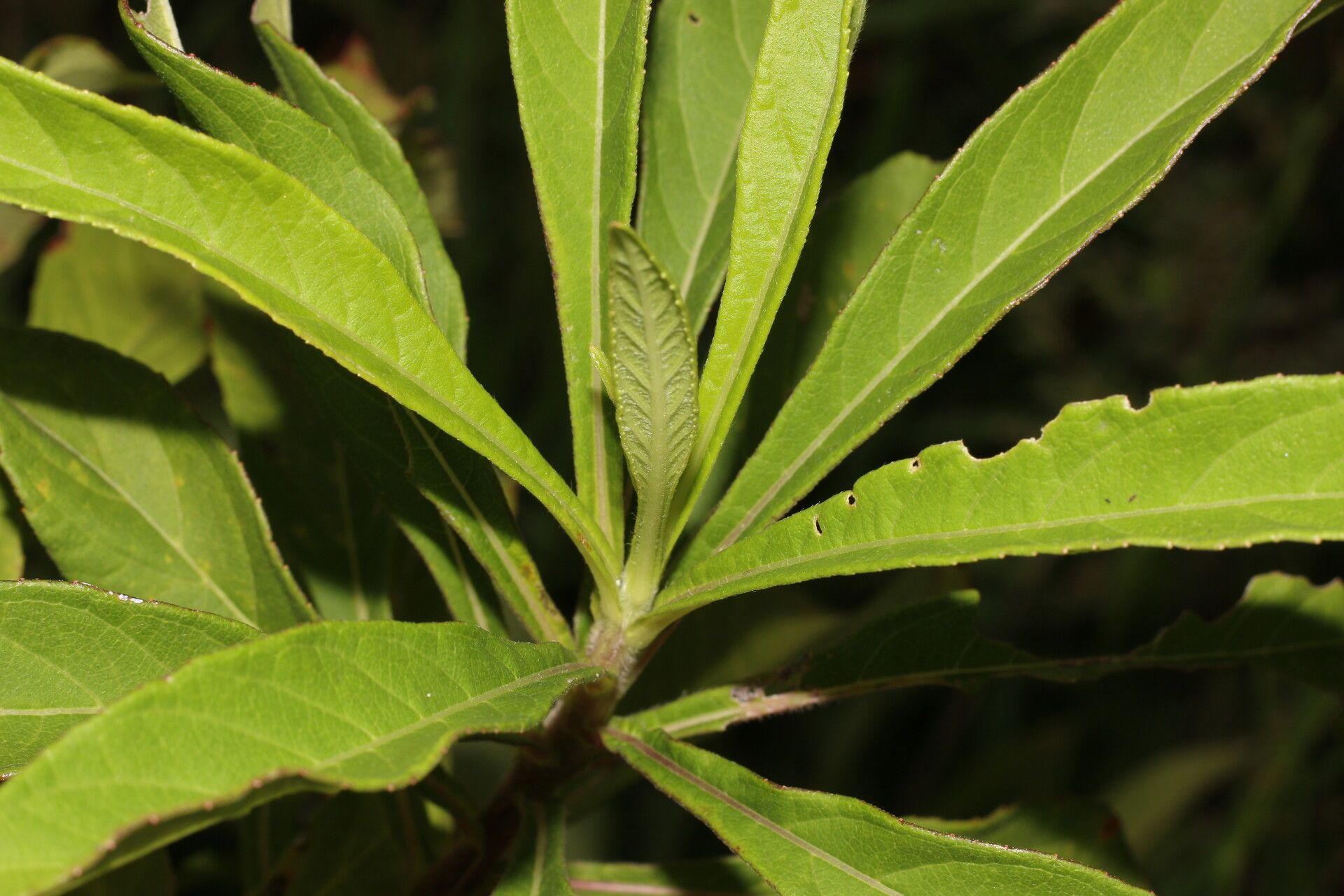
Ah, Verbesina pallens! If you’ve ever seen this beauty gracing a garden, you’ll understand why I’m so keen on sharing how to bring more of it into your life. Its delicate white flowers, often dusted with a hint of yellow, are like little stars sparkling against its lovely foliage. And the best part? They’re surprisingly generous with their offspring! Propagating them yourself is incredibly satisfying, and honestly, I find it quite forgiving, even for those just starting their plant-parenting journey.
The Best Time to Start
For Verbesina pallens, spring is absolutely your golden ticket. Aim to propagate while the plant is actively growing, usually after the last frost has passed but before the intense heat of summer sets in. You’re looking for healthy, new growth – not the woody old stems, but those tender, vibrant shoots.
Supplies You’ll Need
Gathering your tools beforehand makes the whole process so much smoother. Here’s what I always have on hand:
- Sharp, clean pruning shears or a sharp knife: Essential for making clean cuts.
- Rooting hormone (optional but recommended): Gives your cuttings a little boost. I prefer the powder form.
- A well-draining potting mix: A good base is crucial. I usually mix equal parts potting soil and perlite, or use a commercial seed-starting mix.
- Small pots or trays: Anything that will hold your mix and cuttings. Yogurt cups with drainage holes poked in work in a pinch!
- A clear plastic bag or dome: To create a humid environment for your cuttings.
- Watering can or spray bottle: For gentle watering.
Propagation Methods
Verbesina pallens is a gem because it’s amenable to a couple of different approaches. I find stem cuttings to be the most reliable.
Stem Cuttings:
- Select your material: Look for healthy stems that are a few inches long and have developing leaves. Avoid flowering stems, as the plant will put its energy into blooms rather than roots.
- Make the cut: Using your clean shears or knife, make a firm, clean cut just below a leaf node (where a leaf attaches to the stem). This is where the magic of root development often happens.
- Prepare the cutting: Gently remove any lower leaves, leaving just the top couple of leaves. This prevents them from rotting once planted. If your cutting is particularly long, you can pinch off the very tip to encourage bushier growth later.
- Apply rooting hormone (optional): Dip the cut end of the stem into the rooting hormone, tapping off any excess.
- Plant your cutting: Make a small hole in your prepared potting mix with your finger or a pencil. Insert the cutting so the leaf nodes are buried. Gently firm the soil around it.
- Water and cover: Give the soil a gentle watering to settle it in. Then, place the pot into a clear plastic bag, sealing it loosely, or cover it with a clear dome. This creates a mini-greenhouse, keeping the humidity high, which is vital for cuttings.
The “Secret Sauce” (Pro Tips)
There are a few little tricks I’ve learned over the years that really help your Verbesina cuttings thrive:
- Don’t overcrowd your pots: Give each cutting a little breathing room. If they’re too close, they can create too much shade and even encourage fungal issues.
- Bottom heat is your friend: If you happen to have a heat mat designed for seedlings, placing your pots on it can significantly speed up root formation. It mimics that lovely warm soil feeling that plants adore.
- Mist regularly, but don’t soak: Especially before you see roots forming, a light misting of the leaves every day or two can keep them from drying out while they’re working on those roots.
Aftercare & Troubleshooting
Once your cuttings are happily nestled in their new homes, keep them in a bright, indirect light spot. Avoid direct sun, which can scorch those tender new leaves. Check the soil moisture regularly – it should be consistently moist but never soggy.
You’ll know roots are forming when you gently tug on a cutting and feel resistance, or you might even see tiny roots peeking out of the drainage holes. Once roots are established, you can slowly acclimate them to normal air by opening the plastic bag a little each day. Gradually transition them to their own pots and treat them like you would a young plant.
The most common issue you might encounter is rot. This usually happens if the soil is too wet or the humidity is too high without enough air circulation. If you see a cutting turning black and mushy, it’s best to remove it to prevent it from spreading. Don’t get discouraged! Sometimes things just don’t work out, and that’s part of the learning process.
A Encouraging Closing
So there you have it! Propagating Verbesina pallens is a rewarding little project. Be patient, enjoy the process of nurturing these tiny new lives, and soon you’ll be sharing these lovely plants with friends or filling your own garden with their airy charm. Happy growing!
Resource:
https://identify.plantnet.org/k-world-flora/species/Verbesina%20pallens%20Benth./data