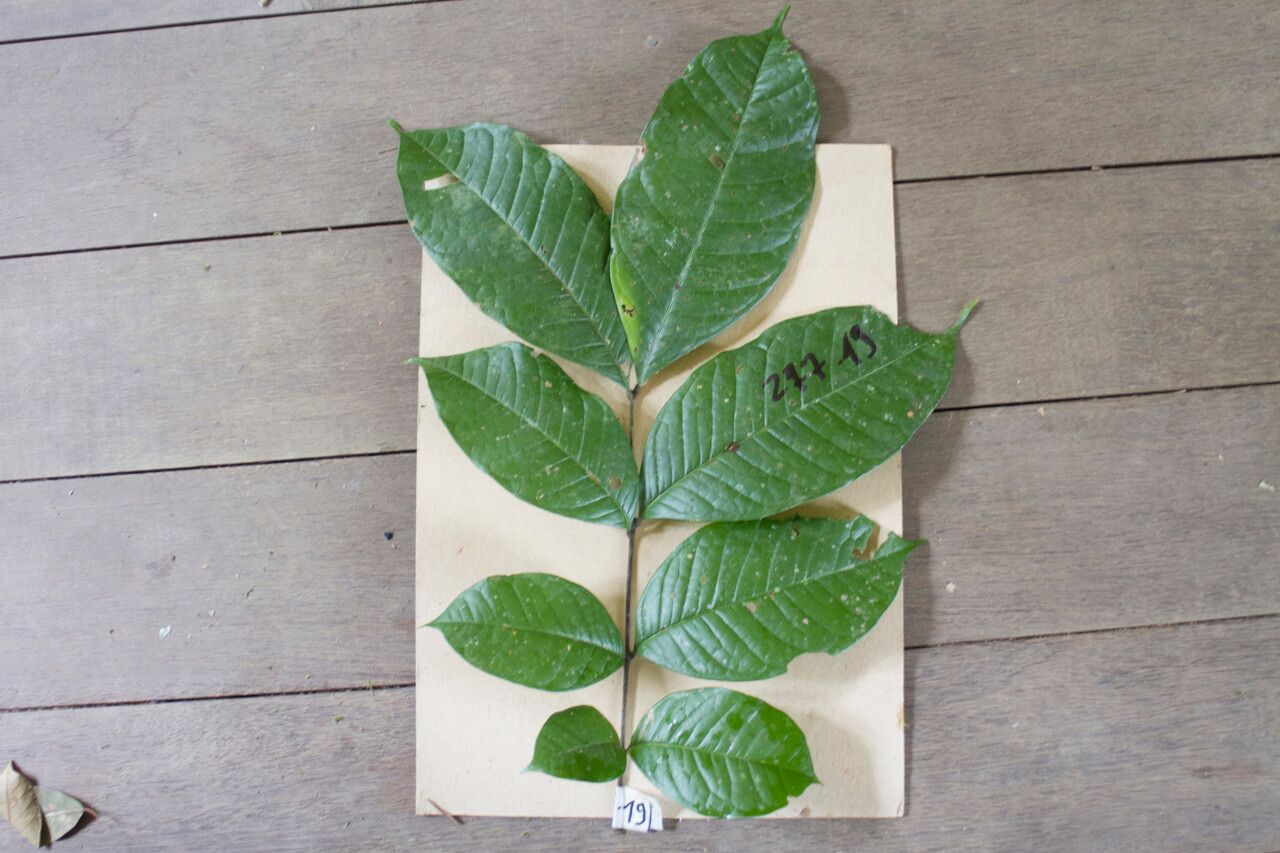
Oh, hello there! Grab yourself a mug of something warm, because today we’re diving into the wonderful world of Talisia sylvatica. If you’ve ever admired its glossy leaves and the promise of delicious fruit (yes, the fruits are edible and quite delightful!), then you’re in for a treat. Propagating this gem is a journey of patience and observation, and I’m so excited to share my experience with you.
Why You’ll Love Propagating Talisia Sylvatica
There’s something incredibly satisfying about taking a tiny piece of a plant you love and coaxing it into a whole new life. With Talisia sylvatica, it’s like duplicating that joy. You’ll get multiple plants to share with friends or fill your own garden. Now, for you beginners out there, I’ll be honest: Talisia sylvatica can be a bit finicky. It’s not the “stick it in the ground and forget it” kind of plant, but with a little care and attention, you can absolutely succeed. Think of it as a rewarding challenge that will teach you a lot.
When to Get Your Hands Dirty
The sweet spot for propagating Talisia sylvatica is when the plant is actively growing, usually in late spring or early summer. You see new growth happening? That’s your cue! This is when the plant has the most energy to put into developing new roots. Avoid propagating when the plant is stressed, perhaps due to extreme heat or a dry spell.
Your Propagation Toolkit
Here’s what you’ll want to have on hand to give your efforts the best chance of success:
- Sharp Pruning Shears or a Clean Knife: For making clean cuts. This is crucial!
- Rooting Hormone Powder or Gel: This really helps encourage root development.
- Small Pots or Seed Trays: Clean and with drainage holes, of course.
- A Well-Draining Potting Mix: I like a blend of peat moss, perlite, and a little bit of compost. You want something that doesn’t hold too much moisture.
- Plastic Bags or a Clear Dome: To create a humid environment.
- Watering Can with a Fine Rose: Gentle watering is key.
- Optional: A Heat Mat: For a little extra warmth to encourage those roots.
Let’s Get Propagating! Stem Cuttings
This is my go-to method for Talisia sylvatica. It’s reliable if you get the details right.
- Select Your Cuttings: Look for healthy, semi-hardwood stems. These are stems that are not brand new and green, nor are they old and woody. They should be somewhat flexible but firm. Aim for cuttings that are about 4-6 inches long.
- Make the Cut: Using your sharp shears or knife, make a clean cut just below a leaf node (where a leaf attaches to the stem). This is where the magic happens for root formation.
- Prepare the Cuttings: Gently remove the lower leaves, leaving just a couple of leaves at the top. If the remaining leaves are large, I’ll often cut them in half to reduce water loss.
- Apply Rooting Hormone: Dip the cut end of each stem into your rooting hormone, tapping off any excess.
- Plant Your Cuttings: Fill your pots with the well-draining mix. Make a small hole in the center with your finger or a pencil. Insert the cutting into the hole, ensuring the leaf nodes are buried in the soil. Gently firm the soil around the base.
- Create Humidity: Water the soil gently until it’s evenly moist. Then, cover the pots loosely with a plastic bag, or place them under a clear dome. Make sure the plastic doesn’t directly touch the leaves.
The “Secret Sauce” From My Garden
Here are a few tricks I’ve learned over the years that make a real difference:
- Cleanliness is Paramount: I cannot stress this enough. Make sure your tools and pots are spotless. This prevents fungal infections, which can be the downfall of cuttings. A quick wash with soapy water and a rinse with a diluted bleach solution (then rinsed thoroughly with plain water) works wonders.
- Bottom Heat is Your Friend: If you have a heat mat, place the pots on it. Keeping the soil temperature around 70-75°F (21-24°C) can significantly speed up root development. It’s like giving your cuttings a warm, cozy bed to grow in.
- Don’t Drown Them: While you want the soil to be moist, you never want it to be waterlogged. Soggy soil is a fast track to rot. Check the moisture level regularly – the top inch of soil should feel dry before you water again.
Aftercare and Troubleshooting
Once your cuttings are in their cozy, humid environment, keep them in a spot with bright, indirect light. Avoid direct sun, which can scorch those tender new leaves.
After a few weeks, you can gently tug on a cutting. If you feel resistance, congratulations! New roots are forming. You can then gradually acclimate them to normal humidity by opening the bag or dome a little more each day for a week or so. Once they’re looking robust, you can transplant them into their own individual pots.
Now, what if things go wrong? The most common issue is rot. If your cuttings turn black and mushy, it’s usually a sign of too much moisture or a fungal problem. If you see this happening, remove the affected cutting immediately and check your watering habits. Sometimes, even with the best care, not all cuttings will take. Don’t get discouraged! It’s just part of the process.
Keep Planting, Keep Growing!
Propagating Talisia sylvatica is a rewarding endeavor. It requires a bit of patience and close observation, but seeing those first tiny roots emerge is an amazing feeling. Even if your first attempts aren’t perfect, you’ll learn so much along the way. So, gather your supplies, pick your healthiest stems, and get planting! Happy gardening!
Resource:
https://identify.plantnet.org/k-world-flora/species/Talisia%20sylvatica%20(Aubl.)%20Radlk./data