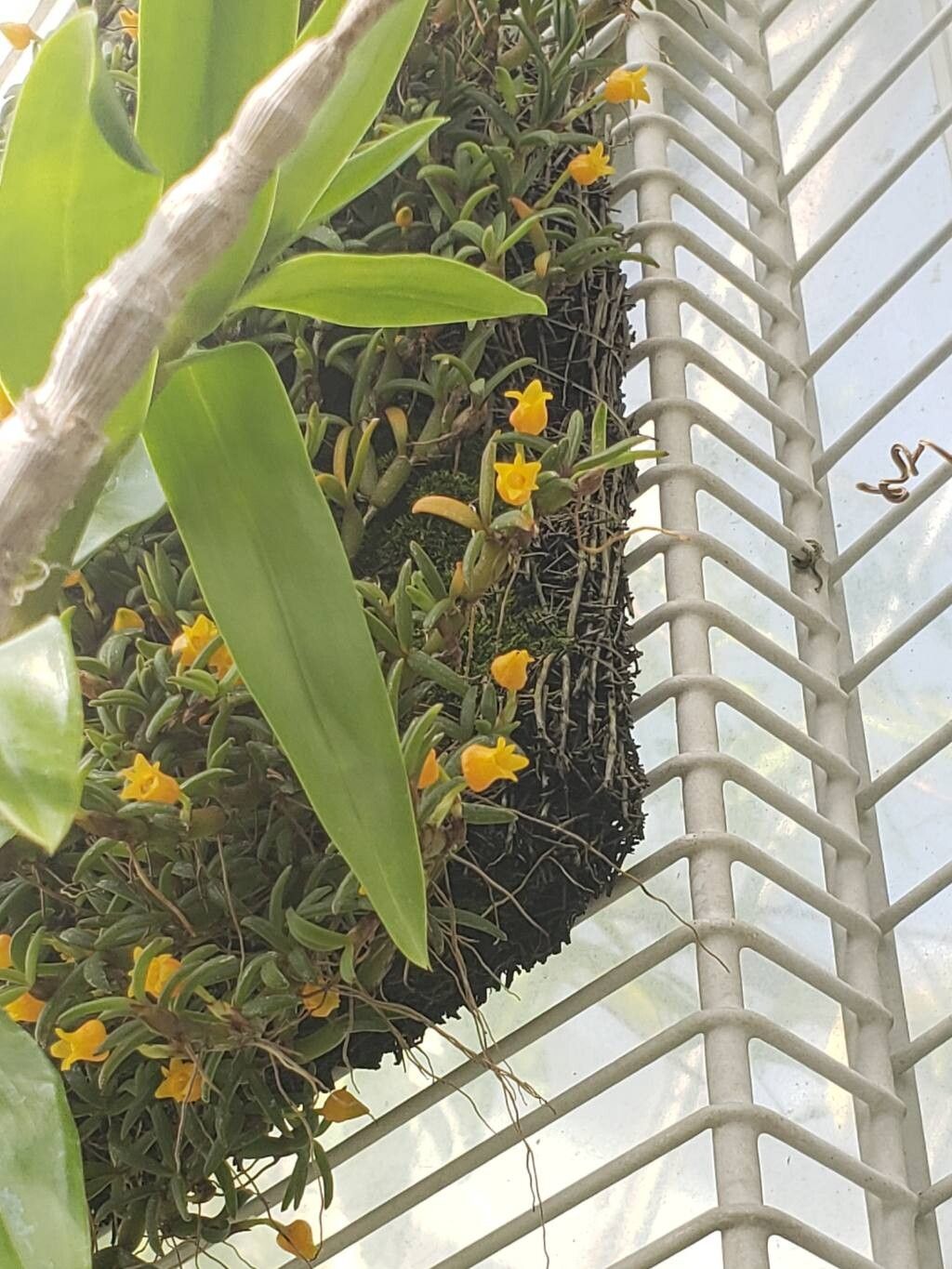
Hello there, fellow plant enthusiasts! It’s such a joy to have you here in my little corner of the gardening world. Today, we’re diving into the delightful task of propagating Mediocalcar decoratum. If you’ve ever admired this orchid for its charming, dainty flowers and robust growth, you’re in for a treat. Growing new plants from your existing ones is incredibly rewarding, like unlocking nature’s little magic trick, and happily, Mediocalcar decoratum is quite obliging once you learn its preferences. While it’s not the absolute easiest for a complete novice, with a little attention, you’ll be successful!
The Best Time to Start
For Mediocalcar decoratum, the absolute sweet spot is during its active growing season. This usually falls in the spring and early summer. You’ll know it’s actively growing when you see new shoots or leaves emerging. Trying to propagate when the plant is resting, typically in the cooler, darker months, will likely lead to slower rooting or no success at all. So, give your plant a little boost of energy before you ask it to make babies.
Supplies You’ll Need
Gathering your tools beforehand makes the whole process smooth sailing. Here’s what I recommend:
- Sharp, clean pruning shears or a sterile knife: Essential for making clean cuts that heal well.
- A well-draining potting mix: For orchids, a mix containing fir bark, perlite, and sphagnum moss is ideal. You want something that lets water drain quickly but still holds a bit of moisture.
- Small pots or seedling trays: Clean and appropriately sized for your new divisions or cuttings.
- Optional: Rooting hormone powder: This can give your cuttings a little extra encouragement to sprout roots.
- Optional: A clear plastic bag or propagator: To create a humid environment for cuttings.
- Watering can with a fine rose: For gentle watering.
Propagation Methods
Mediocalcar decoratum is best propagated through division. It’s straightforward and gives you a good chance of success.
Division
This is my go-to method for Mediocalcar decoratum. It’s like giving your established plant a little haircut while simultaneously creating new ones!
- Unpot your orchid: Gently remove your Mediocalcar decoratum from its pot. You might need to coax it out if it’s a bit root-bound.
- Inspect the root ball: Look for natural divisions in the plant. You’ll see where one pseudobulb (the swollen stem base) connects to another. Ideally, you want to divide it so each new piece has at least 2-3 healthy pseudobulbs and a good amount of roots.
- Separate them gently: You can often do this by hand, gently teasing the roots apart. If it’s a bit stubborn, use your clean pruning shears or knife to carefully cut through the rhizome (the creeping stem that connects the pseudobulbs). Be sure to make clean cuts.
- Pot up the divisions: Fill your new pots with your orchid mix. Place each division in a pot, ensuring the base of the pseudobulbs is just at the surface of the mix. Gently firm the mix around the roots.
- Water lightly: Give each newly potted division a gentle watering. The goal is to settle the mix without waterlogging it.
The “Secret Sauce” (Pro Tips)
Over the years, I’ve learned a few little tricks that seem to make all the difference.
- Don’t overpot: Resist the urge to put a tiny division into too large a pot. This can lead to the mix staying wet for too long, which is a recipe for rot. A pot that comfortably holds the division is perfect.
- Embrace patience: Orchids can be slow growers, and so can their new roots. Don’t be discouraged if you don’t see significant new growth for several weeks. Let them settle in!
- The power of humidity (for divisions): While not strictly necessary for divisions if your home humidity is decent, placing the newly potted divisions in a slightly more humid spot for the first week or two can help them settle in faster. Avoid direct sunlight!
Aftercare & Troubleshooting
Once your new divisions are potted up, give them a bright, indirect light spot and water only when the mix is starting to dry out. You’ll know roots are forming when you see them creeping out of the pot’s drainage holes or new pseudobulbs starting to swell nicely.
The most common issue you might encounter is rot. This usually happens if the potting mix stays too wet for too long, especially with young or recently divided plants. Signs of rot include mushy, dark, or discolored roots and pseudobulbs. If you see this, gently unpot the plant, trim away any rotten parts with your sterile tools, and repot in fresh, dry mix. You may need to let it air out a bit before watering again. Overwatering is the number one culprit, so err on the side of caution.
A Little Encouragement
There you have it! Propagating Mediocalcar decoratum is a journey that’s well worth taking. Remember to be gentle, provide the right conditions, and most importantly, be patient with your new green babies. Enjoy the process, celebrate each new root and leaf, and soon you’ll have a whole collection of these lovely orchids to admire. Happy growing!
Resource:
https://identify.plantnet.org/k-world-flora/species/Mediocalcar%20decoratum%20Schuit./data