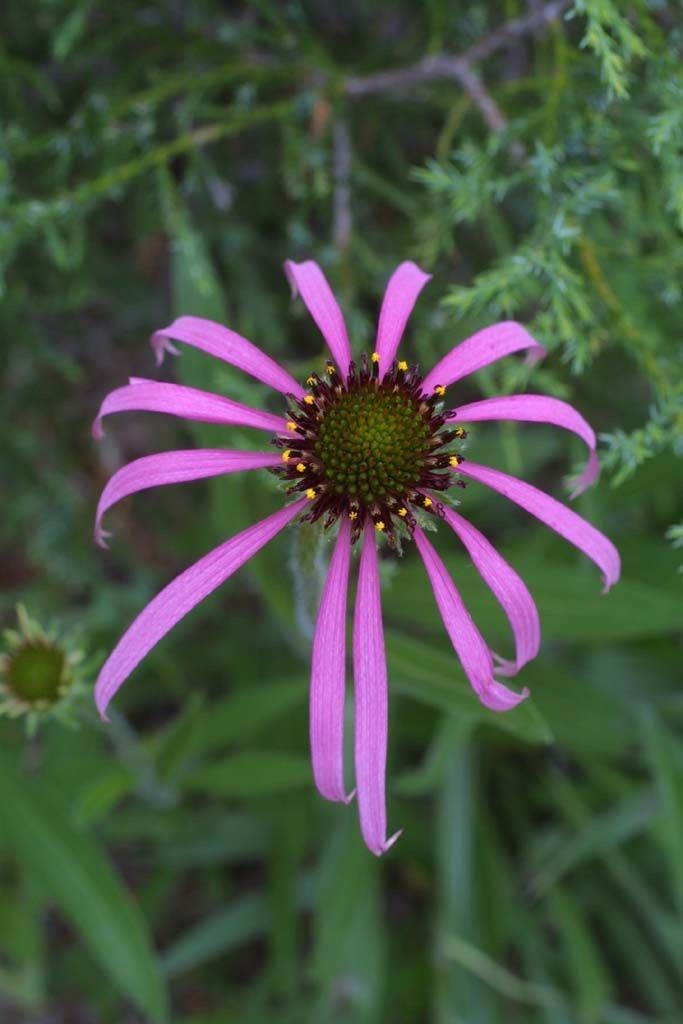
Oh, Echinacea simulata! Isn’t she just a ray of sunshine? I’ve got a real soft spot for these elegant coneflowers. They have this delicate, almost wispy charm that sets them apart from their more robust cousins. And the color! Those subtle pinks and creams just sing among the native grasses. Expanding your collection of these beauties through propagation is wonderfully rewarding. You get to watch new life emerge from your own efforts, and it’s a fantastic way to share these special plants with fellow garden enthusiasts. For the most part, Echinacea simulata is moderately easy to propagate, which means it’s a great project for both seasoned gardeners and those dipping their toes into the world of plant reproduction.
The Best Time to Start
When it comes to getting the best results with Echinacea simulata, timing is key. I find that late spring to early summer, just as the plant is in active growth but before it’s putting on a huge floral display, is your sweet spot. You’re looking for fresh, healthy growth. For divisions, the absolute best time is early spring, as soon as the soil can be worked but before new shoots are too tall. This gives the divisions the whole growing season to establish themselves.
Supplies You’ll Need
Gathering your tools before you begin makes the whole process smoother. Here’s what I usually have on hand:
- Sterile potting mix: A good blend of peat moss, perlite, and a bit of compost works wonders.
- Rooting hormone: This isn’t strictly essential for Echinacea, but it can significantly boost your success rate and speed up root development. Look for a powder or gel formulated for herbaceous cuttings.
- Sharp pruning shears or a clean knife: For taking cuttings and making clean divisions. Sterilize them with rubbing alcohol to prevent disease.
- Small pots or seed starting trays: With drainage holes, of course!
- Plastic bags or propagation domes: To create a humid environment for your cuttings.
- Watering can with a fine rose: For gentle watering.
- Labels and a marker: To keep track of what you’ve potted up.
Propagation Methods
Echinacea simulata can be propagated a couple of ways. I typically rely on stem cuttings and divisions.
Stem Cuttings
This is a fantastic way to get multiple new plants from a single mature one.
- Take Your Cuttings: In late spring or early summer, select healthy stems. Look for stems that are not flowering but have good leaf development. Using your sharp shears, make a clean cut just below a leaf node. A node is where a leaf attaches to the stem. Aim for cuttings that are about 4-6 inches long.
- Prepare the Cuttings: Gently remove the lower leaves, leaving just a couple at the top. This prevents them from rotting in the soil. If your cuttings are a bit long, you can pinch off the very top growing tip. This encourages outward growth and rooting.
- Apply Rooting Hormone (Optional but Recommended): Dip the cut end of each stem into rooting hormone, tapping off any excess.
- Plant Your Cuttings: Fill your small pots or trays with the sterile potting mix. Make a hole in the soil with a pencil or your finger and carefully insert the cutting. Gently firm the soil around the base.
- Create a Humid Environment: Water the soil gently until it’s moist but not soggy. Then, cover the pots with a plastic bag or propagation dome. This traps moisture and helps the cuttings stay hydrated while they develop roots. Place them in a bright location out of direct sunlight.
Division
This is my go-to method for older, established clumps. It’s also a great way to rejuvenate a plant that might be getting a bit leggy.
- Dig Up the Clump: In early spring, when the soil is workable, carefully dig around the base of your Echinacea clump. You want to lift the entire root system out of the ground intact. A garden fork can be helpful here.
- Clean the Roots: Gently shake off excess soil so you can clearly see the root structure.
- Separate the Divisions: Look for natural separations in the clump. You can often gently pull sections apart with your hands. For tougher clumps, you might need to use your knife or shears to cut through the root ball. Each division should have several healthy stems and a good portion of the root system.
- Replant Immediately: Pot up your divisions in containers filled with your sterile potting mix, or replant them directly into prepared garden beds. Water them in well.
The “Secret Sauce”
Here are a couple of things I’ve learned over the years that really make a difference:
- Don’t let the leaves touch the water when water propagating (if you try that!). While Echinacea isn’t the easiest for water propagation, if you do, ensuring the leaves stay above the waterline prevents rot. I usually stick to soil propagation for them as it’s more reliable.
- Bottom heat is your friend. Setting your pots of cuttings on a heat mat, especially in cooler conditions, can significantly speed up root formation. It mimics the warmth of spring soil and gives those young roots a real boost.
Aftercare & Troubleshooting
Once your cuttings have roots (you can gently tug on them – if there’s resistance, they’ve rooted!), or your divisions are potted up, it’s time for a bit of focused care. Keep them consistently moist but not waterlogged. You can gradually introduce them to more light. For cuttings, once they develop a strong root system, you can remove the plastic bag or dome to acclimate them to your garden’s humidity.
The most common sign of trouble is rot. If your cuttings look dark and mushy at the base, or if your divisions seem to be wilting and giving up the ghost despite being watered, it’s usually a sign of too much moisture, poor drainage, or a fungal issue. Sometimes, it’s just a matter of the plant not establishing. Don’t get discouraged if a few don’t make it – that’s part of the learning curve!
Happy Gardening!
Propagating Echinacea simulata is a wonderfully satisfying endeavor. Be patient with your new plants, observe them closely, and celebrate every little success. Before you know it, you’ll have a whole collection of these charming coneflowers to enjoy. Happy propagating!
Resource:
https://identify.plantnet.org/k-world-flora/species/Echinacea%20simulata%20McGregor/data