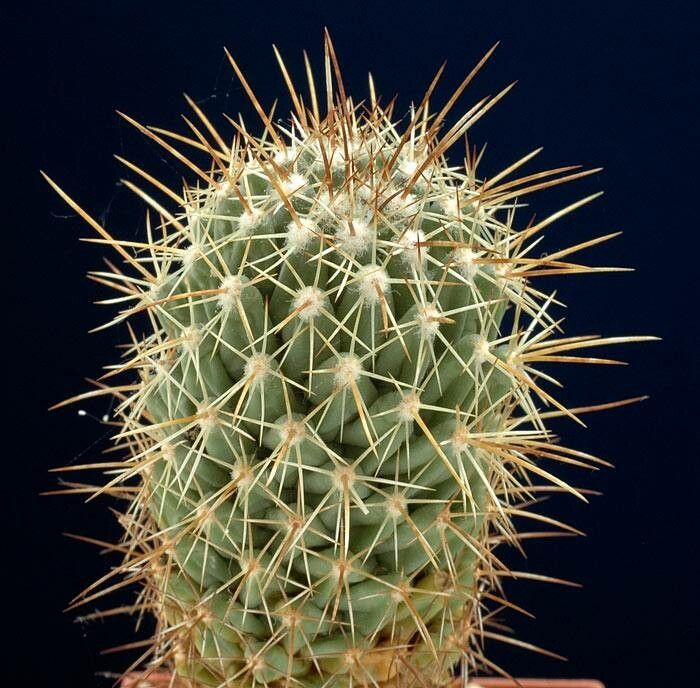
Oh, Coryphantha octacantha! If you’ve ever admired this spiny gem, with its handsome structure and often delightful blooms, you’re not alone. There’s something incredibly satisfying about taking a piece of a beloved plant and coaxing it into a brand new life. Propagating cacti like this one can feel a little intimidating at first, but honestly, it’s more about patience and a few simple techniques. For Coryphantha octacantha, I’d say it’s a moderately easy plant to propagate, especially from its pups, making it a rewarding project even if you’re relatively new to the cactus world.
The Best Time to Start
When it comes to giving your new baby cacti the best start, timing is everything. The ideal window for propagating Coryphantha octacantha is during its active growing season, which generally falls between spring and early summer. This is when the plant has plenty of energy to put into root development. Waiting until the plant is actively showing signs of growth – new spines, a bit of plumpness – is your cue. Trying to propagate when the plant is dormant is like asking someone to run a marathon without any pre-game stretching – it just won’t go as well.
Supplies You’ll Need
Before you dive in, gather your tools. Having everything ready means the process goes smoothly and minimizes stress on your plant.
- Sharp, sterile knife or pruning shears: For clean cuts, preventing disease. I usually give mine a quick wipe with rubbing alcohol.
- Rooting hormone (optional but recommended): This can give your cuttings a helpful boost.
- Well-draining soil mix: A cactus or succulent mix is perfect. You can also make your own by combining potting soil with perlite and coarse sand (about a 1:1:1 ratio).
- Small pots or trays: Clean ones, of course! Terracotta pots are great because they breathe.
- Gravel or perlite (for drainage): A thin layer at the bottom of your pots helps incredibly.
- Watering can with a fine rose or spray bottle: For gentle watering.
- Gloves (optional): Those spines can be persistent!
Propagation Methods
For Coryphantha octacantha, the most straightforward and successful method is propagation from pups. These are the little offsets that grow from the base of the mother plant.
Propagating from Pups:
- Wait for the Right Moment: Gently examine your Coryphantha octacantha. Look for pups that are at least an inch or two in diameter and have started to develop their own tiny spines. It’s also helpful if they have a bit of space between them and the main stem.
- Carefully Detach: Using your sterile knife or shears, make a clean cut as close to the mother plant as possible, trying to get a bit of the pup’s base connected. If the pup seems a little loose, you might even be able to twist it off gently.
- Callus Over: This is a crucial step! Do not pot the pup immediately. Place the detached pup in a dry, well-ventilated spot out of direct sunlight for a few days to a week. You want the cut end to form a dry, callous over. This prevents rot when you plant it. It might look a little sad and shriveled, but trust the process!
- Potting Up: Once callous has formed, lightly dip the cut end in rooting hormone (if using). Then, gently plant the pup into your prepared cactus mix. You don’t need to bury it deeply; just ensure it’s stable enough to stand upright. A little bit of the soil up to the base of the pup is fine.
- Initial Drying Period: Do not water immediately after potting. Let the newly planted pup sit for another 3-5 days in its dry soil. This gives any tiny exposed surface a chance to toughen up.
- First Watering: After the drying period, water very lightly. You can mist the soil surface or water just around the base of the pup. The goal is to barely moisten the soil.
The “Secret Sauce” (Pro Tips)
Here are a few little tricks I’ve learned over the years that can make a big difference:
- Bottom Heat is Your Friend: If you can, place your potted pups on a Propagation Heat Mat. This gentle warmth from below encourages root development like magic. It truly speeds things up and improves your success rate, especially in cooler environments.
- Don’t Be Afraid of a Little Airflow: Even when callousing, good air circulation is key. Avoid placing your pups in a completely sealed environment. A well-ventilated shelf or even just an open room is perfect. This helps prevent fungal issues.
- Observe, Don’t Overdo It: My biggest mistake when I started was fussing too much. With cacti, less is often more. Resist the urge to keep checking for roots or watering constantly. Let them do their thing!
Aftercare & Troubleshooting
Once your pup is potted and you’ve given it that first tentative drink, patience is key. You’re looking for signs of growth – a slight plumping up, the emergence of tiny new spines, or even just a firmer feel when you gently nudge it. This can take anywhere from a few weeks to a couple of months.
The most common enemy here is rot. If you see the pup start to collapse, become mushy, or develop dark, soggy spots, it’s a sign of too much moisture or an infection. If this happens, gently unpot it, cut away any rotted tissue with your sterile knife, and let it callus again. You might need to let it callus for longer this time, perhaps up to two weeks. If the rot is extensive, sadly, it might be a lost cause, but don’t let that discourage you.
A Encouraging Closing
Propagating Coryphantha octacantha is a journey. You’ll be rewarded with the immense satisfaction of creating new life from an existing treasure. Remember to be patient, observe your little ones closely, and don’t be afraid to experiment a little. Every cactus is a learning experience, and soon you’ll have a little army of these wonderful plants to admire. Happy propagating!
Resource: