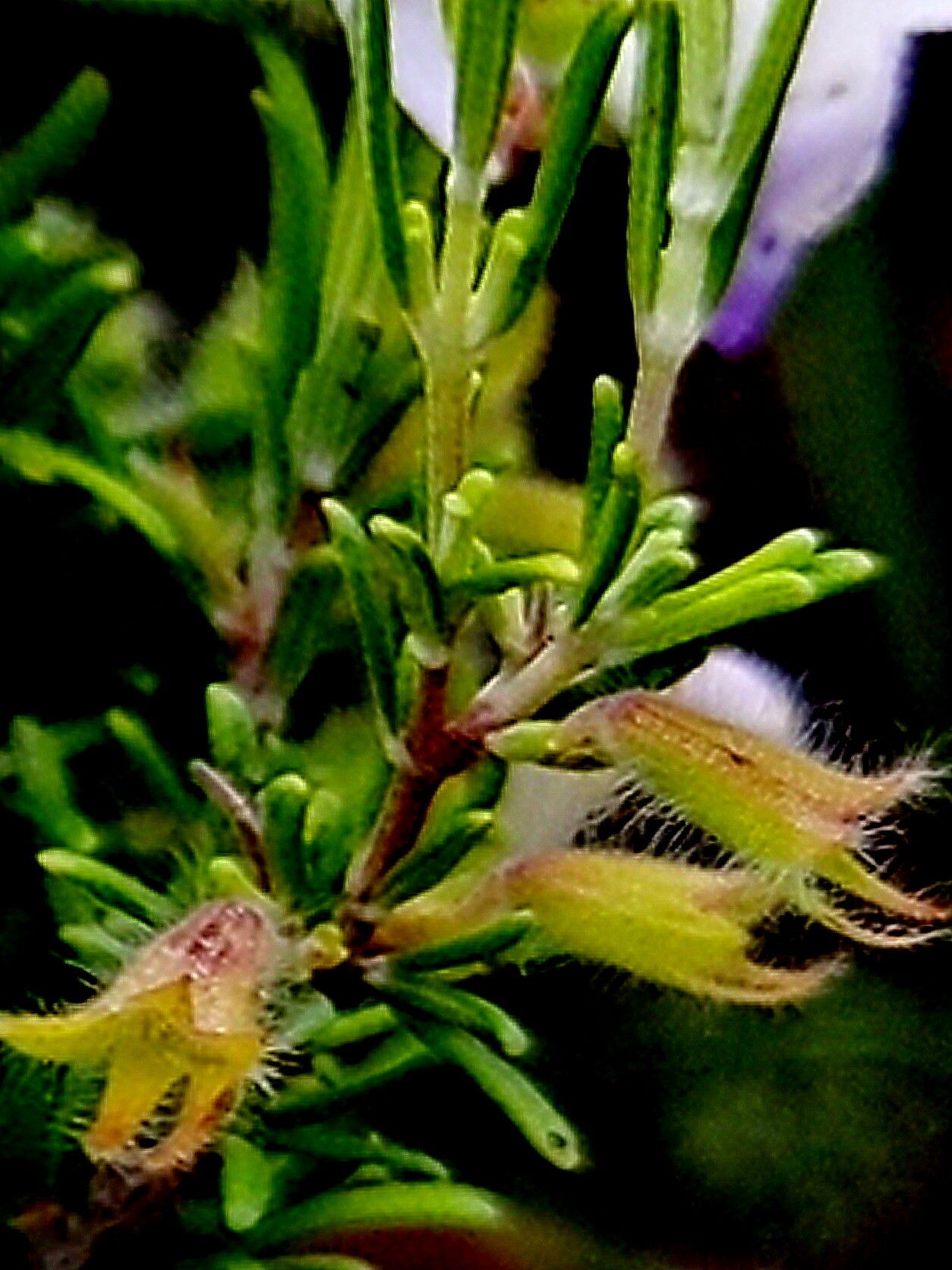
Well hello there, fellow plant lovers! It’s so nice to have you join me for a bit of garden chat. Today, we’re diving into the wonderfully fragrant world of Conradina canescens, also known as False Rosemary. If you’ve ever smelled its delightful, minty-rosemary aroma wafting through a garden, you know exactly why it’s captured my heart. Its delicate silvery foliage and lovely little lavender flowers are a true treasure, especially in drier, sun-drenched spots. And the best part? Bringing more of this beauty into your garden through propagation is incredibly rewarding.
Now, you might be wondering if Conradina canescens is a tricky plant to get started from scratch. I’d say it’s moderately easy. It’s not as foolproof as some of our super-prolific houseplants, but with a little attention to detail, you’ll be well on your way to success. Don’t let that deter you; it’s a wonderful plant to learn with!
The Best Time to Start
For Conradina canescens, the sweet spot for propagation is generally late spring to early summer. This is when the plant is actively growing and has plenty of energy to put into developing new roots. You’re looking for new, semi-hardwood growth – not the super soft, floppy new shoots, but also not the old, woody stems of last year. Think of it as growth that’s just starting to feel a bit firm, but still has some flexibility.
Supplies You’ll Need
Here’s a little kit to get you started:
- Sharp Pruning Shears or a Craft Knife: To make clean cuts.
- Rooting Hormone: An optional but helpful aid, especially for beginners.
- Small Pots or Seed Starting Trays: With drainage holes, of course!
- Well-Draining Potting Mix: A good blend for succulents or cacti works well, or you can mix equal parts peat moss and perlite.
- Plastic Bags or a Propagation Dome: To maintain humidity.
- Watering Can with a Fine Rose: To gently water.
- Labels: For keeping track of what you’ve potted up.
Propagation Methods
I find that stem cuttings are the most successful and straightforward method for Conradina canescens. Here’s how we’ll do it:
- Take Your Cuttings: Select healthy stems from your mature plant. Using your sharp shears, cut pieces that are about 4-6 inches long. Make the cut just below a leaf node – that little bump where leaves emerge from the stem. This is where the magic of rooting usually happens.
- Prepare the Cuttings: Gently strip away the lower leaves from the bottom half of the cutting. You only want a couple of sets of leaves remaining at the very top. This prevents leaves from rotting in the soil and encourages energy to go towards root development.
- Dip in Rooting Hormone (Optional): If you’re using rooting hormone, dip the cut end of each stem into the powder or gel, tapping off any excess.
- Plant Your Cuttings: Fill your small pots or trays with your well-draining potting mix. Make a small hole in the center with your finger or a pencil. Insert the prepared cutting into the hole, ensuring the leaf nodes you stripped are buried in the soil. Gently firm the soil around the stem to provide support.
- Water Gently: Give your cuttings a good but gentle watering. You want the soil to be moist, but not waterlogged.
- Create a Humid Environment: Cover the pots with a plastic bag (make sure the leaves don’t touch the inside of the bag) or place them under a propagation dome. This will create a mini-greenhouse, keeping the humidity high, which is crucial for cuttings to root.
The “Secret Sauce” (Pro Tips)
Here are a couple of little tricks I’ve learned over the years that can really boost your success:
- Bottom Heat is Your Friend: If you have an old seedling heat mat, now’s the time to use it! Placing your pots on a gentle heat mat can significantly speed up root formation. It mimics the warmth of the soil in summer and encourages a stronger root system.
- Air Circulation is Key: Even though we want humidity, you don’t want stagnant air, as this can lead to fungal issues. Open your propagation dome or plastic bag for a few minutes each day to allow for some air exchange. It’s a delicate balance, but worth the effort!
Aftercare & Troubleshooting
Once your cuttings are potted up, place them in a bright location that receives indirect light. Direct sun can scorch those young cuttings. Keep the soil consistently moist but not soggy.
You’ll start to see new growth appearing at the top, which is a great sign! The real test, however, is when you gently tug on a cutting. If there’s resistance, it means roots have formed! This can take anywhere from 4-8 weeks, so be patient.
The most common issue you might encounter is rot. If you see your cuttings turning mushy or blackening at the base, it’s usually a sign of too much moisture and not enough air circulation. Sadly, these are usually beyond saving. Prevention is key here – make sure your soil drains exceptionally well and that you’re maintaining that gentle air exchange.
A Encouraging Closing
Watching a new plant emerge from a simple cutting is one of gardening’s greatest joys. It’s a tangible connection to the cycle of life and a wonderful way to expand your beloved plant collection. Be patient with Conradina canescens, give it a little warmth and humidity, and before you know it, you’ll have a whole new fragrant shrub to enjoy. Happy propagating!
Resource:
https://identify.plantnet.org/k-world-flora/species/Conradina%20canescens%20A.Gray/data