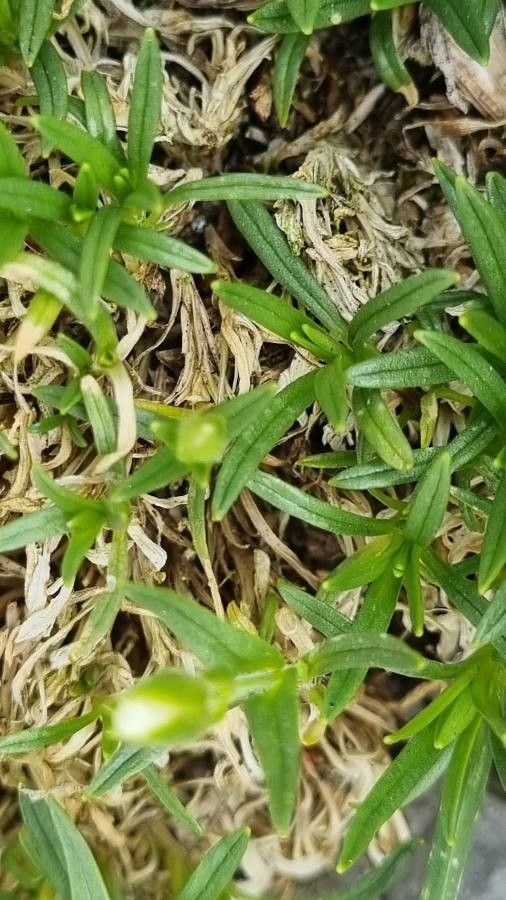
Hello, fellow garden enthusiasts! Today, I want to chat about a plant that has brought so much charm to my own pots and borders: Cerastium julicum. You might know it as Snow-in-Summer, and for good reason! Its masses of delicate, white flowers in late spring and early summer truly look like a dusting of snow across foliage that’s a lovely silvery-green. It’s a fantastic groundcover and a real eye-catcher.
If you’ve ever admired this lovely plant and wished you had more of it, you’ll be delighted to know that propagating Cerastium julicum is quite straightforward. It’s definitely a rewarding project, even for those just dipping their toes into the world of plant propagation.
The Best Time to Start
For the most success, I find that the early spring is the sweet spot. You want to catch the plant just as it’s waking up from winter dormancy and starting its vigorous growth. This is when its stems are full of life and ready to sprout new roots. Late spring, after it has finished its main flowering flush, can also work well.
Supplies You’ll Need
Here’s what I usually gather before I get started:
- Sharp pruning shears or a clean knife: For taking clean cuts.
- Rooting hormone (optional but recommended): A little dip can give your cuttings a boost.
- Small pots or seed trays: Make sure they have drainage holes!
- A well-draining potting mix: I like a blend of equal parts peat moss or coco coir and perlite or coarse sand.
- A plastic bag or propagation dome: To create a humid environment.
- Water: For misting.
- A spray bottle: For gentle watering and misting.
Propagation Methods
Cerastium julicum is a pretty forgiving plant, and my favorite way to propagate it is through stem cuttings. It’s efficient and I usually get a high success rate.
Stem Cuttings:
- Select healthy stems: Look for stems that are actively growing, not woody or old. Aim for pieces that are about 3-6 inches long.
- Make the cut: Using your clean pruning shears or knife, make a clean cut just below a leaf node. A leaf node is where a leaf attaches to the stem; this is where roots are most likely to form.
- Prepare the cutting: Gently remove the lower leaves from the bottom half of the stem. You can leave the top few leaves to help with photosynthesis.
- Apply rooting hormone (optional): If you’re using rooting hormone, dip the cut end of the stem into the powder (or gel). Tap off any excess.
- Plant the cuttings: Fill your small pots or trays with your prepared potting mix. Make a hole with your finger or a pencil and insert the cutting, ensuring the leaf nodes you removed are below the soil surface. Gently firm the soil around the stem.
- Water and cover: Water the soil gently until it’s moist but not soggy. Then, cover the pot or tray with a plastic bag or propagation dome to maintain high humidity. This is crucial!
- Place in bright, indirect light: Find a spot that receives plenty of bright light but no direct, scorching sun.
The “Secret Sauce” (Pro Tips)
Over the years, I’ve learned a few things that seem to make a big difference. Here are my little secrets for getting those cuttings to take:
- Avoid bottom rot: When you water, try to water the soil directly, not spray the leaves excessively inside the humidity dome. If you can avoid the leaves touching the inside of the plastic bag, that’s even better – it helps prevent fungal issues.
- Bottom heat is your friend: If you have a seedling heat mat, placing your pots on it can significantly speed up root development. The gentle warmth encourages those roots to form more quickly. Just a little bit of warmth makes a world of difference!
- Don’t be afraid to experiment: Every gardener’s environment is a little different. What works perfectly for me might need a slight tweak for you. Observe your cuttings closely and adjust as needed.
Aftercare & Troubleshooting
Once your cuttings have rooted – you’ll know this when you see new growth or feel a bit of resistance when you gently tug on the stem – it’s time to start treating them like little plants.
Gradually acclimate them to the outside air by opening the plastic bag or dome for a few hours each day over a week or so. Once they’re no longer wilting after being uncovered, you can remove the cover entirely. Continue to keep them in bright, indirect light and water them when the top inch of soil feels dry.
The most common sign of trouble is rot. If you see your cuttings turning mushy or black at the base, it’s usually a sign of too much moisture and not enough air circulation. In this case, you might need to start over with fresher cuttings and ensure your soil is well-draining. A bit of yellowing on the lower leaves can also happen, but if it’s widespread and the stems look unwell, something might be amiss with your watering or light.
A Encouraging Closing
Propagating plants is a wonderful way to connect with nature and expand your garden. Don’t get discouraged if your first attempt isn’t perfect. Be patient, observe your cuttings, and celebrate each tiny success. With a little practice and care, you’ll soon be enjoying your very own Snow-in-Summer abundance. Happy gardening!
Resource:
https://identify.plantnet.org/k-world-flora/species/Cerastium%20julicum%20Schellm./data