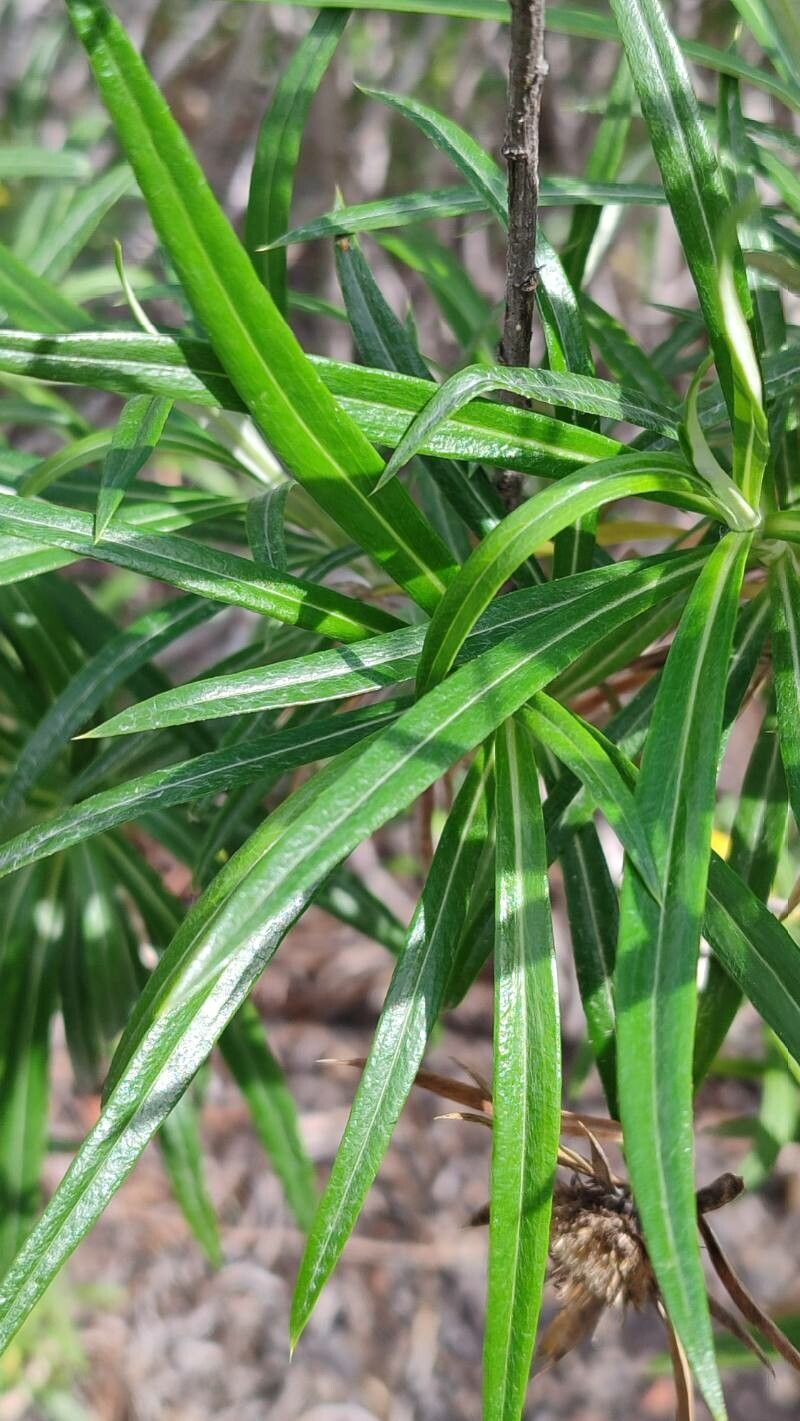
Well hello there, fellow garden enthusiasts! I’m so glad you’ve stopped by for a chat. Today, we’re diving into the delightful world of Carlina falcata. You know, that beautiful plant with the elegant, somewhat spiky foliage and those charming blooms that just feel like a little piece of sunshine? I’ve been growing it for years, and propagating it has always been such a rewarding experience. It brings me so much joy to share these beauties, and honestly, it’s not as daunting as you might think. If you’re new to propagating, this is a fantastic plant to start with.
The Best Time to Start
For Carlina falcata, I find that the sweet spot for propagation is in the late spring or early summer. This is when the plant is actively growing and has plenty of energy to put into forming new roots. Waiting until after the main flush of new growth has hardened off just a bit is key. You want healthy, vigorous material, but not the super-soft, floppy new shoots.
Supplies You’ll Need
Before we get our hands dirty, let’s gather our tools. Having everything ready makes the whole process much smoother:
- Sharp pruning shears or a clean knife: For taking precise cuttings.
- Rooting hormone (optional but recommended): This can give your cuttings a helpful boost.
- Well-draining potting mix: I like a blend of equal parts perlite and peat moss, or a good quality cactus and succulent mix.
- Small pots or seed trays: With drainage holes, of course!
- Plastic bags or a propagation dome: To create a humid environment.
- Watering can with a fine rose attachment: For gentle watering.
- Label and pen: To keep track of your cuttings!
Propagation Methods
There are a couple of ways we can go about this, and both are quite effective for Carlina falcata.
Stem Cuttings
This is my go-to method for these lovelies.
- Select your parent plant: Look for healthy stems that are not flowering.
- Take cuttings: Using your sharp shears or knife, take 4-6 inch cuttings from the tip of a healthy stem. Make your cut just below a leaf node (where a leaf attaches to the stem).
- Prepare the cuttings: Gently remove the lower leaves from the cutting, leaving just a few at the top. This prevents them from rotting in the soil. If you’re using rooting hormone, dip the cut end into it now.
- Plant the cuttings: Fill your small pots with your well-draining mix. Make a small hole with your finger or a pencil and insert the cut end of the stem. Gently firm the soil around it.
- Create humidity: Water the soil lightly. Then, cover the pot with a plastic bag or place it under a propagation dome. This traps moisture, which is crucial for root development.
Division
If your Carlina falcata has gotten a bit dense and you’re looking to give it more space anyway, division is a fantastic option.
- Gently unpot the plant: Loosen the soil from the root ball.
- Identify natural divisions: Look for clumps or sections of the plant that have their own root systems.
- Separate the divisions: You can often gently pull apart the sections with your hands. If it’s a bit stubborn, a clean trowel or knife can help. Just be gentle with those roots!
- Repot or plant: Pot each division into its own container with fresh, well-draining soil, or directly into your garden if the weather is suitable. Water them in well.
The “Secret Sauce” (Pro Tips)
Here are a few little tricks I’ve picked up that really make a difference:
- Don’t let the leaves touch the soil: Whether you’re doing stem cuttings or dealing with newly divided plants, making sure any leaves are above the soil line is a game-changer. It dramatically reduces the chances of rot.
- Provide gentle bottom heat: If you have a heat mat designed for propagation, placing your pots on it can really speed up root formation. It mimics the warmth of spring soil and gives those roots an extra nudge. Don’t overdo it; just a gentle, consistent warmth is perfect.
Aftercare & Troubleshooting
Once your cuttings are planted, keep them in a bright location out of direct, harsh sunlight. The humidity you’ve created is your best friend. Mist the leaves occasionally if you’re not using a fully enclosed dome. Be patient! It can take anywhere from a few weeks to a couple of months for roots to form.
You’ll know they’re ready when you gently tug on the cutting and feel resistance, or when you see tiny new leaves emerging. If you notice wilting that doesn’t perk up after misting, or if the stem looks mushy and discolored, that’s a sign of rot. Unfortunately, the prettiest cuttings can sometimes go south. Don’t be discouraged if a few don’t make it; it happens to the best of us!
A Encouraging Closing
So there you have it! Propagating Carlina falcata is a wonderful way to expand your collection and share the beauty with friends. Remember, gardening is a journey, and sometimes patience is the most important ingredient. Just keep at it, enjoy the process of nurturing these new little lives, and soon you’ll have a whole garden full of these charming plants. Happy propagating!
Resource:
https://identify.plantnet.org/k-world-flora/species/Carlina%20falcata%20Svent./data