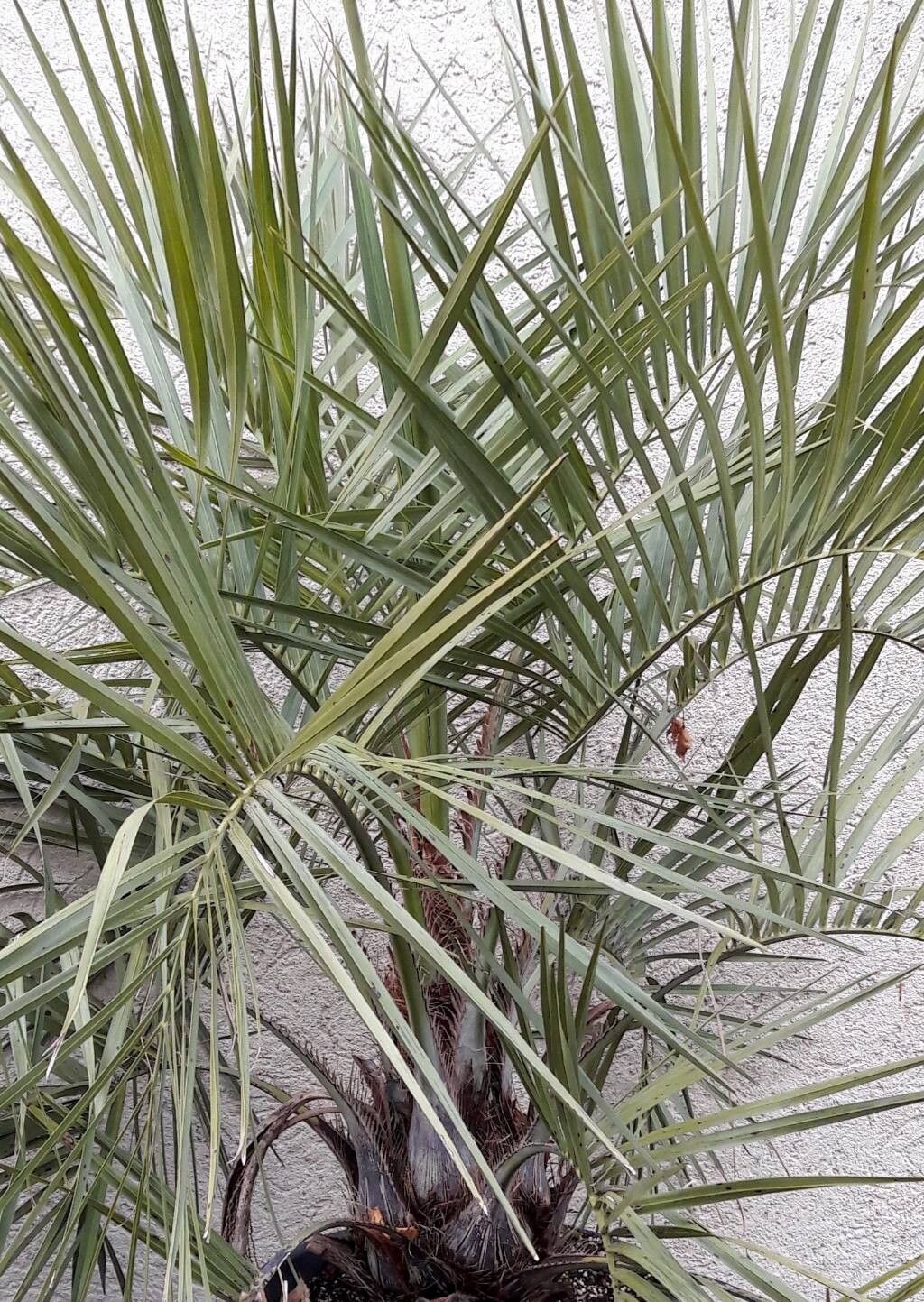
Hello fellow plant lovers! Today, we’re diving into one of my absolute favorites: the Butia paraguayensis, or Dwarf Pindo Palm. Isn’t it a gem? With its delicate, feathery fronds and compact size, it brings a touch of the tropics without demanding a vast estate. Growing these beauties from scratch is a deeply satisfying journey, and I’m thrilled to share how I do it. For beginners, I’d say propagating this palm is moderately challenging – it requires a bit of patience and attention, but the rewards are so worth it.
The Best Time to Start
For Butia paraguayensis, the absolute best time to get your propagation efforts underway is during its active growing season. This typically falls in late spring through early summer. This is when the plant has the most energy stored and is primed to put out new growth, including roots. Trying to propagate when the plant is dormant is like asking someone to run a marathon after a long nap – they’re just not in the mood!
Supplies You’ll Need
Gathering your supplies beforehand makes the whole process smoother. Here’s what I always have on hand:
- Well-draining potting mix: A blend of coarse sand, perlite, and coco coir is excellent. You want to avoid anything that stays soggy.
- Sharp, clean pruning shears or a knife: For making clean cuts.
- Rubbing alcohol: To sterilize your tools between cuts.
- Small pots or trays: With drainage holes, of course!
- Rooting hormone (optional but helpful): Look for one formulated for woody plants or palms.
- Plastic bags or a propagation dome: To create a humid environment.
- Bottom heat source (like a heat mat): This can significantly speed up root development.
- Watering can with a fine rose: For gentle watering.
Propagation Methods
While Butia paraguayensis can be a bit finicky, the most reliable method I’ve found is division. This is where you’re basically splitting a mature plant into smaller, viable sections.
- Choose Your Mother Plant: Select a healthy, mature specimen. Look for one that has pups or offsets developing at its base.
- Gently Excavate: Carefully remove the entire plant from its pot or dig around its base in the ground. Gently brush away as much soil as you can from the root ball.
- Locate the Division Point: You’re looking for where a new shoot (a pup) has emerged from the base of the main trunk and has its own root system beginning to form.
- Make the Cut: Using your sterilized pruning shears or knife, make a clean, decisive cut to separate the pup from the mother plant. Try to get as much of the pup’s root system as possible without damaging the parent plant too severely. If there are no obvious pups, you might need to wait for the plant to mature further.
- Prepare the Pup: Inspect the cut surface. If it looks very wet, you can let it air dry for a few hours to a day to form a callus. This helps prevent rot. Remove any damaged or yellowing fronds from the pup.
- Potting Up: Fill your clean pots with your well-draining potting mix. Make a small hole in the center and place the base of the pup into the hole, ensuring the roots are spread out a bit. Firm the soil gently around it.
The “Secret Sauce” (Pro Tips)
Here are a couple of tricks I’ve picked up over the years that really make a difference:
- Bottom Heat is Your Best Friend: Palms absolutely love warmth at their roots. Placing your potted divisions on a seedling heat mat set to about 75-80°F (24-27°C) will dramatically improve your chances of success and speed up rooting. It mimics the tropics, where roots get cozy warmth from the soil.
- Don’t Over-Water, But Keep it Humid: Once potted, water the division thoroughly until water drains from the bottom. Then, let the top inch of soil dry out before watering again. While you don’t want soggy soil, creating a humid microclimate is key. Tent the pot with a clear plastic bag or use a propagation dome, ensuring the leaves don’t touch the plastic. This traps moisture and keeps the humidity high, which newly divided plants crave.
Aftercare & Troubleshooting
Once your Butia paraguayensis division is potted, place it in a bright, indirect light location. Avoid direct, intense sun, which can scorch the delicate new growth. Keep an eye on the humidity. You can start to gradually acclimate it to lower humidity levels once you see signs of new frond development – this is your biggest indicator of root success!
The most common problem you’ll encounter is rot. If you notice the base of the palm becoming mushy, black, or smelling foul, it’s a sign of too much moisture and not enough air circulation. Unfortunately, if rot sets in, it’s often irreversible. Another sign of failure is if the fronds completely wither and dry out without any new growth appearing after several months. Patience is crucial here; it can take months for a division to establish its roots and show new life.
Let the Magic Happen!
Propagating Butia paraguayensis is a journey that rewards your patience and attention. Don’t be discouraged if your first attempt isn’t a roaring success. Every plant is a learning experience. Enjoy the process, celebrate the tiny new fronds that emerge, and soon you’ll have your very own tropical oasis starter! Happy planting!
Resource: