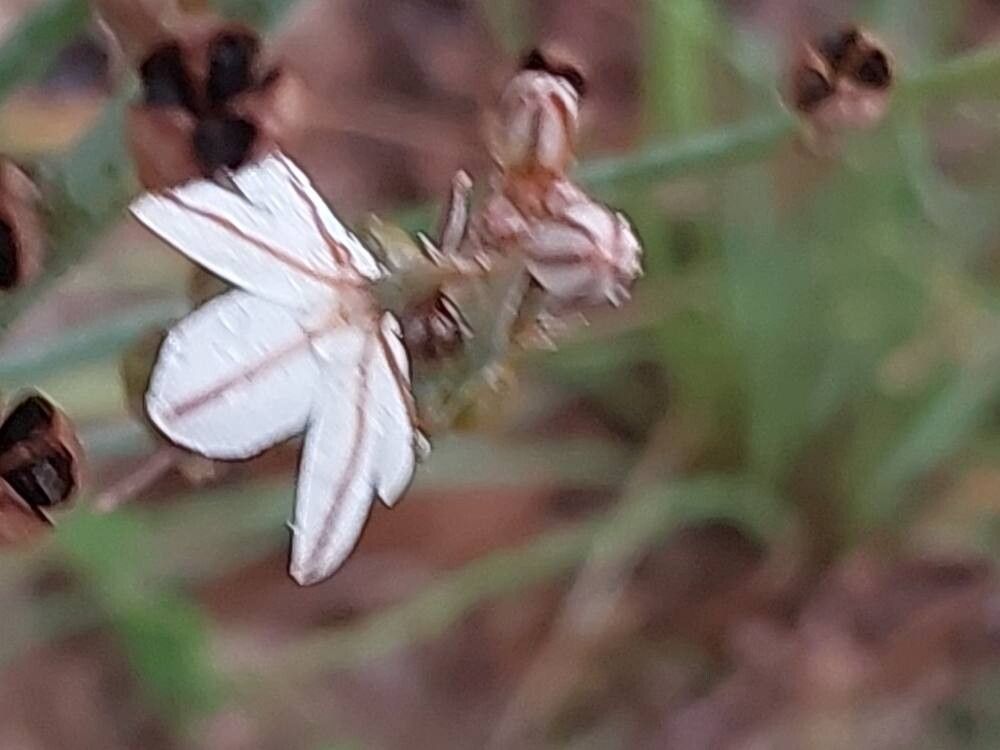
Oh, hello there! It’s so lovely to have you join me virtually. Today, we’re diving into the wonderful world of Asphodelus acaulis, a plant that has truly captured my heart over the years. If you’re looking for something a little different, something that brings a touch of architectural flair to your garden with its striking, architectural rosettes and those beautiful white to pale pink, star-shaped flowers, then you’re in for a treat. Propagating Asphodelus acaulis is a deeply rewarding experience, and while it might seem a tad daunting at first, I’m here to guide you through it. For beginners, I’d say it’s moderately challenging – not a complete slam dunk, but absolutely achievable with a bit of care and attention.
The Best Time to Start
My personal favorite time to get busy with Asphodelus acaulis propagation is in the late spring or early summer. This is when the plant is actively growing and has plenty of energy to put into rooting. You’ll see new shoots emerging, and the plant generally feels more robust, making it more receptive to being divided or having cuttings taken. Avoid doing this during the height of summer’s heat or in the cold of winter when the plant is resting.
Supplies You’ll Need
Here’s what I always have on hand when I’m propagating:
- Sharp, clean pruning shears or a sharp knife: For making clean cuts.
- Well-draining potting mix: I often use a mix of perlite, coarse sand, and a good quality potting soil. About a 50/50 blend often works wonders.
- Small pots or trays: For your new cuttings or divisions.
- Rooting hormone (optional but helpful): A powder or gel formulation.
- Watering can with a fine rose or a spray bottle: To gently water your new propagates.
- Labels and a pen: To keep track of what’s what!
- A small trowel or dibber: For planting.
Propagation Methods
While Asphodelus acaulis can be grown from seed, the most reliable and common method for home gardeners is division.
Division: My Go-To Method
This is like giving your plant a little haircut and getting new ones in the bargain!
- Gently Excavate: In your chosen propagation window (late spring/early summer), carefully dig up the parent Asphodelus acaulis plant. Try to disturb the roots as little as possible. A watering can or hose can help wash away some excess soil, making it easier to see the root structure.
- Inspect and Divide: Look for natural breaks in the root system. You’ll often see distinct clumps or crowns starting to form. Using your hands or a clean, sharp knife, gently pull or cut the plant into sections. Each section should have at least one healthy root system and a few growing points or shoots.
- Replant Promptly: Prepare your pots with the well-draining soil mix. Make a little hole in the center and place your division in, ensuring the roots are spread out. Firm the soil gently around the base.
- Water Wisely: Give each newly potted division a light watering. You want the soil to be moist but not waterlogged.
The “Secret Sauce” (Pro Tips)
Now, for a couple of little tricks I’ve picked up from years of coaxing plants to grow:
- Patience with the Leaves: When you take a division or cutting, don’t be tempted to trim off all the lower leaves unless they are clearly dead or diseased. The leaves are the plant’s energy source. If you must trim, only take off what’s absolutely necessary to prevent overcrowding.
- The Magic of Bottom Heat (for cuttings): If you’re ever tempted to try stem cuttings (though division is far more successful for Asphodelus acaulis), providing a little gentle bottom heat significantly increases your success rate. A propagator mat set on a low setting can be a game-changer. This encourages root development from below.
Aftercare & Troubleshooting
Once your divisions are planted, give them space and a gentle hand. Keep the soil consistently moist but not soggy. A light misting from a spray bottle can be beneficial, especially in dry conditions, but avoid overhead watering which can lead to fungal issues. Place them in a spot with bright, indirect light.
The most common issue you might encounter is rot. This usually happens if the soil is too wet for too long, or if there isn’t enough air circulation. If you see a division looking limp, mushy, or developing black spots, unfortunately, it’s often a sign of rot and the propagule may be lost. Prevention is key here – excellent drainage is your best friend! Also, monitor for any signs of pests like mealybugs which can sometimes pounce on stressed plants.
A Encouraging Closing
Growing new plants is a journey, and with Asphodelus acaulis, it’s one that offers immense satisfaction. Be patient with your new charges; they need a little time to settle in and establish themselves. Enjoy watching them grow, knowing you’ve helped bring new life into your garden. Happy propagating!
Resource:
https://identify.plantnet.org/k-world-flora/species/Asphodelus%20acaulis%20Desf./data