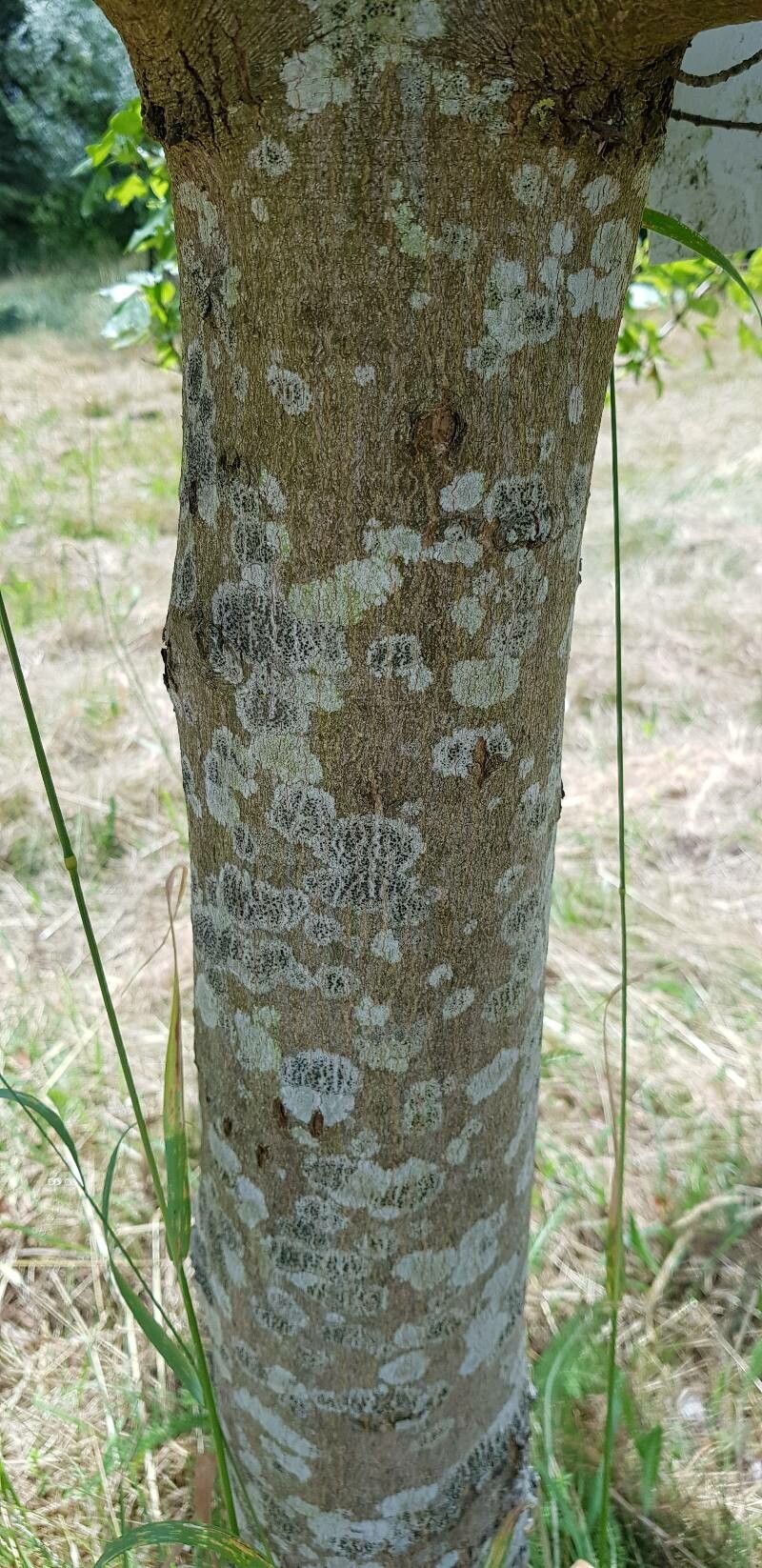
Hello fellow garden enthusiasts! I’m so delighted you’re considering bringing more of the beautiful Acer obtusifolium into your life. If you’ve ever admired its delicate, often beautifully lobed leaves and elegant form, you’re in for a treat. Propagating this lovely maple is a wonderfully rewarding endeavor, allowing you to share its charm or simply expand your own green haven. Now, for the beginner question: is it tricky? Honestly, Acer obtusifolium can be a little more particular than some of your everyday houseplants, but with a few key approaches, you’ll find success. It’s a fantastic plant to practice your propagation skills on!
The Best Time to Start
Timing, as in so many things in the garden, is crucial. For Acer obtusifolium, the sweet spot for taking cuttings is early to mid-summer. This is when the plant is actively growing, and the new wood, known as semi-hardwood, has begun to harden off but is still flexible. It has that perfect balance of being mature enough to have developed rooting potential but still energetic enough to push out those new roots.
Supplies You’ll Need
Gathering your tools before you begin makes the whole process smoother. Here’s what you should have on hand:
- Sharp Pruning Shears or a Craft Knife: Clean cuts are essential to prevent disease.
- Rooting Hormone (Optional but Recommended): A good quality rooting powder or gel really gives your cuttings a boost.
- Soilless Potting Mix: A blend of peat moss or coco coir and perlite or coarse sand is ideal. It needs to drain exceptionally well. Avoid heavy garden soil.
- Small Pots or Seed Trays: Clean ones are a must!
- Plastic Bags or a Propagator: To maintain high humidity around your cuttings.
- Watering Can with a Fine Rose: For gentle watering.
- Willow Sticks or Plant Labels: To mark your cuttings.
Propagation Methods
Let’s get our hands dirty! The most reliable method for Acer obtusifolium is stem cuttings.
Stem Cuttings (Semi-Hardwood)
- Select Your Cuttings: In early to mid-summer, look for healthy shoots that are about 6-10 inches long. Pinch one between your finger and thumb. If it snaps cleanly, it’s likely good semi-hardwood. If it bends without breaking, it’s too soft. If it’s very woody and hard to bend, it’s too mature.
- Make the Cut: Using your sharp shears or knife, make a clean cut just below a leaf node. A leaf node is where a leaf attaches to the stem. This is where root-forming cells are most active.
- Prepare the Cutting: Gently remove the leaves from the bottom half of the cutting. You want to expose the nodes where roots will form. If the remaining leaves are very large, you can cut them in half horizontally to reduce water loss through transpiration. This is a key step to prevent wilting.
- Apply Rooting Hormone: Dip the cut end of the stem into your rooting hormone, tapping off any excess. The hormone will stick to the damp end.
- Plant Your Cuttings: Fill your small pots with the moistened soilless potting mix. Make a hole with a pencil or stick, and then insert the cutting. Firm the soil gently around the base of the stem. You can plant multiple cuttings per pot, but give them a little space.
- Create a Humid Environment: Water the soil gently. Then, you can either cover the pot with a clear plastic bag (making sure the leaves don’t touch the plastic!) or place the pots inside a propagator. Ensure there’s some airflow – poke a few small holes in the bag if needed. This high humidity is critical for preventing the cuttings from drying out.
Water Propagation (Less Common but possible for younger shoots)
While I prefer semi-hardwood cuttings in soil for Acer obtusifolium, you can try younger, more pliable shoots in water for a visual rooting experience.
- Take a Cutting: Select a fresh, younger shoot, about 4-6 inches long.
- Prepare: Remove the lower leaves.
- Place in Water: Put the cutting in a clean jar or vase filled with fresh water.
- Location: Place it in bright, indirect light. Crucially, ensure the leaves DO NOT touch the water. They will rot quickly.
The “Secret Sauce” (Pro Tips)
Here are a couple of my personal tricks for boosting success:
- Bottom Heat is Your Friend: If you have a seedling heat mat, place your pots on it. A gentle warming of the soil encourages root development far more effectively than just ambient air temperature. It’s like giving those little root initials a cozy incubator!
- Don’t Disturb Too Soon: Resist the urge to tug on your cuttings to see if they’ve rooted. You can often tell by looking for new leaf growth, which is a very good sign. If you must check, do so very gingerly.
Aftercare & Troubleshooting
Once you start seeing new leaf growth, this is a fantastic sign that roots have formed!
- Gradual Introduction: Begin to acclimate your new plant to drier air by slowly opening the plastic bag or propagator door over a week or two.
- Watering: Keep the soil consistently moist but not waterlogged. Water when the top inch of soil feels dry.
- Light: Gradually move your new plant to a brighter spot, still avoiding direct, harsh sun for the first few weeks.
What if things go wrong? The most common culprit is rot. If your cuttings turn black and mushy, it’s usually due to overwatering, poor drainage, or lack of airflow. If a cutting looks limp and dehydrated despite being in a humid environment, it might have dried out too quickly, perhaps because the humidity wasn’t high enough or the rooting hormone didn’t take. Don’t be discouraged! Gardening is about learning from every plant.
A Little Patience Goes a Long Way
Propagating Acer obtusifolium is a journey of observation and a little bit of horticultural courage. Be patient with your cuttings; rooting can take anywhere from 4 to 8 weeks, sometimes longer. Celebrate each new leaf, each tiny root you might see. And most importantly, enjoy the process of nurturing life from a simple stem. Happy gardening!
Resource:
https://identify.plantnet.org/k-world-flora/species/Acer%20obtusifolium%20Sm./data