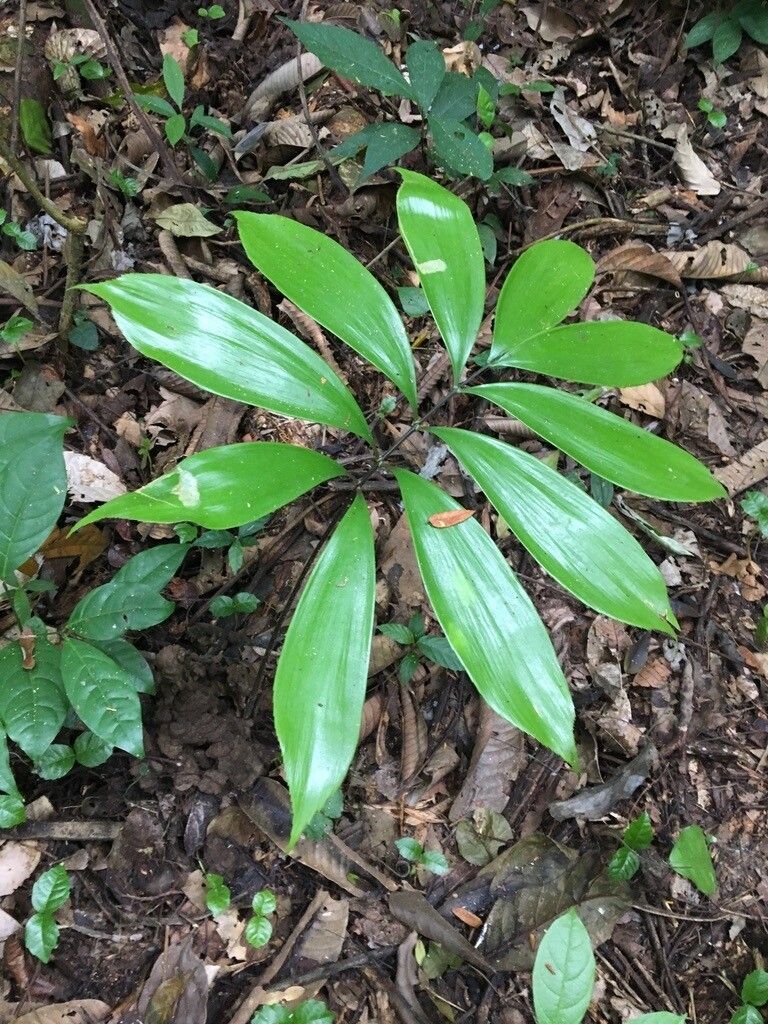
Oh, hello there! Come on in, let’s chat about our leafy friends. If you’re like me, you’ve probably fallen head-over-heels for the striking beauty of Zamia ulei. With its architectural fronds and that wonderfully prehistoric vibe, it’s a real showstopper in any plant collection. And the best part? You can bring more of that magic into your home by propagating it yourself! It’s a incredibly rewarding feeling to nurture a new life from a piece of an established plant. Now, let me be honest – while not difficult, Zamia ulei can be a bit more of a patient endeavor for absolute beginners compared to, say, a pothos. But with a little know-how and a gentle hand, you’ll be well on your way.
The Best Time to Start
For Zamia ulei, spring is absolutely your best bet. Think of it as nature’s gentle nudge for new beginnings. The plant is beginning to wake up from its winter slumber, energy levels are rising, and it’s eager to grow. This is when it’s most likely to put out new shoots or offsets, and when any propagation attempts will have the strongest chance of success. Trying to propagate in the dead of winter is just asking for disappointment – we want to give our little cuttings the best possible start!
Supplies You’ll Need
Gathering your tools before you begin makes the whole process smoother. Trust me, I’ve learned this the hard way! Here’s what I usually have on hand:
- Sharp, clean pruning shears or a good knife: For clean cuts, which are crucial.
- Well-draining potting mix: I often use a mix of good quality potting soil, perlite, and a bit of orchid bark. You want good aeration to prevent rot.
- Small pots or propagation trays: Terracotta pots are my favorite as they breathe well.
- Rooting hormone (optional but recommended): A powder form works well for Zamia.
- Gloves: Some plants can be a bit sappy or have prickly bits – better safe than sorry!
- Misting bottle: For keeping things just right.
- A heat mat (optional but a game-changer): More on this in the “Secret Sauce”!
- Labels and a marker: So you remember what’s what!
Propagation Methods
Zamia ulei can be propagated by a couple of different methods. The most successful for me is by dividing offsets or suckers, but you can also try stem cuttings if you’re feeling adventurous and have a mature plant.
Method 1: Dividing Offsets (The Easiest Route)
This is by far the most reliable way to propagate Zamia ulei. You’re essentially separating a small baby plant that’s already started to form from the mother plant.
- Inspect your mother plant: Look for small offshoots or “pups” growing from the base of the main stem. You want to choose one that looks healthy and has its own nascent leaf or two.
- Gently excavate: Carefully dig around the base of the chosen offset with your hands or a small trowel. You want to expose the point where it connects to the parent plant.
- Make the cut: Using your sharp, clean pruning shears or knife, make a clean cut to detach the offset from the mother plant. Try to get a little bit of root attached to the offset if possible.
- Allow to callous: This is important! Set the offset aside in a dry, well-ventilated spot for 2-3 days, or until the cut surface looks dry and calloused over. This prevents rot when you plant it.
- Pot it up: Fill a small pot with your well-draining potting mix. Make a small hole in the center and gently place the calloused offset into it, burying the cut end. Firm the soil around it gently.
- Water sparingly: Water lightly to settle the soil. You don’t want the soil to be waterlogged.
Method 2: Stem Cuttings (For the Bold!)
This method is a bit trickier and not always successful, but if you have a vigorous, mature plant, it’s worth a try.
- Select a healthy stem: Choose a strong, mature stem that has at least one growth point (where a leaf emerges).
- Make a clean cut: Using your sharp, clean pruning shears, cut the stem about an inch or two below a leaf node. Try to get a piece that’s at least 4-6 inches long. Remove any lower leaves, leaving just a few at the top.
- Apply rooting hormone: Dip the cut end into your rooting hormone powder, tapping off any excess.
- Plant the cutting: Fill a pot with your well-draining mix. Make a hole with a pencil or your finger and insert the cutting, ensuring the cut end is well-covered by soil.
- Water lightly: Water gently to moisten the soil.
The “Secret Sauce” (Pro Tips)
Here are a few tricks I’ve learned over the years that have really boosted my propagation success:
- Bottom Heat is Your Friend: This is a big one! Zamias, like many tropical plants, love warmth at their roots. Placing your pots on a gentle heat mat designed for plants can significantly speed up root development and increase the chances of success, especially with cuttings. It mimics the warmth they’d get in their native environment.
- Don’t Drown Your Newbies: While you want to keep the soil consistently moist, never let your pots sit in standing water. Soggy roots are the express lane to rot. When watering, always ensure the excess water can drain away freely. Terracotta pots are excellent for this reason!
- Patience is a Virtue (and a Necessity): Seriously, Zamias are not lightning-fast propagators. For offsets, it can take several months to see new growth indicating they’ve rooted. For cuttings, it might be even longer. Resist the urge to constantly dig them up and check! Trust the process.
Aftercare & Troubleshooting
Once your offset or cutting starts to show signs of life – new growth, a firmer feel to the leaf, or even a tiny new root poking out the drainage hole – you’re on the right track!
- Gradual Acclimation: Once rooted, you can gradually move your new plant to its permanent spot. Continue to water as you have been, letting the soil dry out slightly between waterings.
- Light: Place your new Zamia in bright, indirect light. Avoid direct sun, which can scorch its delicate new leaves.
- Keep it humid: These guys love a bit of humidity. Misting occasionally can be beneficial, or place it near a humidifier.
Now, about those little setbacks. The most common foe is rot, which usually happens due to overwatering or poor drainage. If you see the stem turning mushy or black, or the leaves starting to yellow and wilt despite being watered, it’s a sign of trouble. In this case, sadly, you might need to discard the attempt. Prevention is key here – good air circulation, well-draining soil, and careful watering are your best defenses.
A Little Encouragement
There you have it! Propagating Zamia ulei is a journey, not a race. Embrace the process, enjoy the quiet satisfaction of nurturing something new, and don’t be discouraged if your first attempt isn’t picture-perfect. Every gardener has had their share of failed experiments – it’s all part of learning and growing. So, grab your tools, find that perfect offset, and happy propagating! I can’t wait to hear about your success.
Resource:
https://identify.plantnet.org/k-world-flora/species/Zamia%20ulei%20Dammer/data