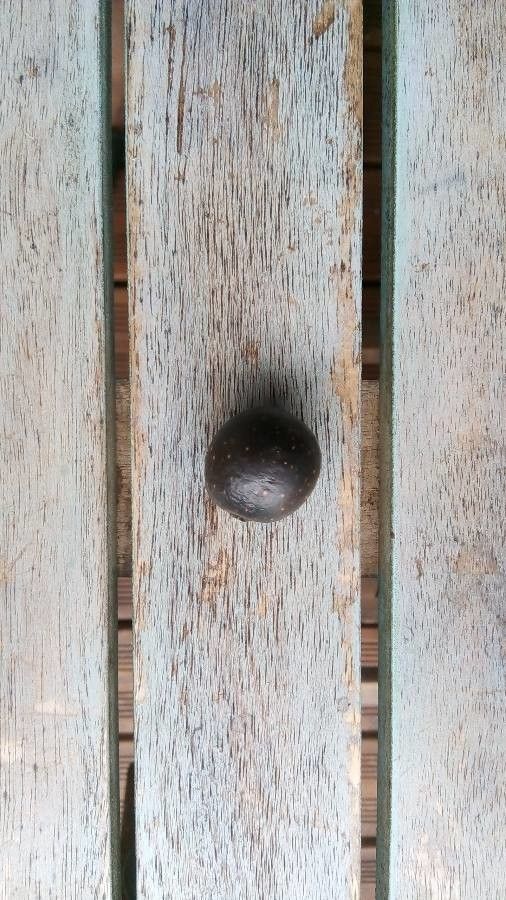
Oh, hello there! Come on in, grab a mug. It’s so lovely to connect with fellow plant lovers. Today, we’re diving into the wonderful world of propagating Vitex glabrata, often called Lavender Tree or Chinese Chaste Tree. If you’ve ever admired its graceful, lavender-blue flower spikes that just seem to hum with pollinators, you’re in for a treat. Getting your own starts from cuttings or divisions is incredibly satisfying, and honestly, it’s not as daunting as you might think!
Why Propagate Your Own Vitex?
There’s something so special about nurturing a new plant from a tiny cutting. It connects you to the rhythm of nature and saves you a bundle, too! Vitex glabrata can be a bit of a slow starter in its early days, but once you get the hang of a few things, it’s quite a rewarding plant to propagate. It’s definitely achievable for the enthusiastic beginner.
When is the Sweet Spot for Starting?
Timing is everything, right? For the best luck with Vitex glabrata cuttings, I find late spring to early summer is your golden window. This is when the plant is actively growing, pushing out fresh, new shoots. You want to take cuttings from semi-hardwood, which means the stems are no longer floppy and green but haven’t fully matured into stiff, woody branches. Think of a pencil – firm, but still pliable.
Your Propagation Toolkit: What to Gather
Don’t let a long list scare you! Most of these are standard gardening essentials:
- Sharp Pruning Shears or a Knife: For clean cuts, which are crucial for preventing disease.
- Rooting Hormone: A powder or gel will significantly boost your success rate by encouraging root development.
- A Well-Draining Potting Mix: I like a blend of peat moss, perlite, and a bit of coarse sand. This ensures good aeration and prevents soggy roots. You can also buy pre-made sterile seedling mixes.
- Small Pots or Trays: Clean pots, about 4-6 inches deep, are perfect.
- Plastic Bags or a Propagator Lid: To create a humid microclimate around your cuttings.
- Labels and a Marker: Always label your cuttings! Trust me, you’ll forget which is which.
- A Watering Can with a Fine Rose: For gentle watering.
Bringing New Life: Propagation Methods
Let’s get our hands dirty! Here are the methods I rely on:
Stem Cuttings: My Go-To Method
This is generally the most successful for Vitex glabrata.
- Take Your Cuttings: In late spring or early summer, select healthy, non-flowering shoots. Using your clean shears, cut stems that are about 4-6 inches long. Make the cut just below a leaf node (where a leaf attaches to the stem). This is where rooting hormones often work best.
- Prepare the Cuttings: Gently remove the lower leaves, leaving just a couple of sets at the top. This prevents them from rotting in the soil and reduces water loss. If the remaining leaves are very large, you can even cut them in half horizontally.
- Dip in Rooting Hormone: Lightly moisten the cut end of the stem and then dip it into your rooting hormone powder or gel. Tap off any excess.
- Plant Your Cuttings: Fill your pots with your prepared potting mix. Make a pilot hole with a pencil or your finger, then insert the cutting. Firm the soil gently around it to ensure good contact. You should plant several cuttings per pot; it’s okay if they don’t touch initially!
- Water Gently: Water the soil thoroughly but gently. Let excess water drain away.
- Create Humidity: Cover the pots with a clear plastic bag, supported by stakes so it doesn’t touch the leaves, or use a propagator lid. This traps moisture, which is vital for the cuttings. Place them in a bright spot out of direct sunlight.
Water Propagation (Less Common for Vitex, but Worth a Try!)
This is a simpler approach, though sometimes less reliable for woody plants.
- Select and Prepare Cuttings: Follow steps 1 and 2 from stem cuttings.
- Place in Water: Take a clean jar or glass and fill it with room-temperature water. Place your prepared cuttings in the water, ensuring no leaves are submerged.
- Change Water Regularly: Change the water every couple of days to keep it fresh and prevent bacterial growth.
- Observe for Roots: Keep the jar in a bright spot but out of direct sun. You should start to see tiny white roots emerge within a few weeks. Once the roots are about an inch long, you can carefully transplant them into your potting mix.
My “Secret Sauce” (Insider Wisdom!)
Here are a few little tricks that have served me well over the years:
- Bottom Heat is Your Friend: If you have them, placing your pots on a gentle heating mat can make a huge difference. It encourages root development from below, mimicking warm soil temperatures. Just make sure it’s a low setting – you don’t want to cook your cuttings!
- The “Wipe Test”: Once you think your cuttings might be rooted (after about 4-6 weeks), very gently tug on a cutting. If you feel a little resistance, that’s a good sign roots have formed! Don’t yank, just a tiny, gentle pull.
- Variety is the Spice of Life (for Cuttings): Take more cuttings than you think you’ll need. Not every single one will be a success, and that’s perfectly normal. It’s all part of the learning process, and having extras means you’re more likely to end up with a beautiful new plant or two!
Aftercare and When Things Go Wrong
Once you see new leaf growth or feel that resistance when tugging, congratulations! Your Vitex cutting is likely rooted.
- Acclimatize Gradually: Slowly start to open the plastic bag or propagator lid for longer periods over a week or two. This helps the new plant adjust to drier greenhouse air, or, well, your home air!
- Watering: Water when the top inch of soil feels dry. Avoid overwatering, as this is the quickest route to rot.
- Transplanting: Once the roots have filled the pot (you might see them peeking from the drainage holes), you can transplant your new Vitex glabrata into a slightly larger pot or its final garden location if the weather is right.
Troubleshooting: If your cuttings turn black and mushy, it’s almost always a sign of overwatering and poor drainage, leading to root rot. If they wilt and dry out completely, they needed more consistent moisture or humidity. Don’t be discouraged! Every gardener has had cuttings fail. It’s a learning curve.
Patience and the Joy of Growing
Propagating plants, especially ones as lovely as Vitex glabrata, is a journey. There will be moments of excitement, and perhaps a few that teach you a valuable lesson. Be patient with your little cuttings, give them the care they need, and don’t be afraid to experiment. The reward of seeing your own Lavender Tree unfurl its first leaves is truly immeasurable. Happy growing!
Resource:
https://identify.plantnet.org/k-world-flora/species/Vitex%20glabrata%20R.Br./data