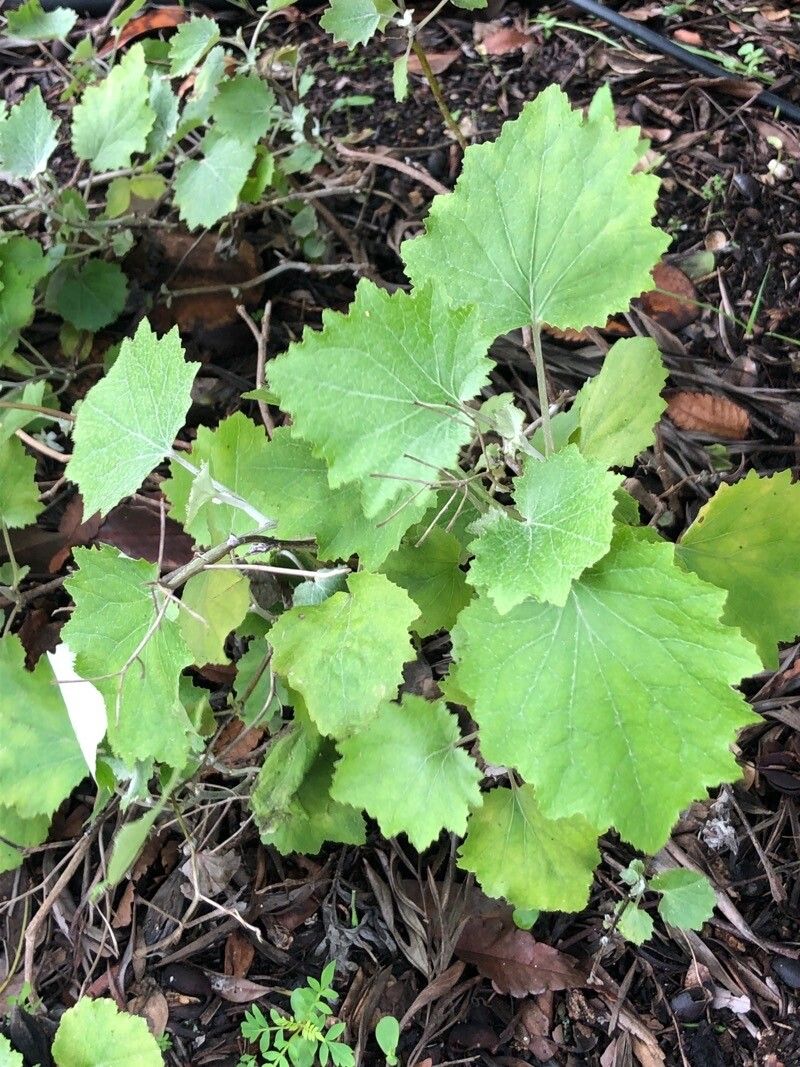
Oh, Pericallis aurita! If you’ve ever seen these beauties gracing a garden or spilling out of a pot, you know the soft, velvety texture of their leaves and the cheerful splash of their flowers. They bring such a joyous vibe, don’t they? And the best part? They’re not as tricky to propagate as some might think, making it a wonderfully rewarding endeavor for even those new to the plant parent club. Growing more of these stunners from your existing plants is a fantastic way to fill your garden or share the joy with friends.
The Best Time to Start
For Pericallis aurita, I find the sweet spot for propagation is in the late spring to early summer. This is when the plant is actively growing and has plenty of energy. You’re looking for healthy, non-flowering shoots that are vigorous and a good size – think about eight to ten inches long. Waiting until after the main flush of flowering is often a good idea, too, as the plant will be putting its energy into new growth.
Supplies You’ll Need
Gathering your supplies beforehand makes the whole process much smoother. Here’s what I usually have on hand:
- Sharp Pruning Shears or a Clean Knife: For making precise cuts.
- Rooting Hormone: A little boost can make a big difference, though some plants are quite happy without it. I prefer a powder.
- Well-Draining Potting Mix: A mix of peat moss and perlite or vermiculite works wonderfully. You want something that won’t hold too much moisture.
- Small Pots or Trays: Clean ones are essential to prevent disease.
- Clear Plastic Bags or Domes: To create a humid environment for your cuttings.
- Watering Can with a Fine Rose or Spray Bottle: For gentle watering.
Propagation Methods
My go-to method for Pericallis aurita is stem cuttings. It’s reliable, and you can get quite a few new plants from a single parent.
- Take Your Cuttings: Using your clean shears or knife, take cuttings from healthy, non-flowering stems. Each cutting should have at least two or three sets of leaves. Cut just below a leaf node (where the leaf attaches to the stem).
- Prepare the Cuttings: Gently remove the lower leaves from the cutting, leaving just the top two or three sets intact. This prevents them from rotting when they’re in the soil. If your cuttings are particularly long, you can pinch off the very tip to encourage bushier growth later.
- Apply Rooting Hormone: Dip the cut end of each stem into your rooting hormone. Tap off any excess. This isn’t strictly necessary for Pericallis aurita, but it can speed up the rooting process.
- Plant the Cuttings: Fill your small pots with your well-draining potting mix. Make a small hole in the center of the soil with your finger or a pencil. Gently insert the cut end of the stem into the hole, making sure the rooting hormone stays on the cut surface. Firm the soil gently around the stem.
- Create a Humid Environment: Water the soil lightly. Then, cover the pot with a clear plastic bag or place it under a clear dome. This will trap humidity, which is crucial for cuttings to root. You can use small stakes to keep the plastic bag from touching the leaves.
- Provide Light and Warmth: Place the pots in a bright location but out of direct, harsh sunlight. A bit of ambient warmth is also beneficial – a sunny windowsill or a propagation mat can help.
The “Secret Sauce” (Pro Tips)
Here are a couple of little tricks I’ve learned that can really boost your success with these cuttings:
- Don’t Let Those Leaves Touch the Water (If Water Propagating): While I primarily use soil for Pericallis aurita, if you’re tempted to try water propagation for a few, make sure no leaves are submerged. Any leaves sitting in the water will just rot and can contaminate the water, leading to the whole cutting going south. Only the stem should be in the water.
- Bottom Heat is a Game Changer: If you can, using a propagation mat under your pots can make a remarkable difference. It provides gentle bottom warmth, encouraging root development much faster than relying solely on ambient room temperature. You’ll see those little roots forming with more vigor.
Aftercare & Troubleshooting
Once your cuttings have started to root – you’ll see new leaf growth or feel a gentle tug when you very carefully try to pull them – it’s time to ease them out of their humid little worlds. Gradually remove the plastic bag over a few days, allowing them to acclimatize to the normal humidity. Continue to water them, keeping the soil consistently moist but not waterlogged.
The most common issue you might encounter is rot. If you see a cutting turning black and mushy, it’s usually a sign of too much moisture and not enough air circulation. A good well-draining mix and not overwatering are your best defenses. If you see tiny white fuzzy mold on the soil surface, it’s usually harmless, but if it’s extensive, you might need to repot with fresh, sterile soil.
A Encouraging Closing
Be patient with yourself and your new little plants. Propagation is a journey, and sometimes things take a little longer than expected. Celebrate every tiny success, whether it’s a new leaf unfurling or a sturdy root system. Enjoy the process of nurturing these beautiful plants, and soon you’ll have a whole collection of your own vibrant Pericallis aurita! Happy growing!
Resource:
https://identify.plantnet.org/k-world-flora/species/Pericallis%20aurita%20(L’Hér.)%20B.Nord./data