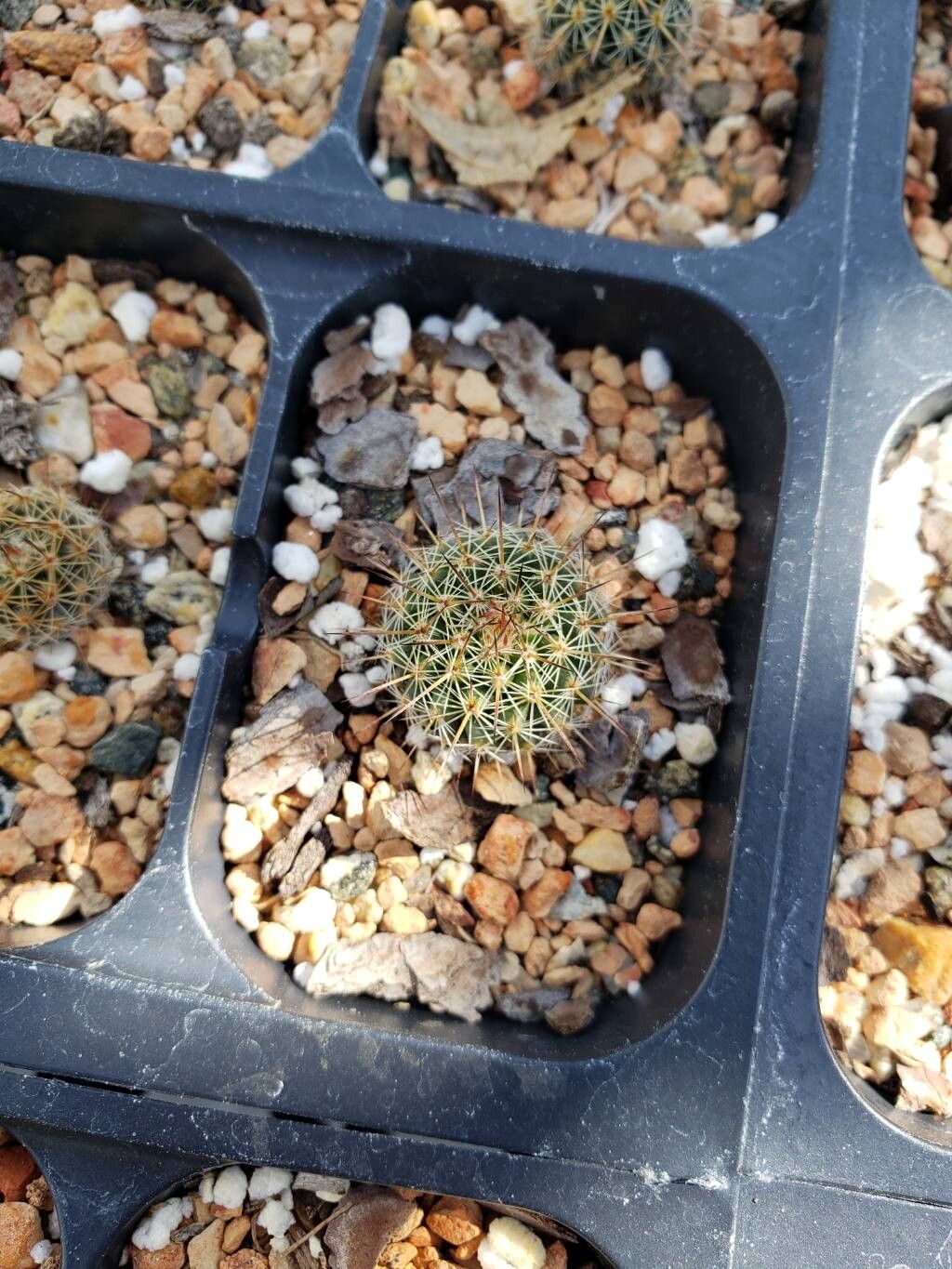
Ah, Mammillaria gigantea! What a magnificent specimen to have in your collection. Those fuzzy spines, the way they cluster and grow – it’s truly a marvel of the desert world. If you’re anything like me, seeing a plant thrive and then having the chance to create more of these beauties from your existing one brings such a special kind of joy. Propagating Mammillaria gigantea is a wonderfully rewarding process, and I’m happy to share my secrets with you. Don’t worry, it’s not as daunting as it might sound.
The Best Time to Start
For the highest success rate, I always aim to propagate Mammillaria gigantea during its active growing season. This is typically in the spring and early summer. You’ll find the plant is full of vigor then, and any new cuttings or pups will have the best chance to establish themselves quickly before the cooler weather sets in. Don’t rush it if your plant is still recovering from winter; wait for those signs of new growth.
Supplies You’ll Need
Gathering your supplies beforehand makes the whole process so much smoother. Here’s what I always have on hand:
- Well-draining soil mix: A cactus and succulent mix is a good start. I often amend mine with extra perlite or pumice for even better drainage.
- Sharp, sterilized knife or pruning shears: A clean cut is crucial to prevent disease. I use rubbing alcohol to sterilize my tools.
- Rooting hormone (optional but recommended): This isn’t strictly necessary for Mammillaria gigantea, but it can give your cuttings a helpful boost.
- Small pots or seed trays: About 2-4 inch pots are usually perfect for new propagations.
- Gravel or grit: A thin layer on top of the soil can help keep the base of the cutting dry.
- Watering can with a fine rose or spray bottle: For gentle watering.
- Gloves (optional): Those spines can be quite insistent!
Propagation Methods
Mammillaria gigantea is a generous plant, and it often gives you a head start by producing offsets or pups.
Ventral Offsets (Pups) – The Easiest Way
This is my favorite method for Mammillaria gigantea because it’s so straightforward. As the main plant grows, you’ll notice smaller baby cacti forming at its base.
- Wait for size: Let the pups grow to a decent size, at least an inch or two in diameter. This gives them more energy reserves.
- Gently separate: Using your sterilized knife or pruning shears, carefully slice the pup away from the mother plant as close to the base as possible. Try to get a small bit of the mother plant’s stem with the pup if you can.
- Callus over: This is vitally important! Place the pup in a dry, well-lit spot away from direct sun for a few days to a week. You want the cut end to dry out and form a protective callus. This prevents rot when you plant it.
- Planting: Once callused, fill your small pot with your well-draining soil mix. Make a small hole in the center and gently place the pup into the soil, ensuring the callused end is covered. You can use a bit of gravel on top to help support it.
- Water sparingly: Wait about a week after planting before you water. When you do, water lightly.
Stem Cuttings (Less Common, but Possible)
If your main plant becomes leggy or you want to try a different approach, you can take stem cuttings. This is a bit more involved.
- Select a healthy stem: Choose a firm, healthy section of the cactus.
- Clean cut: Using your sterilized knife, make a clean, straight cut from the mother plant.
- Callus thoroughly: Just like with the pups, you absolutely must let the cut end dry and callus over completely. This can take anywhere from one to two weeks. Be patient!
- Planting: Once callused, plant the cutting upright in your prepared soil mix. You can gently push the callused end into the soil.
- Support: Stem cuttings may need a little support, like small stakes, to stay upright until they root.
- Watering: Again, wait about a week after planting before that first light watering.
The “Secret Sauce” (Pro Tips)
After years of getting my hands dirty, I’ve learned a few tricks that make all the difference.
- Don’t water too soon after planting: This is the number one mistake I see beginners make. New cuttings are susceptible to rot, and that moist soil without roots is a recipe for disaster. Hold off, even if it feels wrong. The plant is happy to sit dry for a bit while it encourages root growth.
- Bottom heat can be a game-changer: If you have a propagation mat or can place your pots on a warm surface (like near a router), the gentle warmth will significantly speed up root development. Think of it as a cozy incubation period for your new cactus baby.
- Airflow is your friend: While you want to avoid drying out your propagating plant completely, good air circulation is key to preventing fungal issues. Don’t overcrowd your cuttings, and if you have them in a confined space, consider a small fan on a low setting.
Aftercare & Troubleshooting
Once you see signs of new growth – often indicated by a slight plumping of the tissue or even tiny new spines – you know your Mammillaria gigantea has rooted!
- Gradual watering: Start watering a bit more frequently, but always let the soil dry out between waterings. The goal is to mimic their natural desert environment.
- Transplanting: When your new plant has grown noticeably and filled its pot, it’s time to transplant it into a slightly larger pot with fresh, well-draining soil.
- Watch for rot: The most common problem is rot, usually caused by overwatering or not letting cuttings callus properly. If you notice the plant turning mushy, developing dark spots, or smelling foul, it’s likely rot. Unfortunately, if rot has set in significantly, it can be very difficult to save. Try to cut away any affected parts with a sterilized knife and let the healthy parts callus and try again.
- Pests: Keep an eye out for mealybugs or spider mites, especially on new, tender growth. Treat them promptly with insecticidal soap or neem oil.
A Encouraging Closing
Propagating Mammillaria gigantea is a journey, and like any good journey, it requires a little patience. Watch your plant closely, learn from each step, and celebrate every little success. Before you know it, you’ll have a whole collection of these prickly wonders, each a testament to your green thumb and the magic of growth. Happy propagating!
Resource: