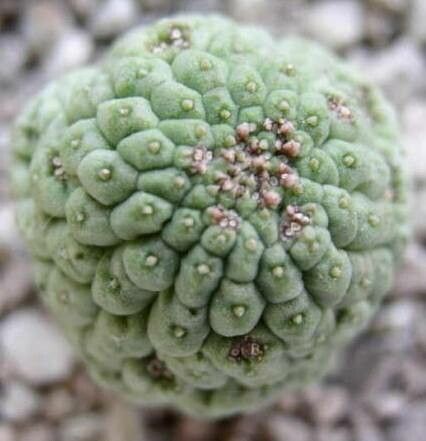
Hello, fellow plant enthusiasts! I’m so excited to delve into the world of Larryleachia cactiformis with you today. If you’ve ever admired these quirky, cactus-like succulents with their fascinating textures and star-shaped blooms, you’re not alone. Personally, I find them utterly charming! Propagating them is a wonderful way to share their unique beauty and a truly satisfying gardening endeavor. Now, are they a walk in the park for absolute beginners? I’d say they’re a delightful challenge, more suited for those who’ve dabbled a bit with succulents. But don’t let that deter you; with a little patience and this guide, you’ll be well on your way!
The Best Time to Start
For Larryleachia cactiformis, like most succulents, the active growing season is your prime time. Think late spring through summer. This is when the plant has the most energy to produce roots and new growth. Trying to propagate in the dead of winter or when the plant is clearly dormant is a recipe for disappointment. You want to work with a plant that’s eager to stretch and grow!
Supplies You’ll Need
Gathering your tools beforehand makes the whole process smoother. Here’s what I usually have on hand:
- Well-Draining Potting Mix: A gritty cactus and succulent mix is essential. I often mix in extra perlite or pumice to ensure excellent drainage.
- Clean, Sharp Pruning Shears or a Knife: For making clean cuts. Sterilize them with rubbing alcohol before and after use.
- Rooting Hormone (Optional, but Recommended): This can give your cuttings a helpful boost.
- Small Pots or Trays: For your new baby plants. Make sure they have drainage holes!
- Spray Bottle: For misting.
- Labels or Markers: To keep track of what you’ve propagated.
- A Bright, Indirect Light Location: For your new cuttings.
Propagation Methods
Larryleachia cactiformis is primarily propagated through stem cuttings. It’s straightforward and generally offers a good success rate if done at the right time and with proper care.
Stem Cuttings:
- Find a Healthy Stem: Look for a mature, healthy stem on your Larryleachia. You want one that looks plump and vibrant.
- Make the Cut: Using your sterilized shears or knife, make a clean cut just above a segment node. Aim for a cutting at least a few inches long. If your Larryleachia has smaller, branching stems, you can take those too.
- Allow to Callus: This is a critical step! Place your cuttings in a dry, well-ventilated spot away from direct sun for several days to a week. You want the cut end to dry out and form a callus. This prevents rot when you plant it.
- Prepare for Planting: Once callused, you can dip the cut end in rooting hormone, if you’re using it.
- Plant the Cutting: Fill your small pot or tray with your well-draining cactus mix. Make a small hole with your finger or a pencil, and gently insert the callused end of the cutting. Ensure the cutting is stable, but don’t pack the soil too tightly around it. For cuttings that are a bit top-heavy, you might need to prop them up with small stones or skewers.
- Wait for Roots: Resist the urge to water immediately! Wait for about a week, then give it a very light watering. You can also give it a gentle misting every few days. Place the pot in a bright location that receives indirect sunlight.
The “Secret Sauce” (Pro Tips)
After years of trial and error, I’ve picked up a few tricks that seem to make all the difference:
- The Two-Week Rule for Watering: After planting your callused cuttings, I find it best to wait at least two weeks before the first thorough watering. Until then, light misting is all you need. This really encourages those roots to seek out moisture.
- Bottom Heat is Your Friend: If you can, placing your pots on a gentle heat mat designed for seedlings can significantly speed up root development. It mimics the warmth of spring and gives those roots an extra push.
- Don’t Overcrowd Your Cuttings: Give each cutting enough space. Cramming too many together can lead to poor air circulation and increase the risk of fungal issues. Trust me, if they all take, you’ll have plenty to pot up individually later!
Aftercare & Troubleshooting
Once you see signs of new growth – a little sprout or the plant looking plump and firm – it’s a good indication that roots are forming! Now, transition to more regular, but still light, watering. Let the soil dry out between waterings.
The most common problem you’ll encounter is rot. This happens when the cutting is too wet for too long, especially before it has callused properly or developed roots. If you see your cutting becoming mushy, black, or smelling foul, sadly, it’s likely a goner. You’ll need to discard it and start fresh, making sure to address the drainage and watering issues. Another sign of trouble is a cutting that shrivels excessively and doesn’t seem to plump up; this might mean it’s not forming roots and is simply drying out.
A Encouraging Closing
Propagating Larryleachia cactiformis is a journey, not a race. Be patient with your cuttings; some might take weeks, even months, to show signs of life. Don’t get discouraged if not every single one succeeds. Each attempt is a learning opportunity, and the satisfaction of seeing a new plant thrive from a simple cutting is incredibly rewarding. Happy propagating, and enjoy the process of growing your succulent family!
Resource: