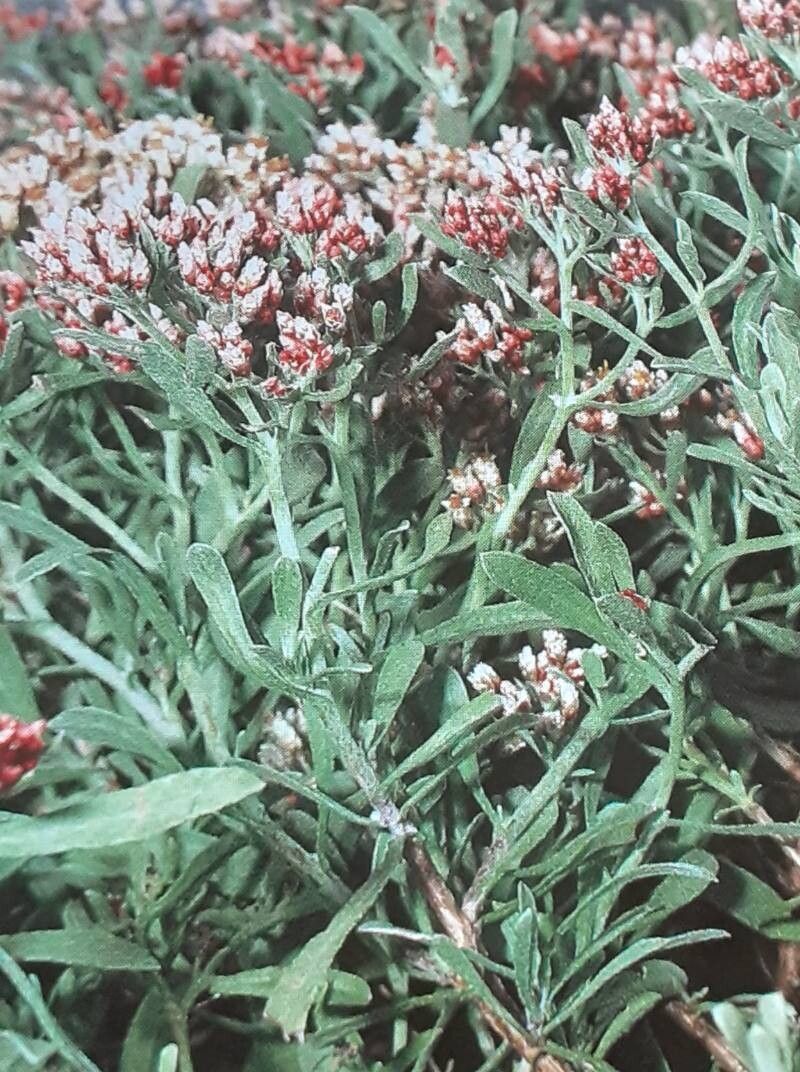
Oh, little Helichrysum monogynum! What a treasure to have in the garden. Its feathery, silver foliage is such a delight, and when it blooms with those charming little yellow button flowers, it’s like a sprinkle of sunshine. Propagating this beauty isn’t just about getting more plants, though that’s a wonderful perk. It’s about connection, about understanding the life cycle of something so lovely. For beginners who are just dipping their toes into propagation, I’d say Helichrysum monogynum is a moderately easy plant to start with. With a little care and attention, you’ll have new little ones in no time.
The Best Time to Start
The prime time for propagating Helichrysum monogynum is definitely when the plant is in an active growth phase, usually from late spring through early summer. This is when the stems are nice and firm, not too woody but also not still too soft and floppy. You want to catch it when it’s got good energy for rooting.
Supplies You’ll Need
Here’s what you’ll want to have on hand before you begin:
- Sharp, clean pruning shears or a sharp knife: Cleanliness is paramount to prevent disease.
- Small pots or seed trays: Something with drainage holes is a must!
- Well-draining potting mix: I like to use a mix of equal parts peat moss or coir, perlite (or vermiculite), and a bit of sand. For a very beginner-friendly option, a good quality succulent or cactus mix works wonderfully.
- Rooting hormone (optional but helpful): A powder or gel will encourage faster and stronger root development.
- Watering can or spray bottle: For gentle watering.
- Plastic bag or propagator lid: To create a humid environment.
- Labels or markers: To keep track of what you’ve planted and when.
Propagation Methods
Let’s get our hands dirty! The most successful way I’ve found to propagate Helichrysum monogynum is through stem cuttings.
Stem Cuttings:
- Select your cuttings: Head out to your happy Helichrysum monogynum plant. Look for healthy, non-flowering stems. You want pieces that are about 4-6 inches long.
- Make the cut: Using your clean shears or knife, make a clean cut just below a leaf node. A leaf node is where a leaf joins the stem. This is where the magic of root formation happens.
- Prepare the cutting: Gently remove the lower leaves from the bottom half of your cutting. If there are any flower buds, pinch those off too. You want the plant to focus its energy on rooting, not flowering or supporting a lot of leaves.
- Apply rooting hormone (if using): Dip the cut end of the stem into your rooting hormone. Tap off any excess.
- Plant your cuttings: Fill your small pots with your well-draining mix. Make a small hole in the center with your finger or a pencil. Gently insert the cut end of the stem into the hole, ensuring a few leaf nodes are below the soil surface. Firm the soil gently around the stem.
- Water lightly: Water thoroughly but gently. You don’t want to dislodge your cuttings. A spray bottle is excellent for this initial watering.
- Create humidity: Cover the pot with a clear plastic bag or a propagator lid. This traps moisture, creating a mini-greenhouse. You can use small stakes to keep the bag from touching the leaves. Place the pots in a bright spot, but out of direct, hot sunlight.
The “Secret Sauce” (Pro Tips)
Here are a couple of little tricks I’ve picked up over the years that really make a difference:
- Don’t let the leaves touch the water: If you’re tempted to try water propagation (though stem cuttings in soil are usually more reliable for this plant), make sure none of the leaves are submerged. Any leaves sitting in water will rot, and that can spread to the cutting itself.
- Bottom heat is a game-changer: If you have a heat mat designed for seedlings, placing your pots on it can significantly speed up rooting. It mimics that lovely warmth that encourages roots to grow. Just make sure the heat isn’t too intense – slightly warm to the touch is perfect.
Aftercare & Troubleshooting
Once your cuttings are planted and tucked into their humid little homes, patience is key! Keep the soil consistently moist but not waterlogged. You’ll know they’re happy when you see new leaf growth. This can take anywhere from 2 to 6 weeks, sometimes longer.
The most common sign of failure is rot. If your cutting turns mushy, black, or just wilts away without any sign of rooting, it’s likely succumbed to rot. This is usually due to too much moisture and not enough air circulation. If you see this, sadly, it’s best to discard it and try again. Over time, you’ll start to feel a gentle resistance when you very lightly tug on the stem. That’s a good sign roots are forming! Once you see that resistance or new growth, you can gradually acclimate your new plants to open air by opening the plastic bag a little more each day over a week.
A Gentle Closing
Propagation is a journey, and every journey has its bumps. Don’t be discouraged if your first attempt isn’t perfect. Each time you try, you learn a little more. Keep experimenting, keep observing, and most importantly, enjoy the process of nurturing new life. Happy gardening!
Resource: