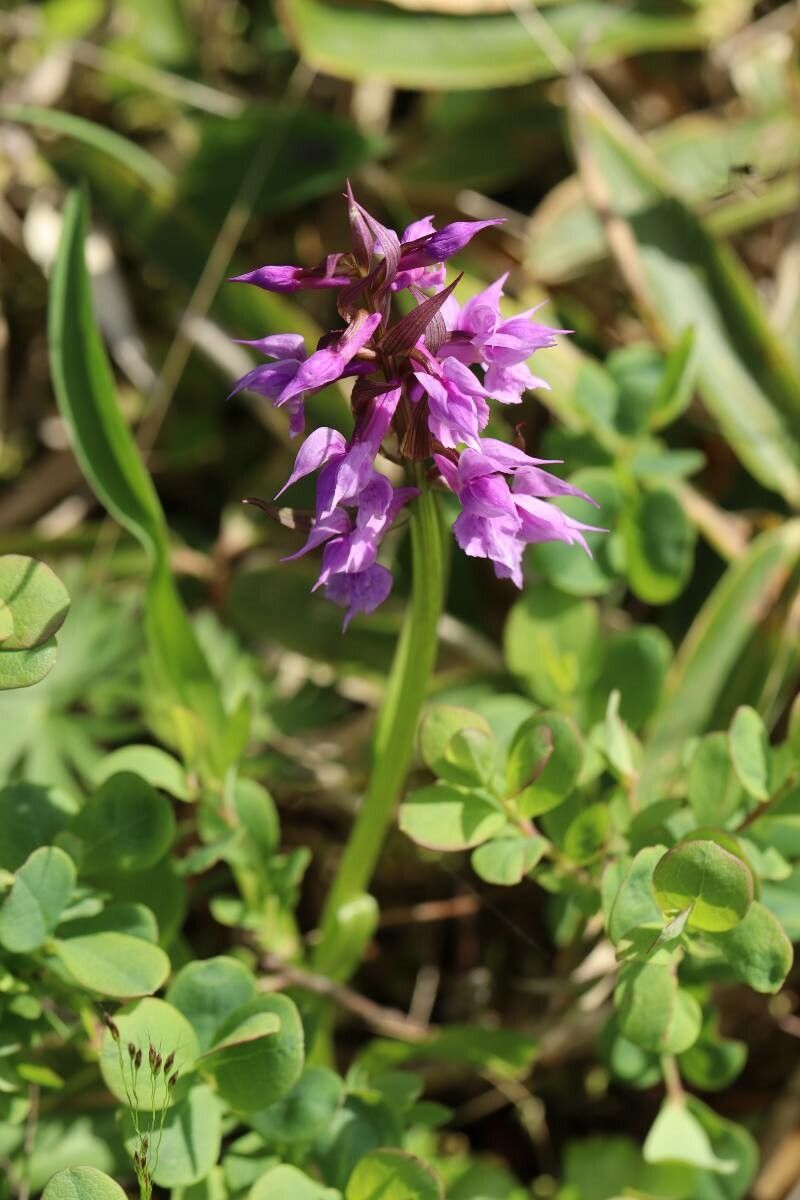
Hello, fellow plant lovers! I’m so excited to talk to you today about a truly special orchid – Dactylorhiza aristata. If you’re looking for a native orchid that’s a bit more forgiving than some of its finicky cousins, this might be your perfect match. Its charm lies in its delicate, often vibrantly colored blooms and its robust nature, making it a delight to see flourishing in the garden. Propagating these beauties can feel like a magical act, and the reward of seeing new life sprout from your efforts is incredibly satisfying. Now, are they a walk in the park for absolute beginners? Honestly, orchids can present a learning curve, but Dactylorhiza aristata is a wonderful place to start your orchid propagation journey.
The Best Time to Start
For Dactylorhiza aristata, the sweet spot for propagation is generally late winter to early spring, just as the plant is starting to wake up from its dormancy. You’re looking for signs of new growth – little shoots emerging from the soil. This is when the plant has the most energy to dedicate to establishing new roots.
Supplies You’ll Need
Here’s what I recommend having on hand:
- Sharp, sterilized pruning shears or a clean knife: For making precise cuts.
- Well-draining potting mix: I like a bark-based orchid mix with added perlite for aeration.
- Small pots or trays with drainage holes: Terra cotta pots are my preference as they breathe well.
- Optional: Rooting hormone powder: While not always strictly necessary for Dactylorhiza, it can give a helpful boost.
- Watering can with a fine rose: For gentle watering.
- Labels and a marker: To keep track of your experiments!
Propagation Methods
For these lovely orchids, we’re going to focus on one of the most reliable methods: division.
Division: This isn’t technically propagation from a cutting, but rather splitting the existing plant into smaller, viable sections.
- Prepare Your Plant: Make sure your Dactylorhiza aristata is out of its pot. Gently shake off as much of the old soil as you can to get a clear view of the tuberous roots. You’ll likely see fleshy tubers, and often, new shoots are present at the base of these.
- Identify Division Points: Look for natural breaks in the root system. You want each section to have at least one healthy-looking tuber and at least one new shoot or bud. Sometimes, you might even see roots already developing from a shoot.
- Make the Cut: Using your sterilized shears or knife, carefully separate the desired sections. If the tubers are tightly intertwined, you may need to gently tease them apart with your fingers. Avoid twisting or tearing aggressively. If you’re using rooting hormone, lightly dust the cut surfaces.
- Potting Up: Prepare your small pots with your well-draining orchid mix. Place each divided section into a pot, ensuring the tuber is just below the surface of the soil and the shoot is pointing upwards.
- Water Gently: Water the newly potted divisions thoroughly, allowing excess water to drain away.
The “Secret Sauce” (Pro Tips)
Here are a couple of things I’ve learned over the years that make a difference:
- Don’t Disturb Too Much: Orchids, even these more robust ones, don’t love being fussed over. Once you’ve potted your divisions, try your best to leave them be for several weeks. Resist the urge to constantly check for roots. They need time to settle in without extra stress.
- Mimic Their Natural Habitat: Dactylorhiza aristata often thrives in moist, but not waterlogged, conditions. Try to maintain consistent humidity around your new plants. A humidity tray (a tray filled with pebbles and water, making sure the pot sits on the pebbles, not in the water) can work wonders, especially if you live in a dry climate.
Aftercare & Troubleshooting
Once your divisions are potted, the key is consistent moisture and good airflow.
- Watering: Water when the top inch of the soil feels dry to the touch. Always ensure good drainage. It’s better to underwater slightly than to overwater.
- Light: Place your new plants in a location with bright, indirect light. Avoid direct sun, which can scorch delicate new growth.
- Signs of Success: Look for new leaf growth appearing from the shoot. This is your biggest indicator that roots are forming and the division is taking hold.
- Troubleshooting (Rot): The most common issue you might face is rot, signaled by mushy, blackening stems or tubers. This is almost always due to overwatering or poor drainage. If you suspect rot, carefully remove the affected division from its pot. You may need to trim away any rotted tissue with sterilized tools and repot it in fresh, dry mix. Sometimes, it’s a tough call, and it’s important to learn from these setbacks.
A Bit More Patience
Propagating Dactylorhiza aristata takes time, and that’s perfectly okay. Be patient with your new plants. Observe them, give them what they need, and celebrate every little bit of progress. The joy of nurturing these orchids from existing plant into new life is truly its own reward. Happy gardening!
Resource: