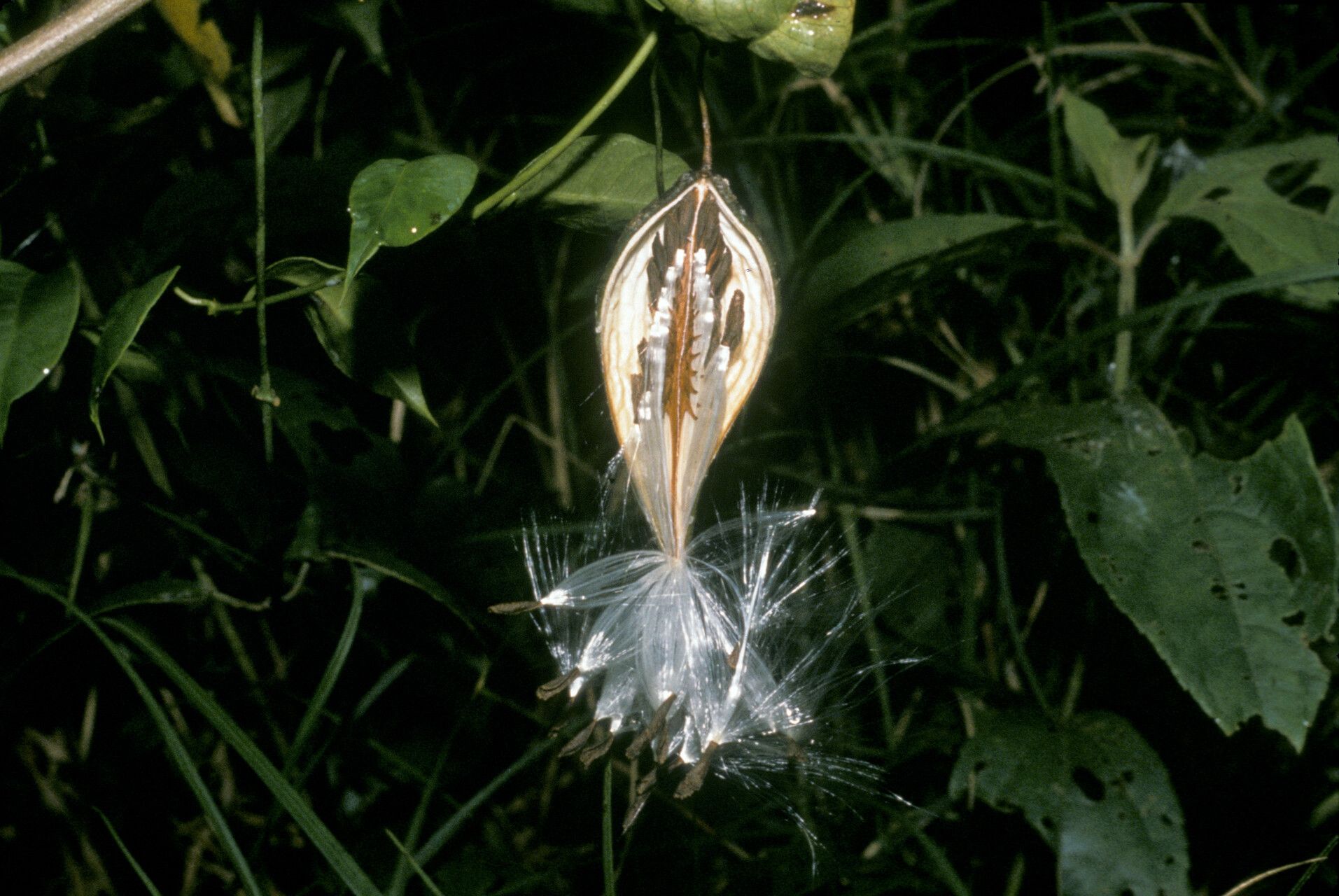
Hello there, fellow plant lovers! Today, we’re diving into the delightful world of Cynanchum blandum, often called “sweet root” or sometimes by other charming local names. If you’re looking for a vine that rewards you with gorgeous, fragrant blooms and a touch of the exotic, you’ve found a winner. And the best part? Sharing this beauty is surprisingly achievable through propagation. I find it incredibly rewarding to watch a tiny cutting transform into a thriving plant, and I think you will too. Now, is Cynanchum blandum a total beginner plant to propagate? Honestly, it’s not the absolute easiest, but with a little attention and these tips, you’ll be surprised at how well you can do. Keep a cup of your favorite brew handy, and let’s get started!
The Best Time to Start
For the highest chance of success with Cynanchum blandum, I always aim for late spring or early summer. This is when the plant is actively growing, meaning it has plenty of energy to put into developing new roots. Look for stems that are vigorous and healthy. Avoid taking cuttings from flowering stems, as the plant will be dedicating its energy to bloom production, not root formation. A good indicator is when you see new leaf growth emerging.
Supplies You’ll Need
Gathering your tools beforehand makes the whole process much smoother. Here’s what I typically have on hand:
- Sharp, clean pruning shears or a sharp knife: Essential for making clean cuts, which helps prevent disease.
- Rooting hormone (optional but recommended): A powder or gel that significantly boosts your chances of rooting.
- A well-draining potting mix: I like a blend of peat moss or coco coir, perlite, and a bit of compost. You can also buy a good quality seed-starting or succulent mix.
- Small pots or trays: Clean pots are a must! 4-inch pots work well for individual cuttings.
- Plastic bags or a humidity dome: To create a mini greenhouse effect for your cuttings.
- Watering can or misting bottle: For gentle watering.
- Labels and a marker: Don’t forget to label your cuttings! You’ll thank yourself later.
Propagation Methods
Cynanchum blandum is most commonly propagated from stem cuttings. This is my go-to method for this plant.
Stem Cuttings:
- Take the Cutting: Using your clean shears, select a healthy, non-flowering stem. Cut a section that’s about 4-6 inches long. Make your cut just below a leaf node (where a leaf attaches to the stem). These nodes are where roots are most likely to form.
- Prepare the Cutting: Gently remove the lower leaves from the cutting, leaving just a few at the top. This prevents the buried leaves from rotting.
- Apply Rooting Hormone (Optional): If you’re using rooting hormone, dip the cut end of the stem into the powder or gel. Tap off any excess.
- Plant the Cutting: Fill your small pots with your prepared potting mix. Make a small hole in the center of the soil with your finger or a pencil. Insert the cut end of the stem into the hole, ensuring at least one leaf node is below the soil surface. Gently firm the soil around the stem.
- Water Gently: Water the soil thoroughly but gently. You don’t want to disturb the cutting.
- Create Humidity: Cover the pot loosely with a plastic bag or place it under a humidity dome. This keeps the humidity high, which is crucial for cuttings while they develop roots. If using a plastic bag, make sure the leaves don’t touch the sides.
The “Secret Sauce” (Pro Tips)
Here are a couple of tricks I’ve learned over the years that make a big difference:
- Don’t Overwater! This is probably the most common mistake. Cuttings are susceptible to rot if the soil stays too wet. Your goal is consistently moist, not soggy, soil. Stick your finger in about an inch – if it feels dry, it’s time to water.
- Bottom Heat is Your Friend: If you have a heat mat, placing your pots on it can significantly speed up root formation. This mimics the warmth of summer soil and gives your cuttings an extra boost. Keep the temperature around 70-75°F (21-24°C).
Aftercare & Troubleshooting
Once Roots Appear: After about 4-6 weeks, you should start to see new leaf growth, which is a good sign that roots have formed. You can gently tug on the cutting – if there’s resistance, you’ve got roots! You can also carefully lift it out to check. Once rooted, you can remove the plastic covering.
Ongoing Care: Continue to water when the top inch of soil feels dry. As the plant grows, you can move it into a slightly larger pot if needed. Keep it in bright, indirect light.
Common Signs of Failure:
- Rotting: If the stem turns black and mushy at the soil line or anywhere else, it’s likely rot. This is usually due to overwatering or poor air circulation. Unfortunately, if rot sets in, it’s very difficult to save the cutting.
- Wilting that doesn’t recover: If your cutting wilts and doesn’t perk up after watering, it might not have developed enough roots to support itself. Sometimes, lack of humidity can cause this too.
A Encouraging Closing
Propagating Cynanchum blandum is a wonderful way to expand your collection or share the beauty of this plant with friends. Be patient with the process; nature has its own timeline. Don’t be discouraged if your first attempt isn’t a smashing success. Each cutting is a learning experience. The joy you’ll feel when that first new leaf unfurls is absolutely worth the effort. Happy propagating!
Resource:
https://identify.plantnet.org/k-world-flora/species/Cynanchum%20blandum%20(Decne.)%20Sundell/data