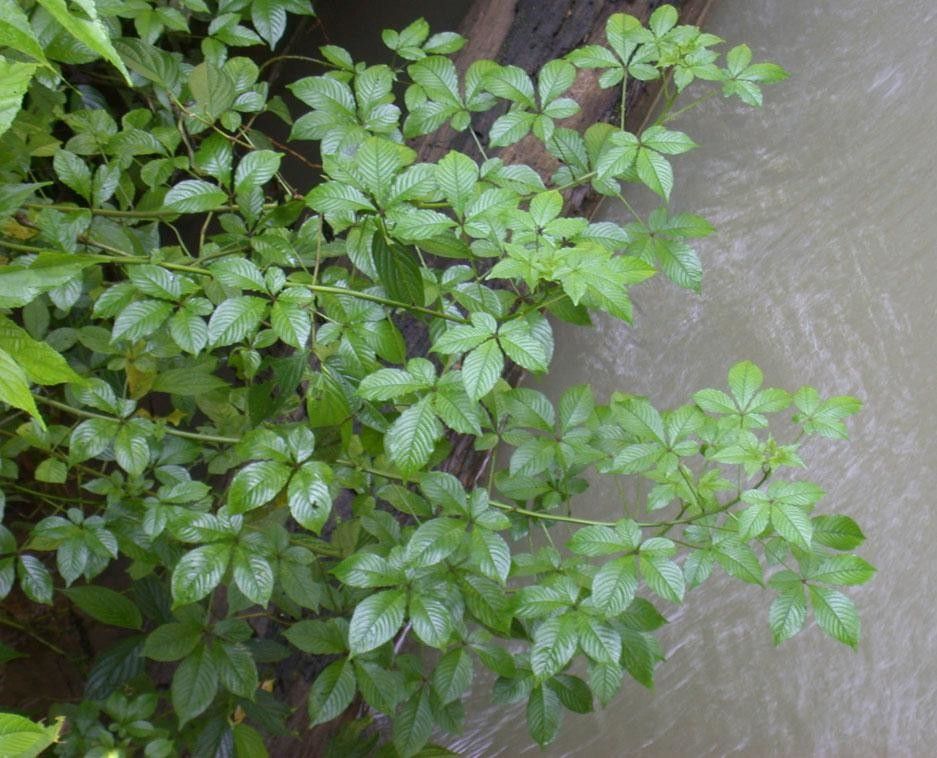
Oh, hello there! Pull up a chair, let’s chat about cleomes. If you’ve ever admired those whimsical, spidery blooms gracefully nodding in the garden, you know what I mean. Cleome, especially Cleome longipes, has a way of adding a touch of ethereal magic. They’re not just pretty faces; they’re also wonderfully rewarding to propagate. As a beginner, you might find some plants a bit daunting, but don’t fret! Cleomes are generally quite forgiving. With a little know-how, you’ll be well on your way to filling your garden with these beauties for years to come.
The Best Time to Start
Timing is everything in the garden, isn’t it? For cleomes, the sweet spot for propagation by cuttings is often late spring to early summer. This is when the plant is actively growing and has plenty of young, tender stems. You’re looking for stems that are green and flexible, not woody and mature. Waiting until after the risk of frost has passed is also key.
Supplies You’ll Need
Gathering your tools before you begin makes the whole process so much smoother. Here’s what I usually have on hand:
- Sharp, clean pruning shears or a razor blade. Sterilize them with rubbing alcohol!
- A well-draining potting mix. I often use a blend of equal parts peat moss, perlite, and a good quality potting soil.
- Small pots or seedling trays with drainage holes.
- A plastic bag or propagator lid to create a humid environment.
- Optional: Rooting hormone. This can give cuttings a little boost, but cleomes often root well without it.
- A watering can with a fine rose attachment, or a spray bottle.
Propagation Methods
While cleomes can be grown from seed (and I love that too!), propagating from cuttings is a fantastic way to get established plants quickly and true to the parent.
Stem Cuttings: This is my go-to method for cleomes.
- Take the cuttings: Choose a healthy, non-flowering stem that’s about 4-6 inches long. Look for a stem that snaps cleanly when bent, not one that feels brittle. Make a clean cut just below a leaf node (where a leaf attaches to the stem).
- Prepare the cuttings: Gently remove the lower leaves from the cutting, leaving only the top few leaves attached. If you’re using rooting hormone, dip the cut end into it now, tapping off any excess.
- Pot them up: Fill your small pots or trays with your prepared potting mix. Make a hole in the center of the soil with your finger or a pencil.
- Insert the cuttings: Place the cut end of the cleome stem into the hole, ensuring the leaf nodes where you removed leaves are buried. Gently firm the soil around the base of the cutting.
- Water gently: Water thoroughly but gently, so as not to dislodge the cuttings.
- Create humidity: Cover the pots with a plastic bag or propagate lid. You want to create a mini-greenhouse effect to keep the humidity high around your cuttings. Make sure the plastic doesn’t touch the leaves if possible. Set them in a bright location, but out of direct sunlight.
The “Secret Sauce”
Here are a couple of things I’ve learned over the years that really make a difference:
- Bottom heat is your friend: If you have a heat mat, placing your cuttings on it can significantly speed up root development. Cleome roots love a bit of warmth to get going.
- Don’t drown them: While humidity is crucial, soggy soil leads to rot. Make sure your mix is well-draining, and only water when the top inch of soil feels dry to the touch. Mist the leaves occasionally if they look a bit thirsty, but the soil should be the priority.
Aftercare & Troubleshooting
Once you start seeing new growth appear, that’s a great sign! It usually means roots are forming.
- Acclimatize: Gradually remove the plastic bag or propagator lid over a few days to help the new plants adjust to normal humidity levels.
- Transplant: When the cuttings have developed a good root system (you can check by gently tugging on them or seeing roots emerge from the drainage holes), they are ready to be transplanted into larger pots.
- Watch for rot: The most common problem you’ll encounter is rot, often appearing as blackening or mushy stems. This is usually a sign of overwatering or poor drainage. If you see it, try to remove the affected cutting(s) immediately to prevent it from spreading.
Propagating cleomes is a journey, and like any good gardening project, it’s about patience and observation. Don’t be discouraged if not every cutting takes. Keep experimenting, enjoy the process, and soon you’ll have a whole garden full of these beautiful, airy blooms. Happy gardening!
Resource:
https://identify.plantnet.org/k-world-flora/species/Cleome%20longipes%20Lamb.%20ex%20DC./data