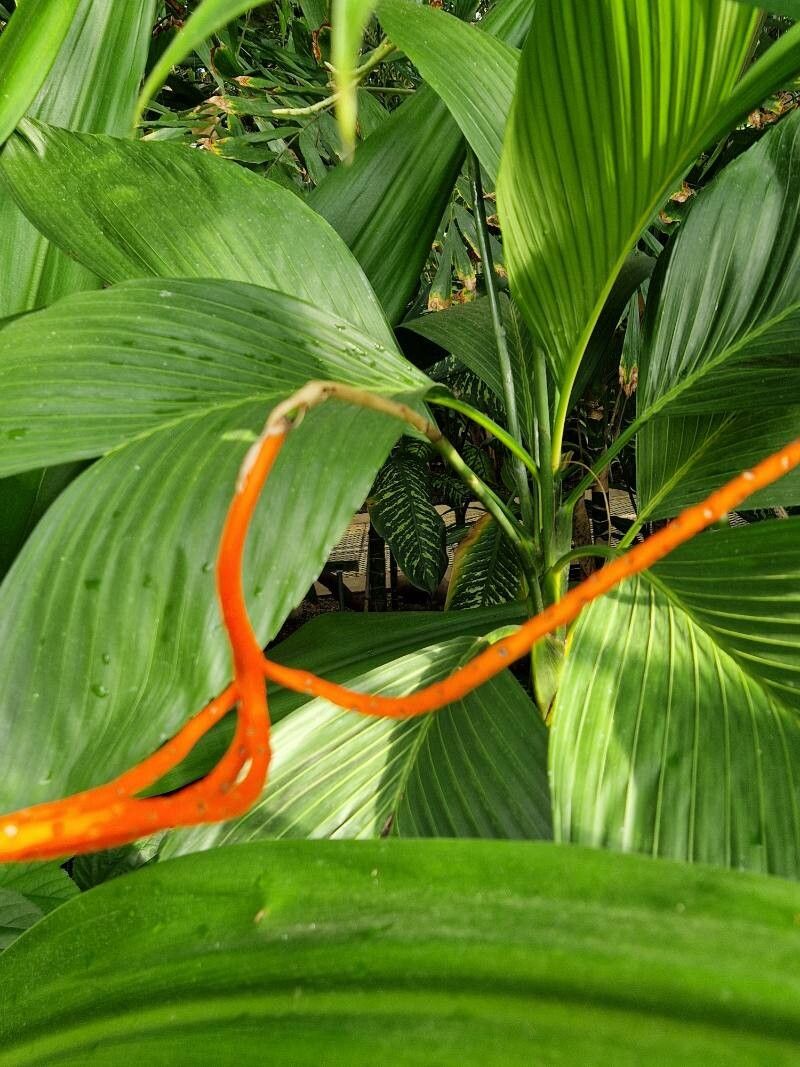
Oh, hello there! Come on in and pull up a chair. I’m so glad you’re interested in Chamaedorea ernesti-augusti. Let me tell you, this palm is a real gem. Its gracefully arching, undivided leaves are like elegant green ribbons, perfect for adding a touch of the tropics to any shady corner, indoors or out. And the joy of coaxing a new plant from an existing one? Well, that’s just plain magic, isn’t it? Now, if you’re new to the plant party, you might be wondering if this palm is a friendly beginner or a bit of a diva. Honestly, C. ernesti-augusti can be a touch more particular than some of the easier palms, but with a little bit of patience and the right approach, you can absolutely achieve success. It’s a wonderfully rewarding journey!
The Best Time to Start
For most of my Palms, and especially for Chamaedorea ernesti-augusti, the spring and early summer are our best friends. This is when the plant is actively growing, buzzing with energy after its winter rest. You’ll find that cuttings taken during this period have the best chance of rooting quickly and healthily. Aim for when you see new fronds unfurling – that’s a sure sign your palm is ready to share its bounty.
Supplies You’ll Need
Before we get our hands dirty, let’s gather our tools. Everything you need for a successful propagation:
- Sharp, clean pruning shears or a knife: This is crucial for clean cuts, which helps prevent disease.
- Propagating medium: I find a well-draining mix works best. Something like a 50/50 blend of perlite and peat moss, or a commercial seed starting mix with added perlite.
- Small pots or trays: Clean ones! Old yogurt cups with drainage holes poked in the bottom work in a pinch.
- Rooting hormone (optional but recommended): A good quality rooting powder or gel will give your cuttings a helpful boost.
- Clear plastic bags or a propagation dome: To create a humid microclimate.
- A watering can or spray bottle: For gentle watering.
- Labels and a marker: So you remember what you’ve propagated and when!
Propagation Methods
While Chamaedorea ernesti-augusti isn’t typically propagated from seed by home growers (it can take a long time!), division is usually the most successful route. This palm often produces offsets, or “pups,” at its base.
Division: The Friendly Approach
- Assess your mature palm: Look for smaller plants growing right alongside the main stem. These are your potential new babies! Make sure they have at least a few leaves of their own.
- Gently remove the palm from its pot: This is best done when the soil is slightly dry, as it makes it easier to separate the root ball.
- Locate the natural separation point: You’re looking for where the pup’s roots meet the mother plant’s roots. Sometimes you can easily tease them apart with your fingers.
- Use your clean shears or knife to make the cut: If they’re tangled, make a clean cut to separate the pup, ensuring it has a good portion of its own roots. Try to get as many roots with the pup as you can.
- Pot up the new pup: Plant your separated pup in its own pot filled with your chosen well-draining potting mix.
- Water gently: Water the newly potted pup thoroughly, then allow excess to drain away.
- Provide humidity: Cover the pot with a clear plastic bag or place it inside a propagation dome. This creates a humid environment, which the new pup will love as it establishes itself. Make sure the leaves don’t touch the inside of the bag.
- Place in bright, indirect light: No direct sun, please! They’re a bit delicate at this stage.
The “Secret Sauce” (Pro Tips)
Here are a few little tricks I’ve learned over the years that can make all the difference:
- Don’t rush the separation: If the pup’s roots are really intertwined, it’s sometimes worth waiting a little longer for them to mature, or to carefully trim some of the main plant’s roots to free up the pup. Patience here prevents stress for both plants.
- Bottom heat is your friend: If you can, place your newly divided pups on a heat mat. A gentle, consistent warmth from below encourages root development faster than anything. It’s like a little greenhouse spa for your new palm!
- The power of a good misting: While we want to avoid waterlogged soil, keeping the air around your new divisions humid is crucial. Regular, light misting of the leaves (if they don’t touch the plastic) and the soil surface helps immensely.
Aftercare & Troubleshooting
Once you see signs of new growth – a tiny new frond peeking out is the most exciting signal! – you know your Chamaedorea ernesti-augusti is establishing itself. This is when you can gradually start to acclimate it to slightly lower humidity by opening up your plastic bag or dome a little each day. Continue to water when the top inch of soil feels dry.
Now, you might encounter a few hiccups. The most common issue is rot, which usually happens if the soil stays too wet. If you see yellowing leaves that quickly turn mushy, or the base of the pup feels soft, it’s often a sign of overwatering. In this case, you might need to repot in drier soil or check your drainage. Sometimes, a cutting just doesn’t take. Don’t get discouraged! It happens to the best of us. The key is to learn from it and try again.
A Encouraging Closing
So there you have it! Propagating Chamaedorea ernesti-augusti is a journey of care, observation, and a little bit of gentle coaxing. Be patient with yourself and your new plant babies. Enjoy watching them unfurl their first tentative fronds in their new homes. Happy growing, and may your propagation endeavors be fruitful!
Resource:
https://identify.plantnet.org/k-world-flora/species/Chamaedorea%20ernesti-augusti%20H.Wendl./data