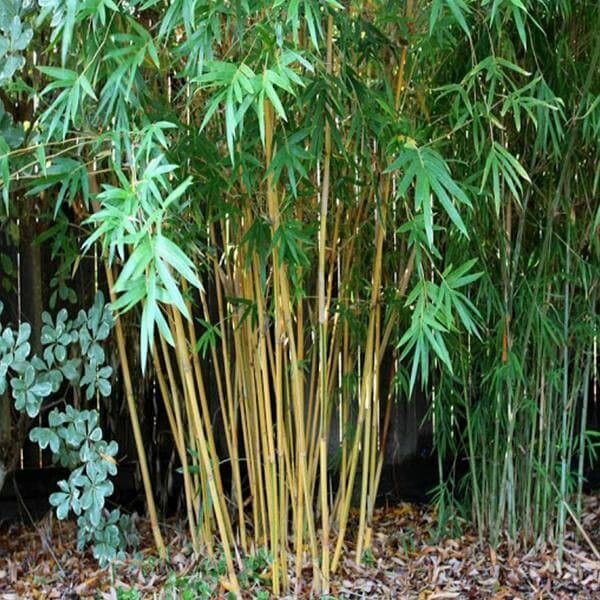
Hello fellow garden enthusiasts! It’s so wonderful to be chatting with you today. I’ve been digging in the dirt for two decades now, and one of the plants that truly captures my heart is Bambusa eutuldoides, or as it’s affectionately known, Vicente Bamboo. Its graceful, arching culms and vibrant green hue can transform any garden into a tranquil oasis. And the best part? Sharing this beauty by propagating it is incredibly rewarding. If you’re new to the gardening game, don’t fret! Propagating this bamboo is quite forgiving, making it a fantastic choice for beginners looking to expand their green collection.
The Best Time to Start
For the highest success rate, I find late spring to early summer to be your golden window. This is when the bamboo is actively growing, full of energy, and ready to put down new roots. You can also have good luck in early autumn, but the spring and early summer months give your new cuttings the best chance to establish themselves before the cooler weather sets in. Look for healthy, vigorous new shoots that are a few months old – they have plenty of stored energy.
Supplies You’ll Need
Assembling your toolkit is half the fun! Here’s what I always have on hand:
- Sharp Pruning Shears or a Machete: Clean cuts are crucial for a healthy start.
- Rooting Hormone (Optional but Recommended): A little boost never hurts!
- Well-Draining Potting Mix: I like a blend of perlite, compost, and coco coir.
- Pots or Containers: Small nursery pots work well, or even plastic cups with drainage holes.
- Spray Bottle: For keeping things consistently moist.
- Plastic Bags or a Clear Lid: To create a humid microclimate.
- Gloves: Bamboo can be a bit prickly.
- Sharp Knife or Saw: Essential for division.
Propagation Methods
Let’s get our hands dirty with the two most reliable ways to multiply your Vicente Bamboo.
Stem Cuttings (The Classic Approach)
This is probably the most common and straightforward method.
- Select Your Culm: Choose a healthy, mature culm (stem) that’s about 1-2 years old. You want one that’s green and firm, not woody or dried out.
- Make Your Cuts: Using your clean shears, cut sections of the culm that have at least two or three nodes. A node is where a branch or leaf grows from. Cut just above a node. You can then cut these longer sections into smaller pieces, ensuring each piece has at least one node.
- Prepare the Cuttings: Remove any leaves from the bottom nodes. You want to expose those areas to encourage root growth. If your leaves are very large, you can cut them in half to reduce water loss.
- Apply Rooting Hormone (Optional): Dip the bottom end of each cutting into rooting hormone, if you’re using it. Tap off any excess.
- Plant Your Cuttings: Fill your small pots with your well-draining mix. Make a small hole with your finger and insert the bottom end of the cutting, burying at least one node. The cutting should stand upright.
- Water and Cover: Gently water the soil so it’s moist but not soggy. Cover the pot with a clear plastic bag or place it under a cloche to maintain high humidity.
Division (The Instant Gratification Method)
If you have a well-established clump of Bambusa eutuldoides, division is a fantastic way to get larger, established plants right away.
- Excavate the Clump: Carefully dig around the base of the bamboo clump. You want to expose as much of the rhizome system as possible. Aim to lift the entire clump or a significant section of it.
- Identify Sections: Look for natural divisions in the rhizome system, where there are shoots or canes with their own root systems.
- Separate the Divisions: Using a sharp knife or a small saw, carefully cut through the rhizomes to separate your desired divisions. Each division should have at least one good cane and a healthy root ball.
- Replant Immediately: Plant these divisions in their new homes, whether that’s in the ground or in larger pots with fresh, well-draining soil. Water them thoroughly.
The “Secret Sauce” (Pro Tips)
Here are a couple of tricks I’ve picked up over the years that often make all the difference:
- Bottom Heat is Your Friend: For stem cuttings, place your pots on a heat mat. This warmth encourages root development from the soil side, making your cuttings much happier. You’ll often see roots forming much faster when there’s consistent bottom heat.
- Don’t Let Leaves Touch the Water: If you happen to be trying water propagation (though I find division and cuttings more reliable for this bamboo), ensure none of the leaves are submerged. Any leaves sitting in the water will quickly rot and can hinder root development.
Aftercare & Troubleshooting
Once your cuttings have started to root (you’ll see new shoots or feel resistance when gently tugging), it’s time for a little tender loving care.
Gradually acclimate your new plants to lower humidity by opening the plastic bag or lid a little each day. Keep the soil consistently moist, but never waterlogged. If you see signs of wilting or yellowing leaves, check your watering. Overwatering is the most common culprit for rot, which will manifest as mushy, black stems at the soil line. If you suspect rot, you might need to start over with new, healthier cuttings. Be patient! It can take several weeks, sometimes even a couple of months, for cuttings to show significant new growth, which is a sure sign that roots have formed.
A Heartfelt Closing
Propagating Bambusa eutuldoides is such a simple joy, a way to share a piece of your garden with friends or simply to fill more of your space with its calming presence. Be patient with the process, observe your cuttings closely, and don’t be discouraged if not every attempt is a resounding success. Gardening is all about learning and growing, after all. Happy propagating, and may your bamboo flourish!
Resource:
https://identify.plantnet.org/k-world-flora/species/Bambusa%20eutuldoides%20McClure/data