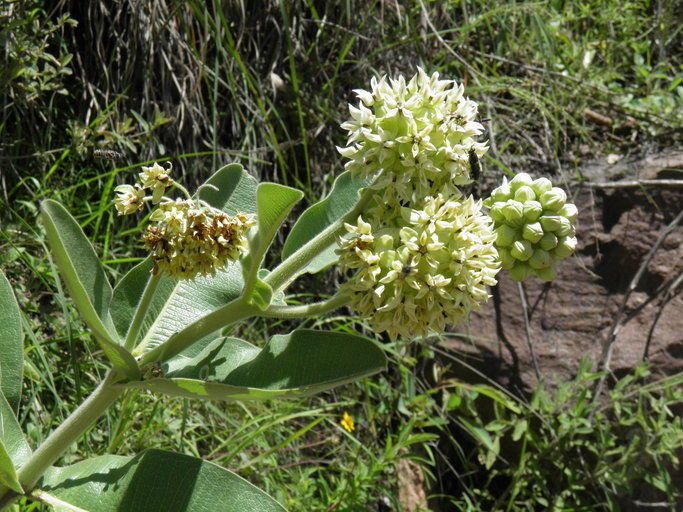
Oh, hello there! Grab a mug of your favorite brew; we’re going to chat about a truly special plant: Asclepias lemmonii, or Lemmon’s milkweed if you prefer. I’ve been growing these beauties for years, and their elegant blooms and the sheer delight of attracting monarch butterflies have never failed to charm me. Getting more of them growing is wonderfully rewarding, and I’m thrilled to share how I do it.
For beginners, I’d say Asclepias lemmonii is moderately easy. It’s not fussy, but it does appreciate a little attention to detail. With these steps, you’ll be well on your way.
The Best Time to Start
My favorite time to propagate Asclepias lemmonii is late spring to early summer. This is when the plant is actively growing, and cuttings are more likely to root. Waiting until after the plant has put on some lush new growth gives you good, healthy material to work with.
Supplies You’ll Need
Here’s what I always have on hand:
- Sharp, clean pruning shears or a knife: For taking cuttings. Sterilize them with rubbing alcohol between uses!
- Well-draining potting mix: A blend of equal parts peat moss, perlite, and coarse sand works beautifully. You can also find commercial seed-starting mixes that are quite good.
- Small pots or trays: Clean containers with drainage holes are essential.
- Rooting hormone (optional but helpful): A powder or gel can give your cuttings an extra boost.
- Plastic bags or a clear propagation dome: To create a humid environment for your cuttings.
- Spray bottle: For misting.
Propagation Methods
I usually go with stem cuttings for Asclepias lemmonii. It’s reliable and gives you a good success rate.
- Take your cuttings: In late spring or early summer, look for healthy, non-flowering stems. Use your sterilized shears or knife to cut a stem about 4-6 inches long. Make the cut just below a leaf node (where a leaf meets the stem).
- Remove lower leaves: Gently pull off the leaves from the bottom half of your cutting. This prevents them from rotting in the soil.
- Apply rooting hormone (if using): Dip the cut end of the stem into your rooting hormone, tapping off any excess.
- Plant your cuttings: Fill your clean pots with the well-draining potting mix. Make a small hole in the center with your finger or a pencil. Gently insert the cut end of the stem into the hole, ensuring the leaf nodes are below the soil surface. Firm the soil gently around the stem.
- Water and cover: Water the soil well until it’s moist but not soggy. Then, cover the pot with a plastic bag or place it under a propagation dome. This creates a mini-greenhouse effect, maintaining humidity.
The “Secret Sauce” (Pro Tips)
Now for a couple of things I’ve learned over the years that make a big difference:
- Rinse off the sap: Milkweeds produce a white, milky sap when cut. It can actually inhibit rooting if it dries on the surface. I always give my cuttings a quick rinse under cool water immediately after taking them. This removes the excess sap and helps them heal.
- Bottom heat is your friend: If you have a propagation mat or can place your potted cuttings on a warm windowsill that gets gentle afternoon sun, this can significantly speed up root development. It mimics the warmth of the soil in summer.
Aftercare & Troubleshooting
Once your cuttings are planted and covered, place them in a bright spot with indirect light. Avoid direct, hot sun, which can scorch the delicate cuttings. Mist the leaves occasionally with your spray bottle to keep them from drying out.
You’ll know your cuttings are rooting when you see new leaf growth or feel a gentle resistance when you tug on the stem. This can take anywhere from 2 to 6 weeks, so be patient!
The most common problem you might encounter is rot. This usually happens if the soil stays too wet or the humidity is too high for too long. If you see leaves turning yellow and mushy, it’s a sign rot might be setting in. In this case, you might need to increase air circulation or let the soil dry out slightly more between waterings. It’s a tough situation, but don’t get discouraged. Sometimes, you just need to try again with fresh cuttings.
A Encouraging Closing
Growing Asclepias lemmonii from cuttings is a beautiful way to expand your garden and support our precious pollinators. Remember, gardening is a journey, and sometimes nature has its own timetable. Be patient, enjoy the process of watching life emerge, and celebrate every little root that develops! Happy growing!
Resource:
https://identify.plantnet.org/k-world-flora/species/Asclepias%20lemmonii%20A.Gray/data