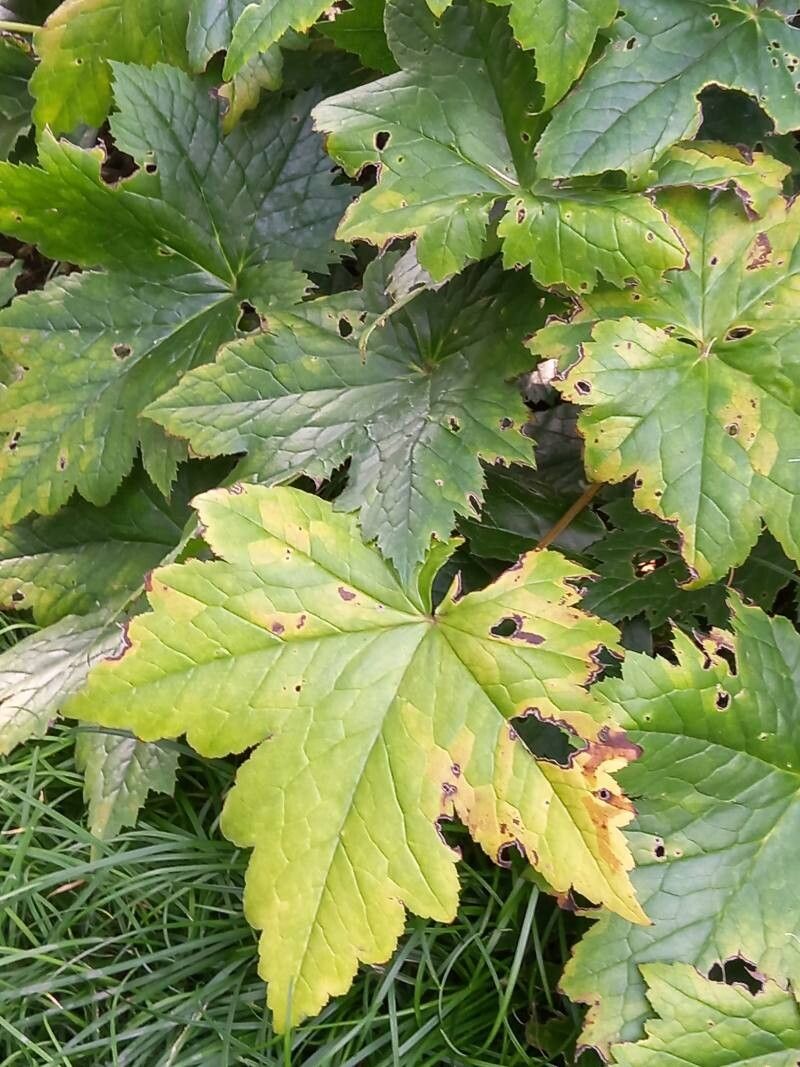
Oh, Actaea biternata! If you’re not familiar with this lovely woodland native, let me tell you, it’s a real charmer. Those delicate, feathery white flower plumes gracing shady spots in late summer and fall? Pure magic. And the best part? They carry this wonderful, subtle fragrance that just hints at autumn’s arrival. Bringing more of these beauties into your garden is such a satisfying endeavor. If you’re a beginner, I wouldn’t say it’s the easiest plant to start with, but it’s certainly doable with a little care and patience. You’ll feel like a pro in no time!
The Best Time to Start
For Actaea biternata, late spring to early summer is absolutely your golden ticket. Think May or June, when the plant is actively growing but before it gets too hot or the flower buds start to form. This is when the stems have plenty of energy to put into forming new roots, and the days are long enough to encourage good growth.
Supplies You’ll Need
Here’s what you’ll want to have on hand:
- Sharp pruning shears or a clean knife: For making those precise cuts.
- Rooting hormone powder (optional but helpful): This really gives your cuttings a boost.
- A well-draining potting mix: I like a blend of equal parts peat moss, perlite, and a touch of compost.
- Small pots or trays: Clean ones are key to preventing disease.
- Watering can or spray bottle: For gentle hydration.
- Plastic bag or a clear dome: To create a humid environment.
- Labels: So you don’t forget what you planted where!
Propagation Methods
Actaea biternata is quite amenable to division, which I find to be the most straightforward method.
Division: For Established Clumps
- Gently excavate: In your chosen timeframe (late spring/early summer is best here too), carefully dig around the base of your established Actaea biternata clump. You want to lift the entire plant out of the soil.
- Loosen the roots: Gently shake off excess soil. You’ll see the plant’s rhizomatous roots. If it’s a large clump, you might even be able to gently pull sections apart by hand. For tougher ones, use your clean knife or trowel to slice through the root ball, ensuring each division has a good portion of roots and at least one healthy stem or shoot.
- Replant immediately: Dip the cut ends in rooting hormone if you’re using it. Then, plant your new divisions directly into prepared garden beds or pots filled with that good-draining mix. Water them in well.
While division is my go-to, I’ve also had success with stem cuttings, though it requires a bit more attention.
Stem Cuttings: For the Dedicated Gardener
- Take your cuttings: Again, aim for late spring or early summer. Look for healthy, non-flowering stems. Using your sharp shears, cut stems about 4-6 inches long. Make the cut just below a leaf node (where a leaf attaches to the stem).
- Prepare the cutting: Remove the lower leaves, leaving just a few at the top. You can then dip the cut end into rooting hormone.
- Pot them up: Fill your small pots with your propagation mix. Make a hole with a pencil or your finger and insert the cutting, ensuring the nodes where you removed leaves are below the soil surface. Gently firm the soil around it.
- Create humidity: Water lightly. Then, cover the pot with a clear plastic bag or a dome. This mini-greenhouse traps moisture, which is crucial for cuttings.
- Find a good spot: Place the pots in bright, indirect light. Avoid direct sun, as it can scorch the tender cuttings.
The “Secret Sauce” (Pro Tips)
Here are a couple of tricks I’ve learned over the years:
- When doing stem cuttings, I find it incredibly beneficial to use bottom heat. A simple heating mat placed under your pots can significantly speed up root development. It mimics the warmth of spring soil and really encourages those roots to get going.
- For both division and cuttings, don’t let them dry out, but don’t drown them either. A consistent, light moisture is best. I often find myself checking pots daily, especially if they are covered, and giving them a very light mist if the soil surface looks dry.
Aftercare & Troubleshooting
Once your divisions are planted or your cuttings start to show signs of life (new leaf growth is a great indicator), continue to provide consistent moisture. For cuttings that have rooted, you can begin to gradually acclimate them to drier air by opening the plastic bag or dome a little each day over a week. Once they seem happy, you can remove the cover entirely.
The most common issue you might encounter is rot, especially with cuttings. If you see a cutting turning mushy and black, it’s usually a sign of too much moisture and not enough air circulation. It’s disheartening, but often just means you need to try again with cleaner supplies or a slightly drier soil mix and better ventilation. Stick with it; even experienced gardeners lose some cuttings!
A Encouraging Closing
Propagating Actaea biternata is a wonderful way to expand your collection and share these delicate beauties with friends. Be patient, and don’t be discouraged by any setbacks. Gardening is a journey, and each little success, no matter how small, feels like a triumph. Happy planting!
Resource: