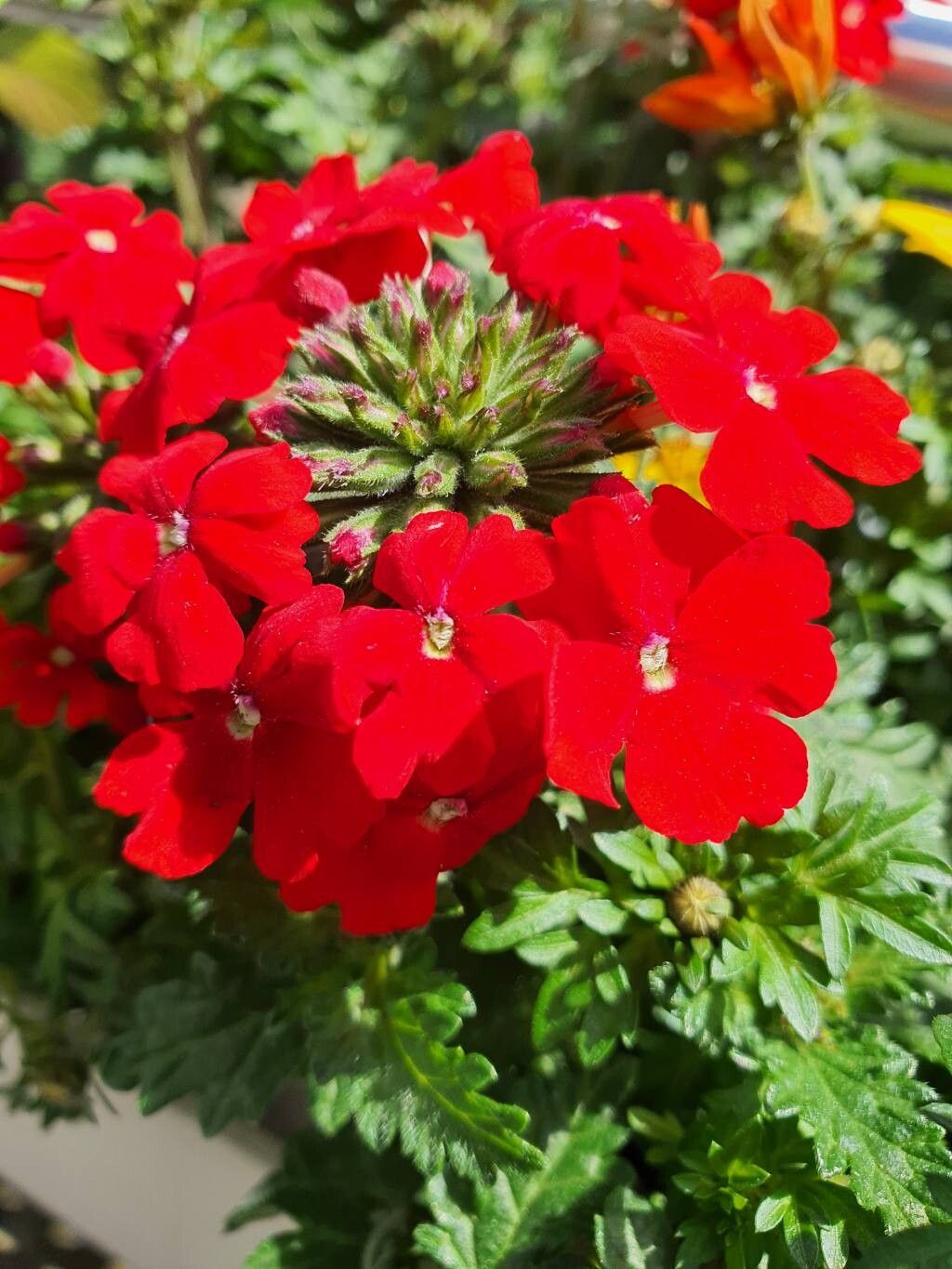
Hello, fellow garden enthusiasts! If you’ve ever fallen in love with the vibrant, cascading blooms of Verbena peruviana, you’re not alone. This delightful plant brings such a joyful burst of color and a lovely, sprawling habit to hanging baskets, containers, and garden beds. And guess what? Propagating it is surprisingly doable, even for those of you who are just starting your gardening journey. It’s a fantastic way to multiply your prettiest specimens and share them with friends.
The Best Time to Start
For the highest success rates, I always recommend starting your Verbena peruviana propagation in late spring or early summer. This is when the plant is actively growing and full of energy. You’ll be taking cuttings from healthy, non-flowering stems, and this vigorous period gives them the best chance to root.
Supplies You’ll Need
Gathering your supplies ahead of time makes the whole process so much smoother. Here’s what I like to have on hand:
- Sharp Pruning Shears or a Craft Knife: For clean cuts.
- Potting Mix: A well-draining mix is crucial. I usually use a blend of equal parts peat moss (or coco coir for a more sustainable option) and perlite or coarse sand.
- Small Pots or Seed Trays: With drainage holes, of course!
- Rooting Hormone (Optional but Recommended): This really gives your cuttings a boost. Look for one specifically for stem cuttings.
- Clear Plastic Bags or a Propagator: To create a humid environment.
- Watering Can or Spray Bottle: For gentle watering.
Propagation Methods
Let’s get our hands dirty! I find stem cuttings to be the most reliable method for Verbena peruviana.
Stem Cuttings
- Take Your Cuttings: With your clean shears or knife, take cuttings from healthy, softwood stems. Aim for pieces that are about 4-6 inches long. Make your cut just below a leaf node (where a leaf attaches to the stem). Remove any flowers or flower buds from the cutting.
- Prepare the Cuttings: Gently remove the lower leaves from the bottom half of the stem, leaving just 2-3 pairs of leaves at the top.
- Apply Rooting Hormone (If Using): Dip the cut end of the stem into your rooting hormone, tapping off any excess.
- Plant Your Cuttings: Fill your small pots with your prepared potting mix. Make a small hole with your finger or a pencil and insert the cut end of the stem. Gently firm the soil around the base. You can usually fit 3-4 cuttings in a 4-inch pot, spaced a couple of inches apart.
- Water Gently: Water the soil thoroughly but gently. You don’t want to dislodge the cuttings.
- Create Humidity: Cover the pots loosely with a clear plastic bag or place them in a propagator. This keeps the humidity levels high, which is essential for the cuttings to root. You can use skewers or sticks to prop up the bag so it doesn’t touch the leaves.
Water Propagation (A Fun Alternative!)
While I prefer soil for Verbena peruviana, you can also try rooting cuttings in water.
- Prepare Cuttings: Follow steps 1 and 2 above.
- Place in Water: Put the prepared cuttings in a jar or glass of water. Make sure no leaves are submerged in the water – this is important to prevent rot.
- Change Water Regularly: Change the water every few days to keep it fresh.
- Watch for Roots: You should start to see tiny roots appearing in a few weeks.
- Transplant: Once the roots are about an inch long, carefully transplant them into pots filled with your well-draining potting mix.
The “Secret Sauce” (Pro Tips)
Here are a couple of things I’ve learned over the years that can really make a difference:
- Don’t Let Leaves Touch the Water (Even in Soil!): When you water your potted cuttings, make sure that if you’re using a tray underneath, the water level doesn’t creep up high enough to touch the leaves resting on the soil. This can invite fungal diseases.
- Bottom Heat is Your Friend: If you have the option, placing your pots on a gentle heat mat can significantly speed up the rooting process. It mimics the warmth of late spring soil and encourages those roots to get going.
Aftercare & Troubleshooting
Once your cuttings have developed a good root system (you can gently tug on them, and they’ll feel like they have some resistance), it’s time to treat them like small plants.
- Gradual Acclimation: Slowly remove the plastic bag or open the propagator vents over a few days to let the young plants get used to drier air.
- Watering: Water when the top inch of soil feels dry. Avoid overwatering, as this is the quickest way to lose your precious cuttings.
- Light: Place your new plants in a bright location, but out of direct, harsh sunlight for the first week or two.
Common Signs of Failure: The most common issue is rot. This often looks like a mushy, blackened stem base. It’s usually caused by too much moisture, poor drainage, or lack of airflow. If you see rot, sadly, that cutting is likely lost. Prevention is key here!
A Encouraging Closing
Propagating Verbena peruviana is a rewarding journey. Be patient with your little green babies. Not every cutting will make it, and that’s perfectly okay. Celebrate the successes, learn from any mishaps, and enjoy the satisfaction of creating more of those beautiful blooms to enjoy in your garden. Happy propagating!
Resource:
https://identify.plantnet.org/k-world-flora/species/Verbena%20peruviana%20(L.)%20Britton/data