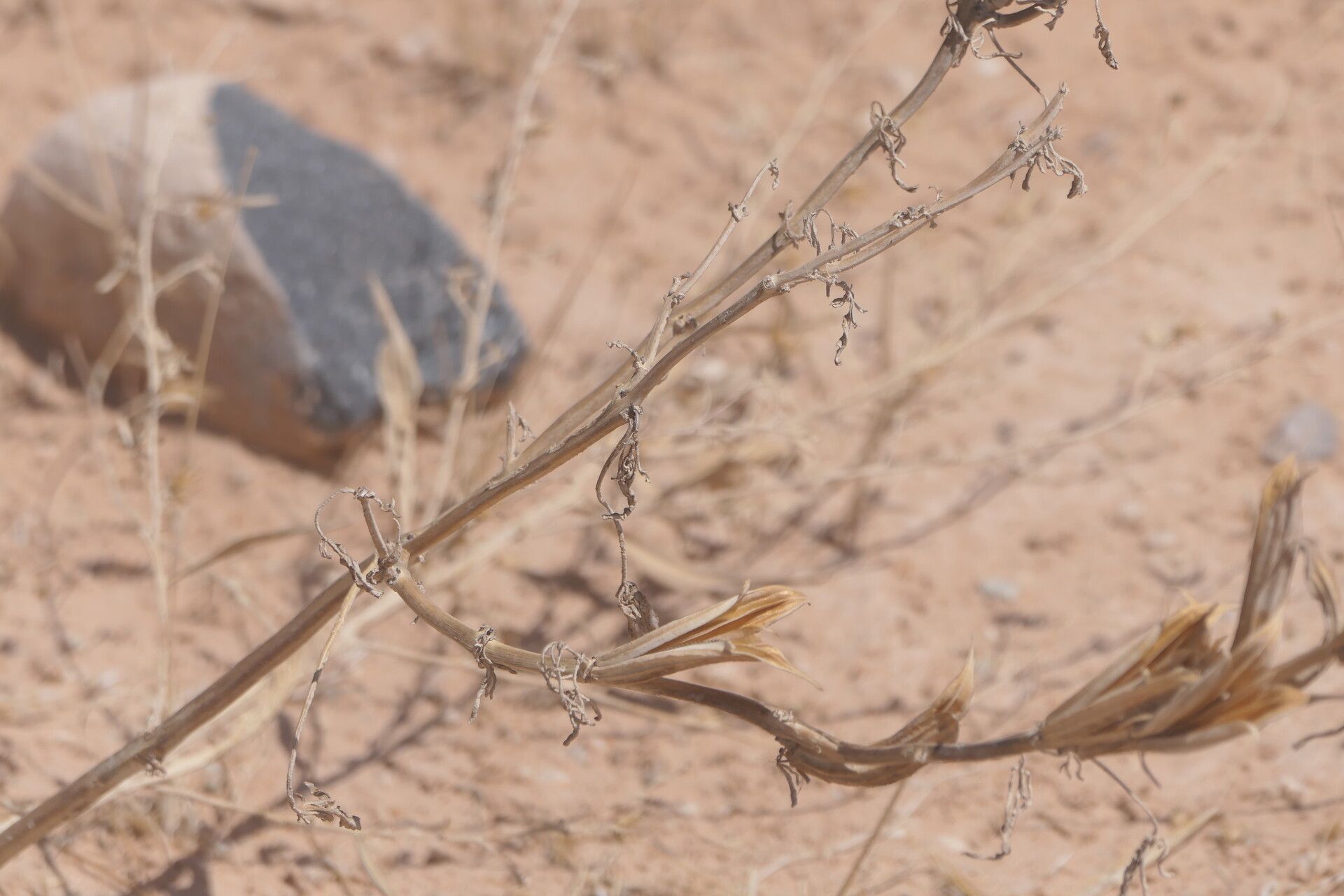
Hello there, fellow garden enthusiasts! Today, I want to chat about a plant that’s captured my heart over the years: Sesamum triphyllum. You might know it by its common name, the three-leaf sesame. It’s a fantastic addition to any garden, offering delicate beauty and, of course, the promise of those wonderful sesame seeds. Propagating it yourself is not only cost-effective but incredibly rewarding. You get to watch life spring from something you nurtured. While it’s not the easiest plant for a first-time propagator, with a little patience and these tips, you’ll be well on your way.
The Best Time to Start
For Sesamum triphyllum, the sweet spot for propagation is typically late spring to early summer. This is when the plant is in its active growing phase, and the days are longer and warmer. New growth is vigorous and has a better chance of establishing roots quickly. You’re looking for stems that are semi-hardwood – not completely soft and green, but not woody either. Think of them as firm but still a bit flexible.
Supplies You’ll Need
Here’s a handy list of what you’ll want to have on hand:
- Sharp pruning shears or a clean, sharp knife: For making clean cuts.
- Well-draining potting mix: A mix of equal parts coco coir, perlite, and a bit of compost works beautifully.
- Small pots or seed trays: With drainage holes! This is non-negotiable.
- Rooting hormone (optional, but recommended): A powder or gel can significantly boost your success rate.
- Small plant labels or markers: To keep track of your efforts.
- A clear plastic bag or humidity dome: To create a mini-greenhouse effect.
- Watering can with a fine rose attachment: For gentle watering.
Propagation Methods
Let’s dive into the methods that have worked wonderfully for me with Sesamum triphyllum.
Stem Cuttings
This is my go-to method for this plant. It’s reliable and gives you plenty of opportunities to try.
- Take your cuttings: Using your clean shears, select healthy looking stems from a mature plant. Make cuttings about 4-6 inches long. Try to get a few sets of leaves on each cutting.
- Prepare the cuttings: Remove the lower leaves from the bottom half of each cutting. This prevents them from rotting when they’re in the soil. If you’re using rooting hormone, dip the cut end into it, tapping off any excess.
- Plant the cuttings: Fill your small pots with the well-draining potting mix. Make a hole in the center of the mix with your finger or a pencil. Gently insert the cutting into the hole, ensuring the nodes where leaves were removed are below the soil surface.
- Water gently: Water the soil thoroughly, but avoid waterlogging. The soil should be moist, not soggy.
- Create humidity: Cover the pot with a clear plastic bag or place it under a humidity dome. You can prop the bag up with a stick or two so it doesn’t touch the leaves. Place the pots in a bright location but out of direct sunlight, as this can scorch the young cuttings.
Water Propagation
Sometimes, a simpler approach is all you need.
- Take cuttings: Similar to the stem cutting method, take 4-6 inch cuttings from healthy stems.
- Prepare for water: Remove all leaves from the bottom half of the cutting. You want to ensure no foliage is submerged in the water.
- Place in water: Put the cuttings into a clean jar or glass filled with fresh water.
- Monitor and change water: Place the jar in a bright spot, away from direct sun. Change the water every 2-3 days to keep it fresh and prevent bacterial growth.
- Wait for roots: You should start to see tiny white roots developing from the nodes within a few weeks. Once the roots are about an inch long, they are ready to be transplanted into soil.
The “Secret Sauce” (Pro Tips)
After years of getting my hands dirty, I’ve learned a thing or two that can make a real difference:
- Bottom heat is your friend: If you have a heat mat, using it under your pots of cuttings can dramatically speed up root development. Sesamum triphyllum loves warmth!
- Don’t obsess over perfection: Just because a leaf looks a little old or has a tiny imperfection, don’t discard the whole cutting. As long as the stem is healthy and there’s good leaf coverage at the top, it has a chance.
- Mist gently, frequently: Instead of a heavy watering, a light misting of the leaves inside your humidity dome can provide just the right amount of moisture without risking rot. Especially important in the first few weeks before roots are established.
Aftercare & Troubleshooting
Once you see signs of new growth or roots peeking from the drainage holes, it’s time for a little adjustment.
- Gradually acclimate: Your new propagations will have been living in a humid environment. Slowly start to introduce them to drier air by opening your humidity dome or plastic bag for increasing periods each day over a week.
- Continue bright, indirect light: Keep them in that happy medium – not scorching sun, but plenty of light.
- Water when the top inch of soil is dry: Still be mindful not to overwater. The goal is consistently moist, not waterlogged.
The most common issue you might face is rot. This usually happens from overwatering or poor drainage. If you see mushy stems or leaves turning yellow and dropping off rapidly, it’s a sign that conditions are too wet. If you catch it early, you might be able to salvage a cutting by taking a fresh, healthy piece and starting again, ensuring better drainage this time.
Happy Propagating!
Starting new plants is always an adventure. Be patient with your Sesamum triphyllum cuttings. Some will take off immediately, while others might need a little more time to show their progress. Enjoy the process, learn from each attempt, and soon you’ll have a whole new family of these beautiful plants to admire and share. Happy gardening!
Resource:
https://identify.plantnet.org/k-world-flora/species/Sesamum%20triphyllum%20Welw.%20ex%20Asch./data